Moisture vapor permeability is an important property of PVA film. This characteristic determines protective performance and product durability. Understanding the mechanism helps optimize practical applications.
WHAT IS THE MOISTURE VAPOR PERMEABILITY OF PVA FILM?
Moisture vapor permeability refers to the amount of water vapor that passes through a material. For PVA film, this property depends on the polymer structure. Its high polarity makes the material highly interactive with water.
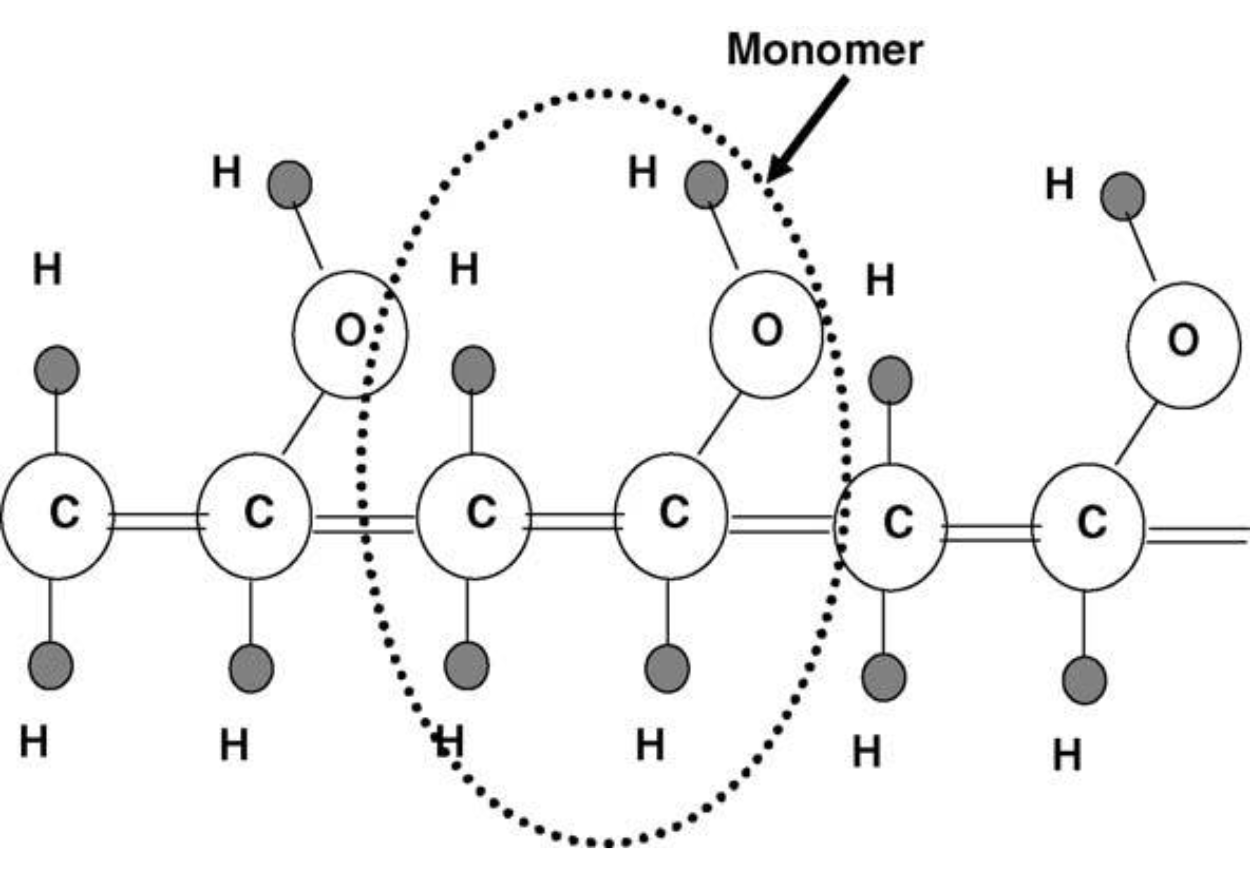
PVA film contains many hydroxyl groups along the polymer chain. These groups form hydrogen bonds with water molecules. Therefore, its moisture permeability is generally higher than that of hydrophobic plastics.
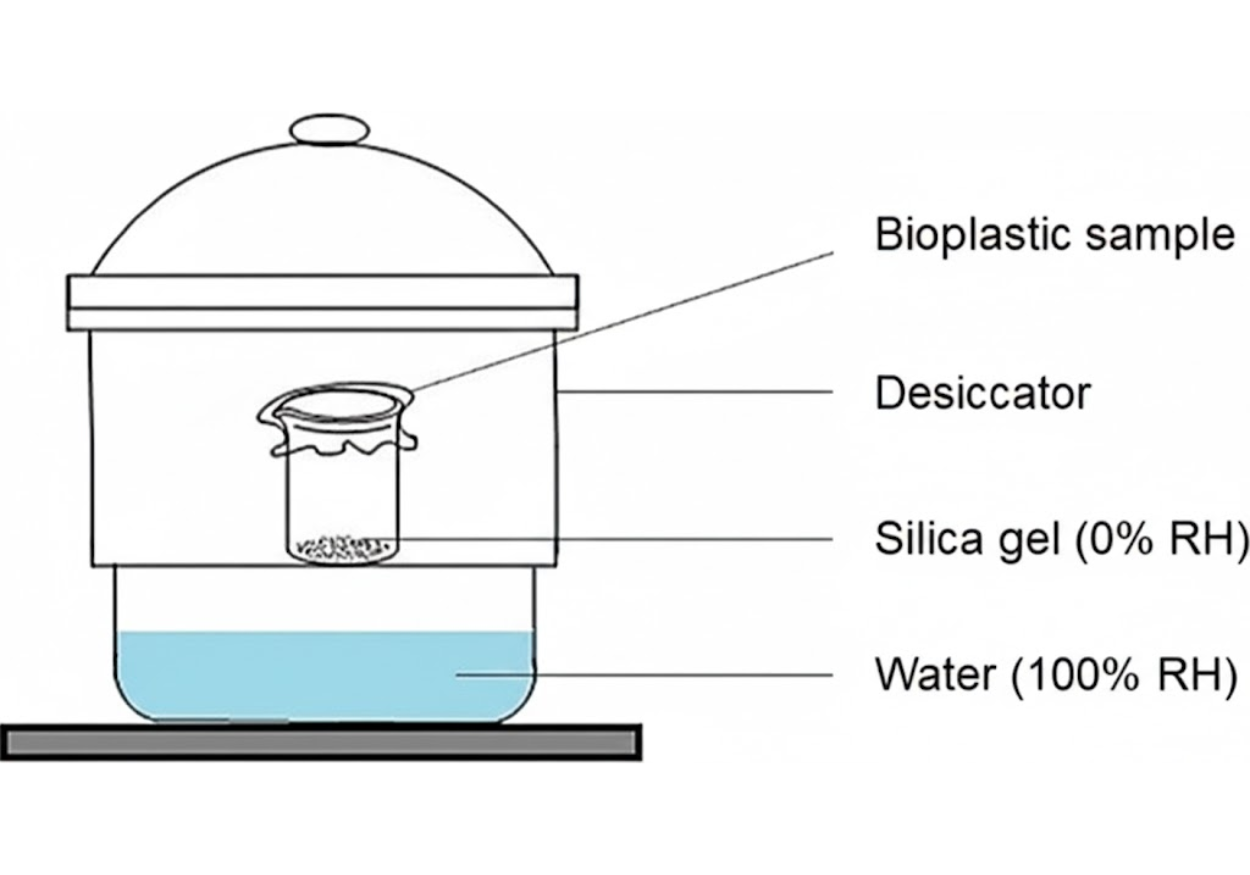
Moisture permeability is measured using standard test methods. Results are typically expressed in g/m²·day. The lower the value, the better the moisture barrier performance.
MECHANISM OF MOISTURE PERMEATION IN PVA FILM
Water vapor diffuses through the film via a solution–diffusion mechanism. First, water dissolves into the material surface. Then, the molecules migrate through the polymer network.
Amorphous regions facilitate vapor transmission. Highly crystalline regions restrict molecular movement. Therefore, crystallinity directly affects moisture permeability.
Film thickness also determines the transmission rate. A thicker film creates a longer diffusion path. This reduces the moisture permeation rate.
FACTORS AFFECTING MOISTURE VAPOR PERMEABILITY
Crystallinity of PVA
PVA can exist in a semi-crystalline form. Higher crystallinity reduces free volume within the structure. This significantly lowers moisture permeability.
Processing conditions influence crystallinity. Rapid cooling typically forms more amorphous structures. Slow cooling increases crystalline regions.
Controlling microstructure helps adjust moisture barrier properties. This is essential in packaging film production. Structural optimization improves preservation performance.
Environmental Humidity
Ambient humidity strongly affects film properties. In high-humidity environments, the film absorbs more water. This increases moisture permeability.
Absorbed water acts as a natural plasticizer. The polymer chains become more flexible. As a result, vapor diffuses more easily.
In dry conditions, the film maintains a tighter structure. Moisture transmission decreases significantly. This is important for food packaging applications.
Film Thickness and Structure
Thickness directly influences moisture transmission rate. Thicker films provide greater resistance to water molecules. Therefore, permeability decreases as thickness increases.
Multilayer structures enhance barrier performance. PVA can be combined with hydrophobic layers. This combination provides optimal protection.
Surface coating technology also reduces vapor transmission. Moisture-resistant coatings limit direct water contact. This improves material durability.
Refer to the official PVA and VAE adhesive additives from SINOPEC distributed by Vichem.


APPLICATIONS RELATED TO MOISTURE PERMEABILITY
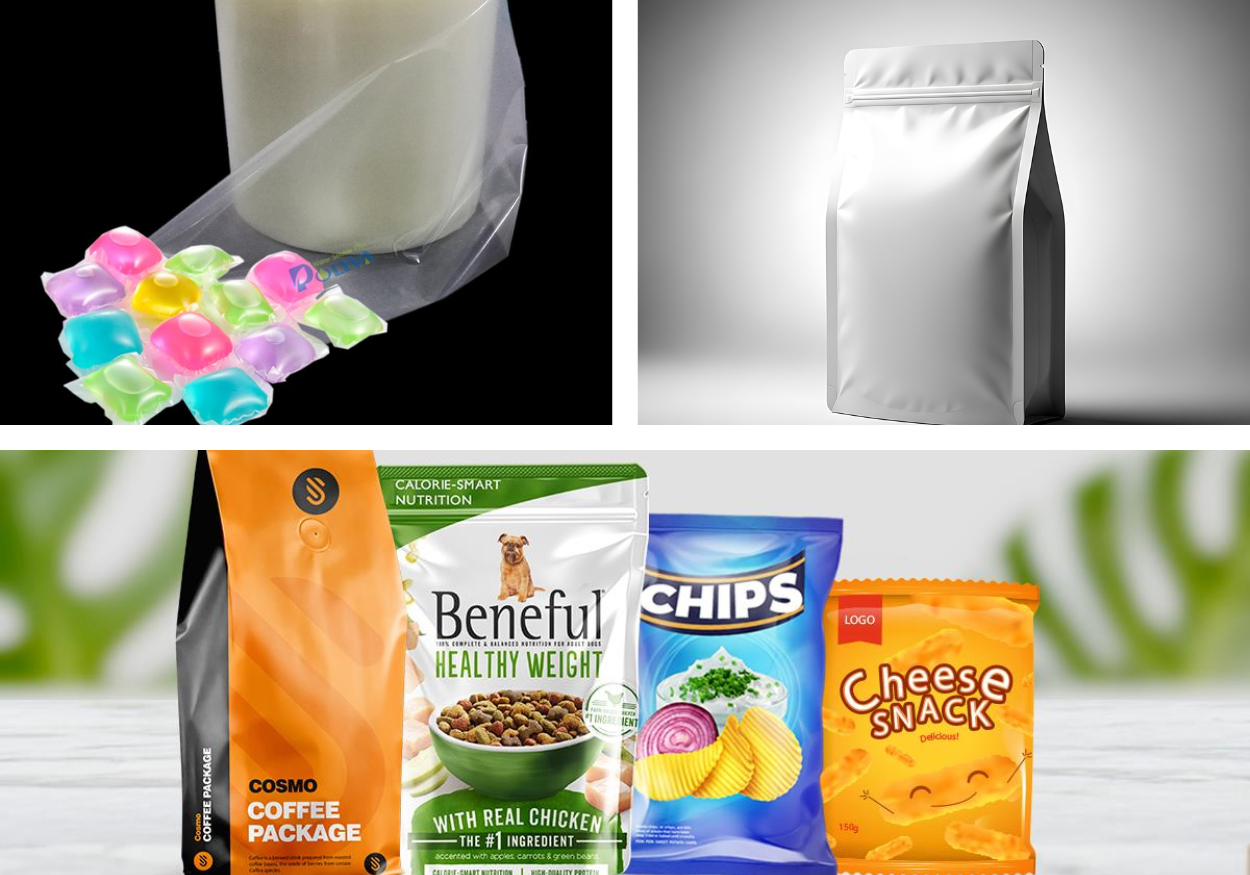
In packaging, moisture barrier performance determines shelf life. Food products are sensitive to humidity. Controlling moisture permeability helps maintain quality.
PVA film is also used in textile and medical applications. Moisture permeability can be advantageous in certain uses. For example, materials that require vapor exchange.
In agriculture, PVA film is used for water-soluble packaging. Its water permeability supports dissolution and biodegradation. This aligns with environmentally friendly material trends.
METHODS TO REDUCE MOISTURE PERMEABILITY
Polymer Blending and Modification
PVA can be blended with hydrophobic polymers. This reduces overall polarity. As a result, moisture permeability decreases.
Chemical modification reduces the number of free hydroxyl groups. Lower hydrogen bonding capacity reduces water absorption. This enhances barrier performance.
Crosslinking additives are also effective. Crosslinking creates a stronger polymer network. A denser structure limits vapor diffusion.
Multilayer Film Design
Multilayer films optimize both mechanical and barrier properties. The PVA layer provides solubility or adhesion. The outer hydrophobic layer serves as a moisture barrier.
Multilayer extrusion technology is widely applied. This method forms a stable bonded structure. Moisture permeability can therefore be better controlled.
Thin protective coatings also provide effective results. Moisture-resistant coatings protect the polymer surface. This solution is suitable for high-end packaging.
CONCLUSION
Moisture vapor permeability of PVA film is a critical factor. It depends on structure and environmental conditions. Understanding the mechanism enables effective control.
Optimizing crystallinity and thickness significantly improves barrier performance. Polymer blending and multilayer design are common approaches. These solutions enhance moisture resistance.
In many industries, moisture control is mandatory. PVA film can be tailored to meet specific requirements. This provides a foundation for sustainable and efficient applications.
VICHEM – OFFICIAL DISTRIBUTOR OF SINOPEC PVA AND VAE ADHESIVE ADDITIVES IN VIETNAM
Vichem is the official distributor of SINOPEC PVA and VAE adhesive additives in the Vietnamese market. We not only supply high-quality products but also provide after-sales services that meet international standards.
- Technical consulting: Support customers in selecting products suitable for their application.
- Color-matching tests: Vichem specialists perform matching tests to ensure results meet design standards.
- On-site application support: Assist customers during integration into production lines to ensure optimal performance.
For more information, please contact us:
📞 Hotline: 08 1790 1790
📧 Email: contact@vichem.vn
🔎 LinkedIn: Vichem JSC
🌐 Website: www.vichem.vn
📌 Facebook: Vichem JSC