Solvent classification is an important step in chemical and coating manufacturing. Understanding the characteristics of each group helps optimize performance. Selecting the right solvent also ensures safety and cost control.
CLASSIFICATION OF SOLVENTS BY ORIGIN
Solvents can be classified by origin based on their initial composition. This group includes organic and inorganic solvents. Each type has different solubility and evaporation properties.
Organic solvents are widely used in coatings and printing inks. They effectively dissolve resins and polymers. Common examples include toluene, xylene, and acetone.
Inorganic solvents are typically water or ammonia. They are generally less toxic than organic solvents. However, their ability to dissolve organic substances is limited.
CLASSIFICATION OF SOLVENTS BY POLARITY
Classifying solvents by polarity helps predict solubility behavior. Solvents are divided into polar and non-polar types. This distinction directly affects compatibility.
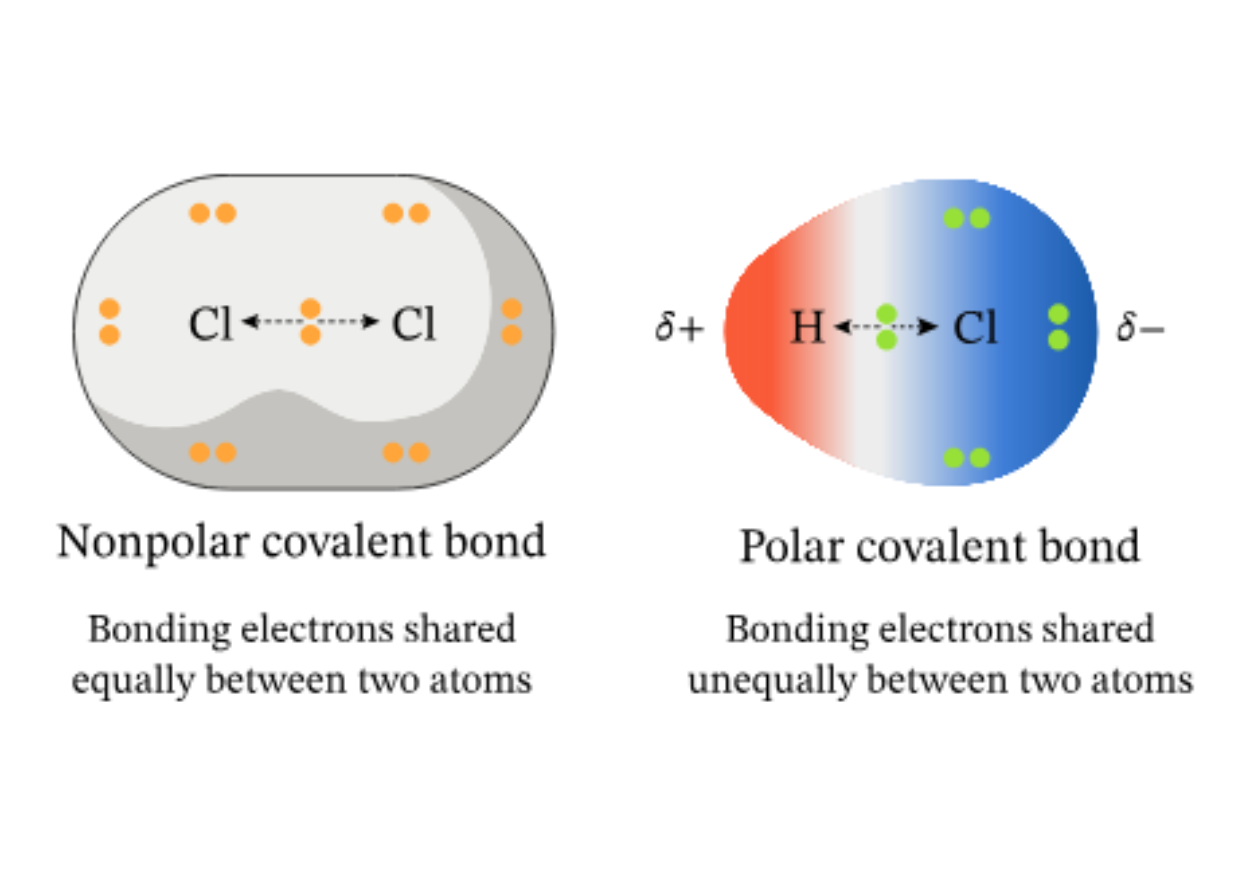
Polar solvents dissolve ionic or polar compounds effectively. Water, ethanol, and methanol belong to this group. They are commonly used in pharmaceuticals and food processing.
Non-polar solvents are suitable for oils and hydrocarbons. Hexane and toluene are typical examples. This group is widely used in industrial coatings.
CLASSIFICATION OF SOLVENTS BY EVAPORATION RATE
Evaporation rate affects coating drying time. Solvents are classified as fast, medium, or slow evaporating. Each category serves different technical purposes.
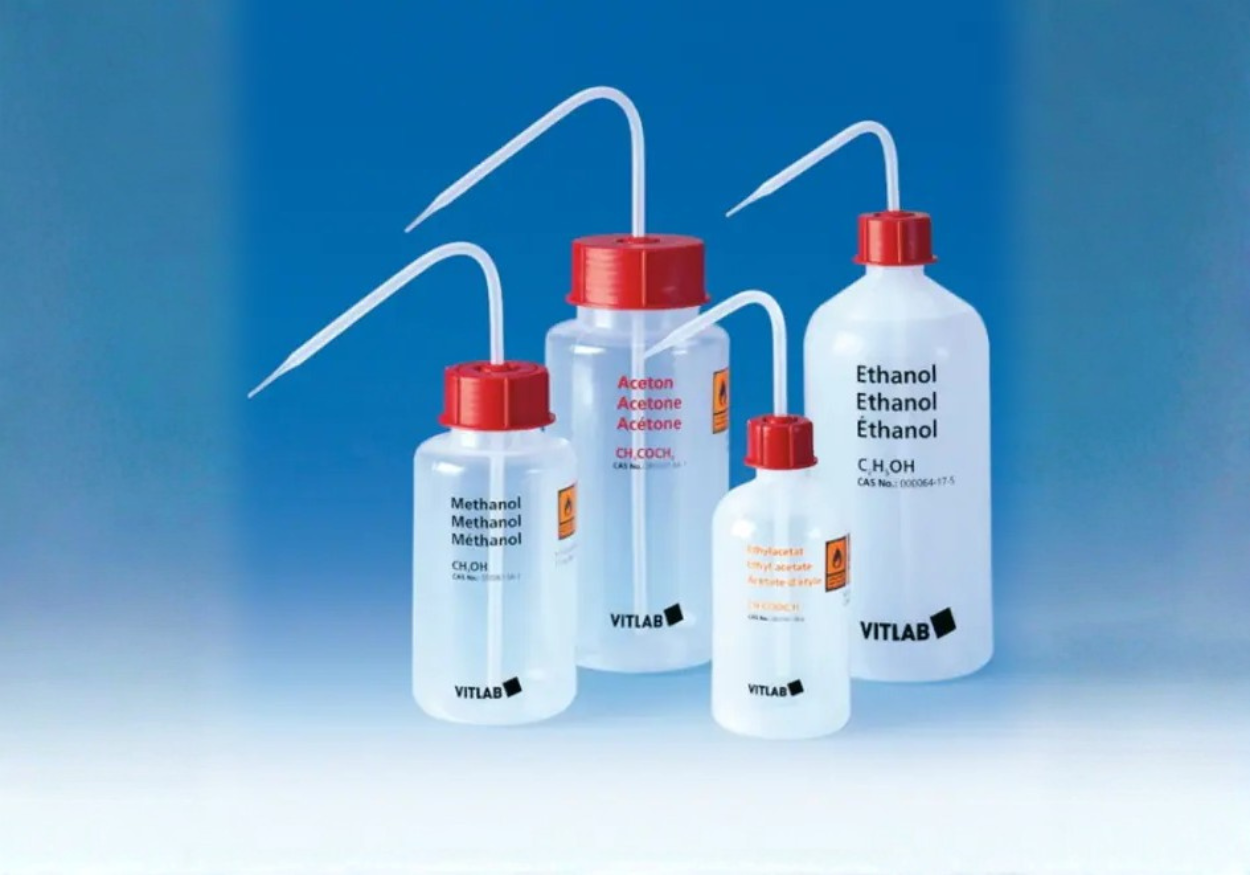
Fast-evaporating solvents shorten drying time. Acetone is a representative example. However, improper control may cause surface defects.
Slow-evaporating solvents improve leveling properties. Butyl acetate is often used in high-grade coatings. Medium-rate solvents balance speed and performance.
CLASSIFICATION OF SOLVENTS BY CHEMICAL STRUCTURE
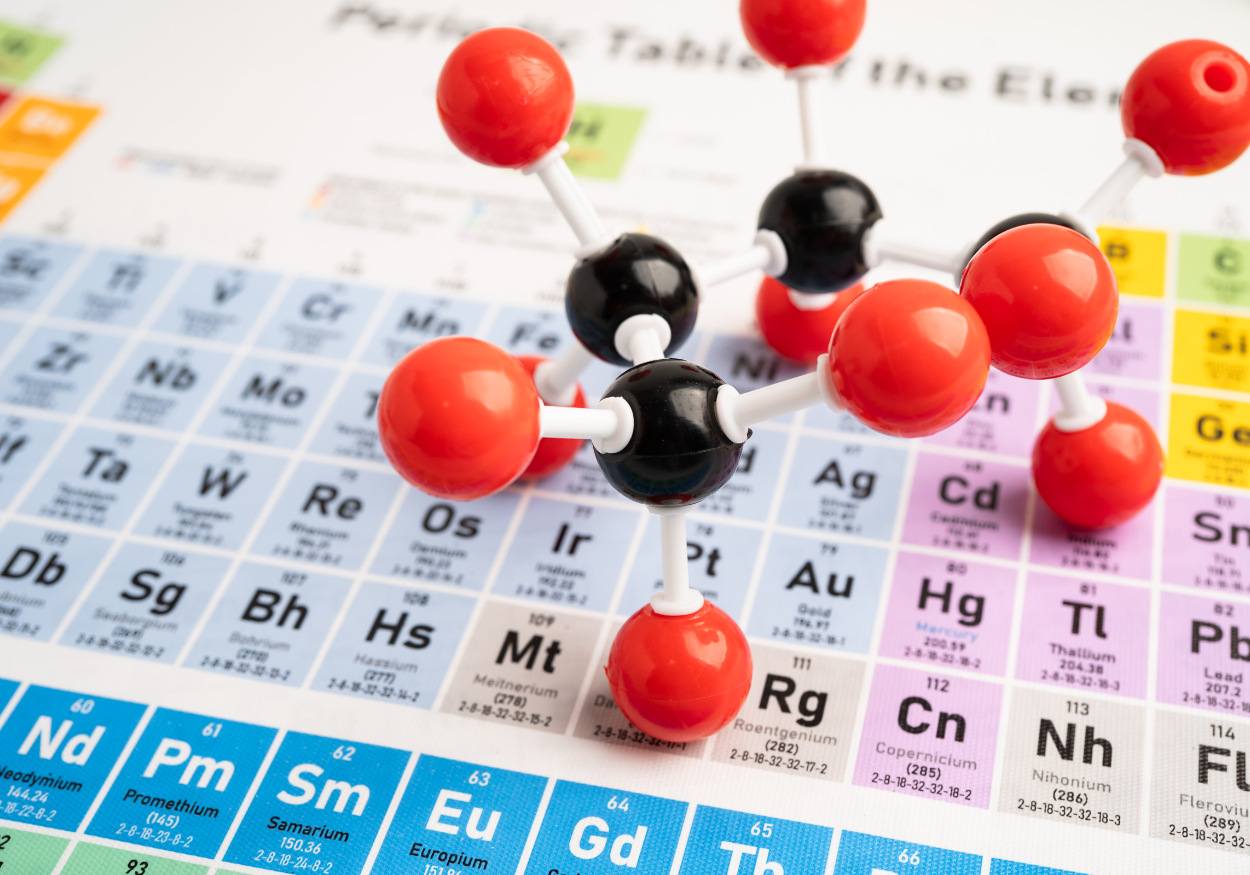
Solvents can also be classified by molecular structure. Common groups include hydrocarbons, esters, alcohols, and ketones. Structure determines solubility power and odor.
Hydrocarbon solvents such as xylene dissolve resins effectively. They are often used in alkyd coatings and rubber applications. VOC emissions must be controlled.
Ester and ketone solvents offer strong solvency. Ethyl acetate and MEK are familiar examples. They enhance drying and gloss performance.
APPLICATIONS OF SOLVENT GROUPS
In coatings, solvent classification helps select suitable systems. Solvents influence viscosity and drying time. These factors determine surface quality.
In printing inks, solvents control adhesion and drying behavior. Compatibility with ink resins is essential. Proper classification prevents technical defects.
In chemicals and pharmaceuticals, solvents act as reaction media. Purity and safety are critical requirements. Each application has specific standards.
FACTORS AFFECTING SOLVENT SELECTION
Solubility is the most important selection criterion. The solvent must be compatible with resins and additives. Incorrect selection may cause separation or precipitation.
Safety and toxicity must be carefully evaluated. Some solvents present fire and explosion risks. Compliance with chemical safety regulations is essential.
Cost and supply availability also influence decisions. Imported solvents are often more expensive. Proper classification helps optimize production budgets.
TREND TOWARD ENVIRONMENTALLY FRIENDLY SOLVENTS
The industry is moving toward bio-based solvents. These are derived from renewable sources and produce lower emissions. Classification of green solvents is gaining attention.
Water-based solvents are increasingly used in coatings. They significantly reduce VOC emissions. This aligns with international environmental standards.
Replacing traditional solvents requires thorough testing. Performance and durability must be maintained. Balancing environmental and technical factors is the main goal.
CONCLUSION
Solvent classification helps businesses choose the right option for each application. Understanding origin and properties improves performance control. This is a key factor in modern manufacturing.
Polarity, evaporation rate, and structure all influence results. Each solvent group has its own advantages and limitations. Proper selection optimizes both cost and quality.
Future trends focus on safer and more sustainable solvents. Companies must continuously update their knowledge. Therefore, solvent classification plays an increasingly essential role.
VICHEM – OFFICIAL DISTRIBUTOR OF CHEMICAL ADDITIVES FROM LEADING BRANDS SUCH AS COVESTRO, SINOPEC, AND BUHLER IN VIETNAM
Vichem is the official distributor of chemical additives from leading brands such as Covestro, Sinopec, and Buhler in the Vietnamese market. We not only supply high-quality products but also provide after-sales services that meet international standards.
- Technical consulting: Support customers in selecting products suitable for their application.
- Color-matching tests: Vichem specialists perform matching tests to ensure results meet design standards.
- On-site application support: Assist customers during integration into production lines to ensure optimal performance.
For more information, please contact us:
📞 Hotline: 08 1790 1790
📧 Email: contact@vichem.vn
🔎 LinkedIn: Vichem JSC
🌐 Website: www.vichem.vn
📌 Facebook: Vichem JSC