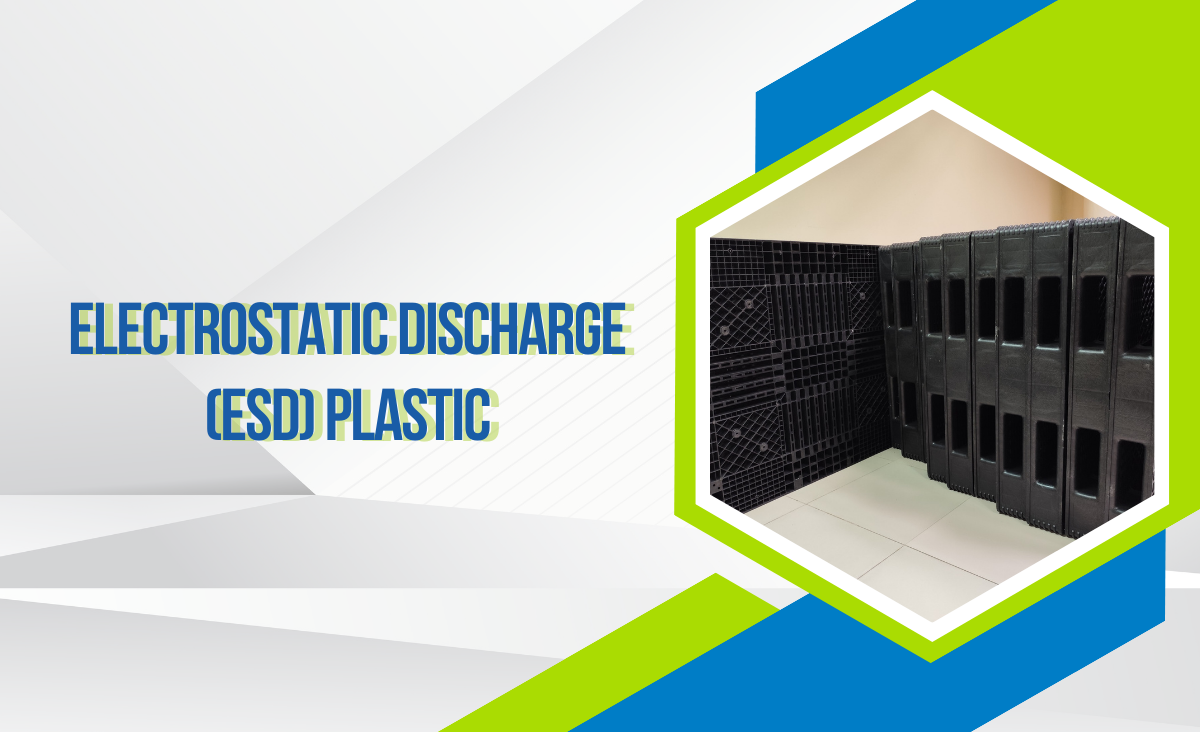
Anti-static plastic is an important material in the modern electronics industry. It helps control unwanted electrostatic discharge. The use of ESD plastic is increasingly common in industrial manufacturing.
WHAT IS ESD ANTI-STATIC PLASTIC?
Anti-static plastic is a type of polymer designed to limit the buildup of static charges. This material reduces the risk of sudden electrostatic discharge. It is essential in electrostatic-sensitive environments.
ESD stands for Electrostatic Discharge. This phenomenon occurs when accumulated charges are released rapidly. Such discharge can damage sensitive electronic components.
ESD plastic is engineered to control charge flow. The material has surface resistivity within a safe range. As a result, charges dissipate gradually and in a controlled manner.
WORKING MECHANISM
Anti-static plastic works by dissipating electrical charges. Charges do not remain trapped on the material surface. Instead, they are transferred in a controlled way.
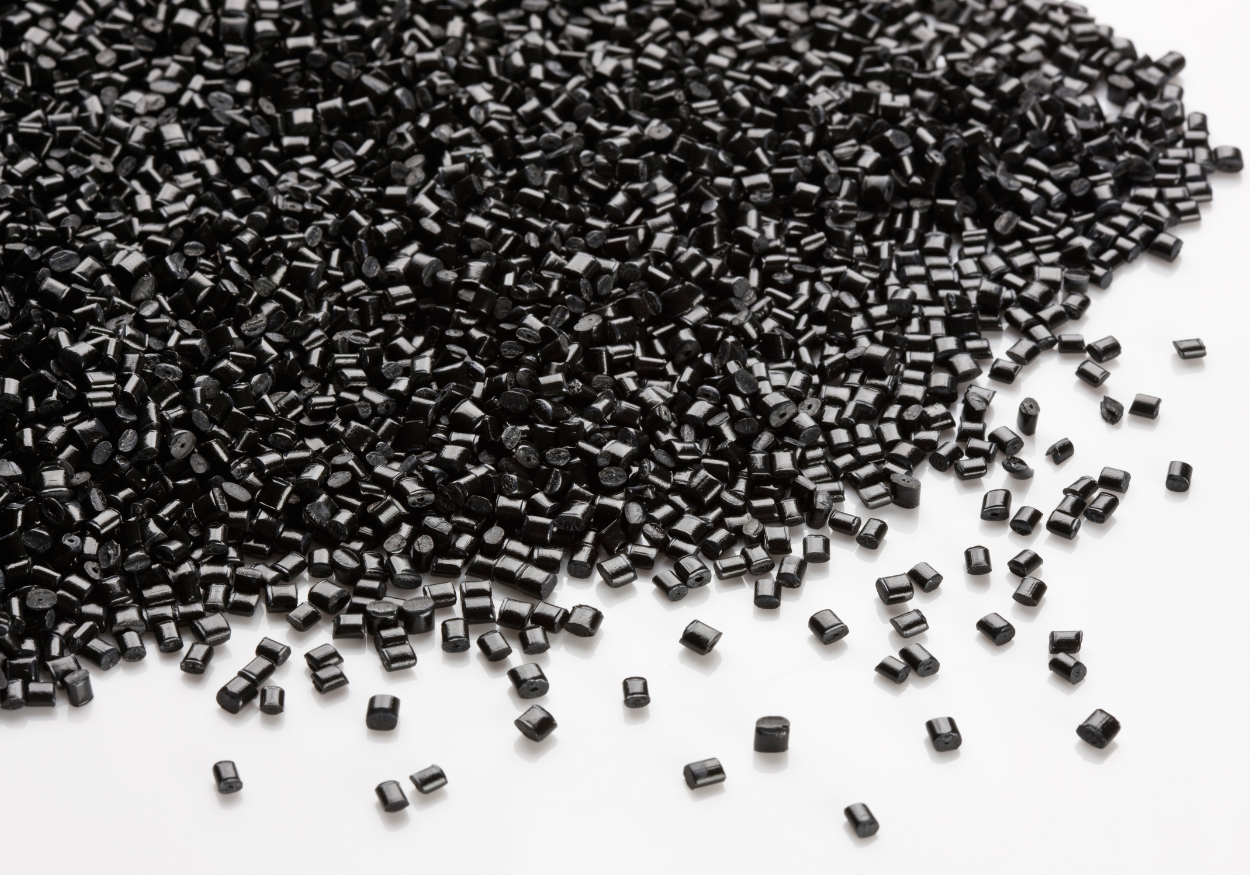
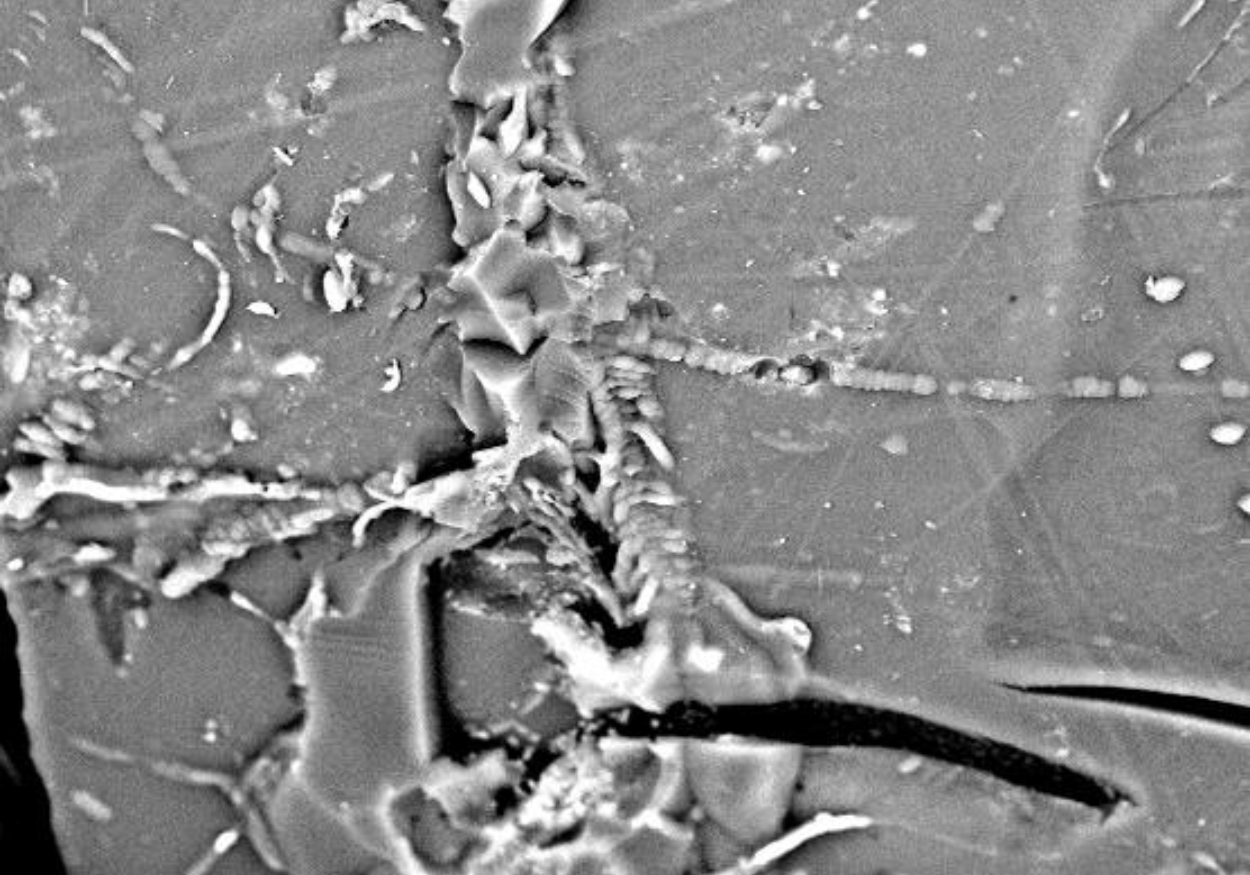
This mechanism is achieved using conductive or dissipative additives. These additives are evenly distributed throughout the polymer matrix. They create a microscopic conductive network.
Some systems use carbon fiber or carbon black. Others apply ionic additives or conductive polymers. Each technology provides a different level of ESD protection.
CLASSIFICATION
Surface Anti-Static Plastic
This type is treated with surface additives or coatings. The coating reduces static buildup on the surface. However, its effectiveness may decrease over time.
Surface anti-static plastics are generally lower in cost. They are suitable for short-term or less demanding applications. Performance may depend on environmental conditions.
Humidity and friction can affect effectiveness. As the coating wears off, the anti-static property may decline. Periodic maintenance or replacement may be required.
Bulk (Permanent) Anti-Static Plastic
This type incorporates additives throughout the entire material structure. ESD performance remains stable over time. It does not rely on external coatings.
Bulk anti-static plastic offers good mechanical strength. It is suitable for professional manufacturing environments. The cost is usually higher than surface-treated types.
This material is commonly used for component trays and device housings. Its high reliability ensures effective protection. It is widely chosen in electronics factories.
APPLICATIONS OF ANTI-STATIC PLASTIC
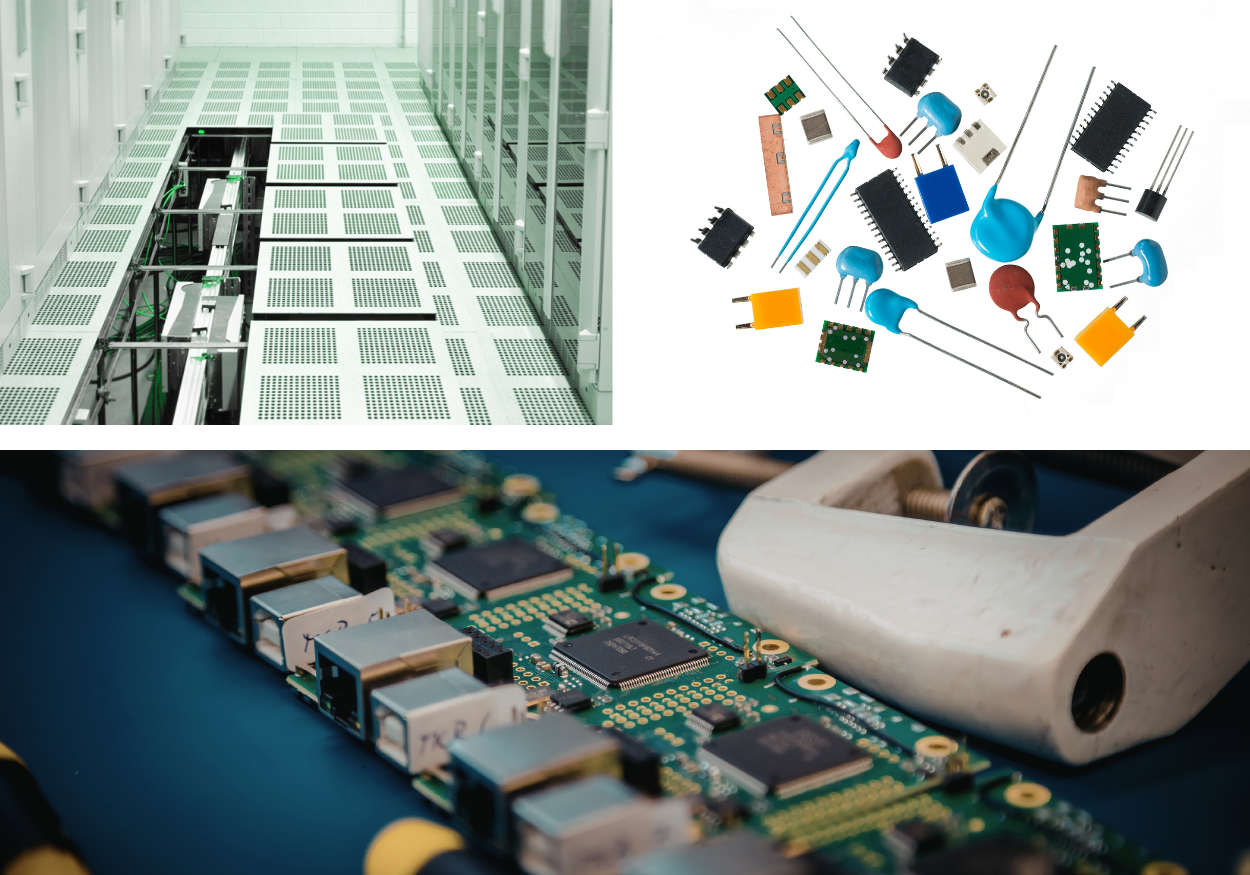
Anti-static plastic is widely used in the electronics industry. Chip trays and circuit board carriers are often made from this material. It helps prevent damage caused by electrostatic discharge.
In cleanroom manufacturing, ESD materials are essential. Flooring and partitions must control static charges. ESD plastic helps maintain a safe working environment.
The automotive industry also uses ESD materials. Certain plastic components require static control. This protects integrated electronic systems.
- Technical consulting: Support customers in selecting products suitable for their application.
- Color-matching tests: Vichem specialists perform matching tests to ensure results meet design standards.
- On-site application support: Assist customers during integration into production lines to ensure optimal performance.
For more information, please contact us:
📞 Hotline: 08 1790 1790
📧 Email: contact@vichem.vn
🔎 LinkedIn: Vichem JSC
🌐 Website: www.vichem.vn
📌 Facebook: Vichem JSC