The tensile strength of PVA is a key technical parameter in polymer material evaluation. This property reflects the ability of the material to withstand tensile force before fracture. Understanding tensile strength helps optimize the selection and application of PVA.
WHAT IS PVA?
PVA is the abbreviation for Polyvinyl Alcohol. It is a synthetic, water-soluble polymer. This material is widely used across many industries.
PVA has a linear polymer structure containing numerous hydroxyl groups. These groups form strong hydrogen bonds. This structure directly affects its mechanical properties.
Due to its environmentally friendly characteristics, PVA is widely favored. It is biodegradable under suitable conditions. As a result, its applications continue to expand.
Refer to SINOPEC PVA and VAE adhesive additives officially distributed by Vichem.


WHAT IS THE TENSILE STRENGTH OF PVA?
The tensile strength of PVA is the maximum tensile force the material can withstand. This value is measured just before fracture occurs. It is an important mechanical property.
Tensile strength reflects the degree of intermolecular bonding. Stronger molecular interactions result in higher tensile strength. This determines the material’s load-bearing capability.
In practice, tensile strength is used to assess PVA quality. Materials with higher tensile strength perform better. This is especially important in load-bearing applications.

SIGNIFICANCE OF TENSILE STRENGTH FOR PVA
The tensile strength of PVA directly affects product durability. Materials that break easily have limited applications. Therefore, this parameter is critical.
In film and fiber production, tensile strength determines processability. The material must withstand stretching forces. Otherwise, production defects may occur.
In addition, tensile strength is closely related to product lifespan. Materials with good load resistance last longer. Overall performance efficiency is improved.
STRUCTURAL BASIS AFFECTING TENSILE STRENGTH
Role of hydrogen bonding
PVA contains many hydroxyl groups along the polymer chain. These groups form strong intermolecular hydrogen bonds. Such bonding significantly increases tensile strength.
Hydrogen bonding tightly binds polymer chains together. When subjected to tensile force, the structure resists separation. This enhances mechanical strength.
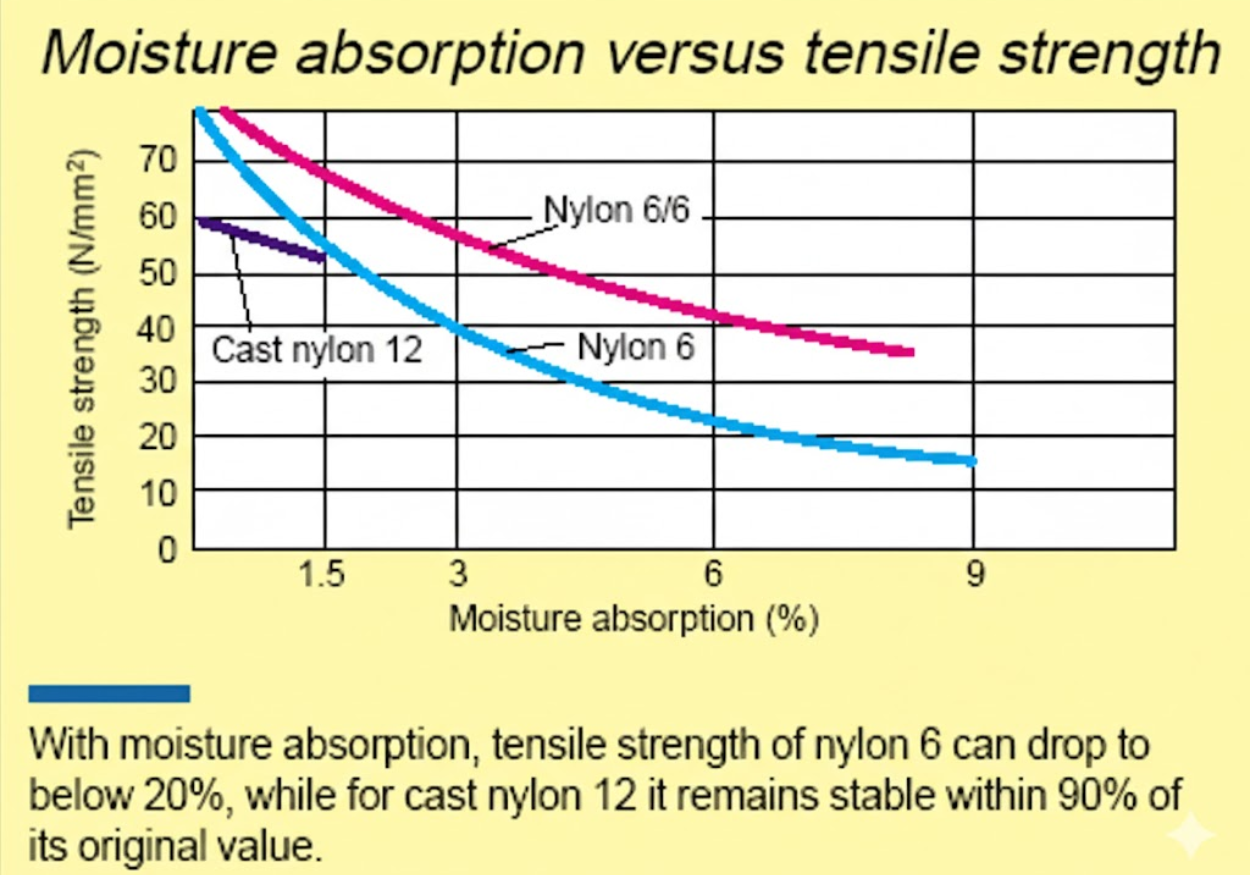
However, hydrogen bonds are sensitive to moisture. Water can weaken these bonds. As a result, tensile strength may decrease in humid environments.
Degree of polymerization of PVA
The degree of polymerization reflects polymer chain length. Longer chains generate stronger intermolecular forces. Therefore, tensile strength is improved.
PVA with a high degree of polymerization generally exhibits better tensile strength. However, water solubility may decrease. A balance between these properties is required.
In manufacturing, the degree of polymerization is carefully controlled. This ensures consistent material properties. Tensile strength meets technical requirements.
FACTORS AFFECTING THE TENSILE STRENGTH OF PVA
Effect of humidity
Humidity has a strong influence on the tensile strength of PVA. Water penetration causes polymer chains to expand. Hydrogen bonding is weakened.
As humidity increases, the material becomes softer. Tensile strength decreases significantly. This must be considered during application.
In dry environments, PVA exhibits better tensile strength. Intermolecular bonds remain stable. Mechanical properties are more consistent.
Effect of temperature
High temperatures increase polymer chain mobility. The material structure becomes more flexible. Tensile strength may decrease.
If the temperature exceeds the thermal resistance limit, PVA may deform. Even small tensile forces can cause fracture. This limits use in high-temperature environments.
Conversely, low temperatures increase stiffness. However, the material may become brittle. Identifying an appropriate temperature range is essential.
Effect of additives
Additives can either improve or reduce tensile strength. Plasticizers typically soften the material. As a result, tensile strength decreases.
In contrast, reinforcing additives enhance intermolecular bonding. Tensile strength can be significantly improved. Additive dosage must be controlled.
Additive selection should be based on application requirements. Optimizing a single property is not recommended. Balanced performance is essential.
METHODS FOR DETERMINING THE TENSILE STRENGTH OF PVA
Tensile testing principle
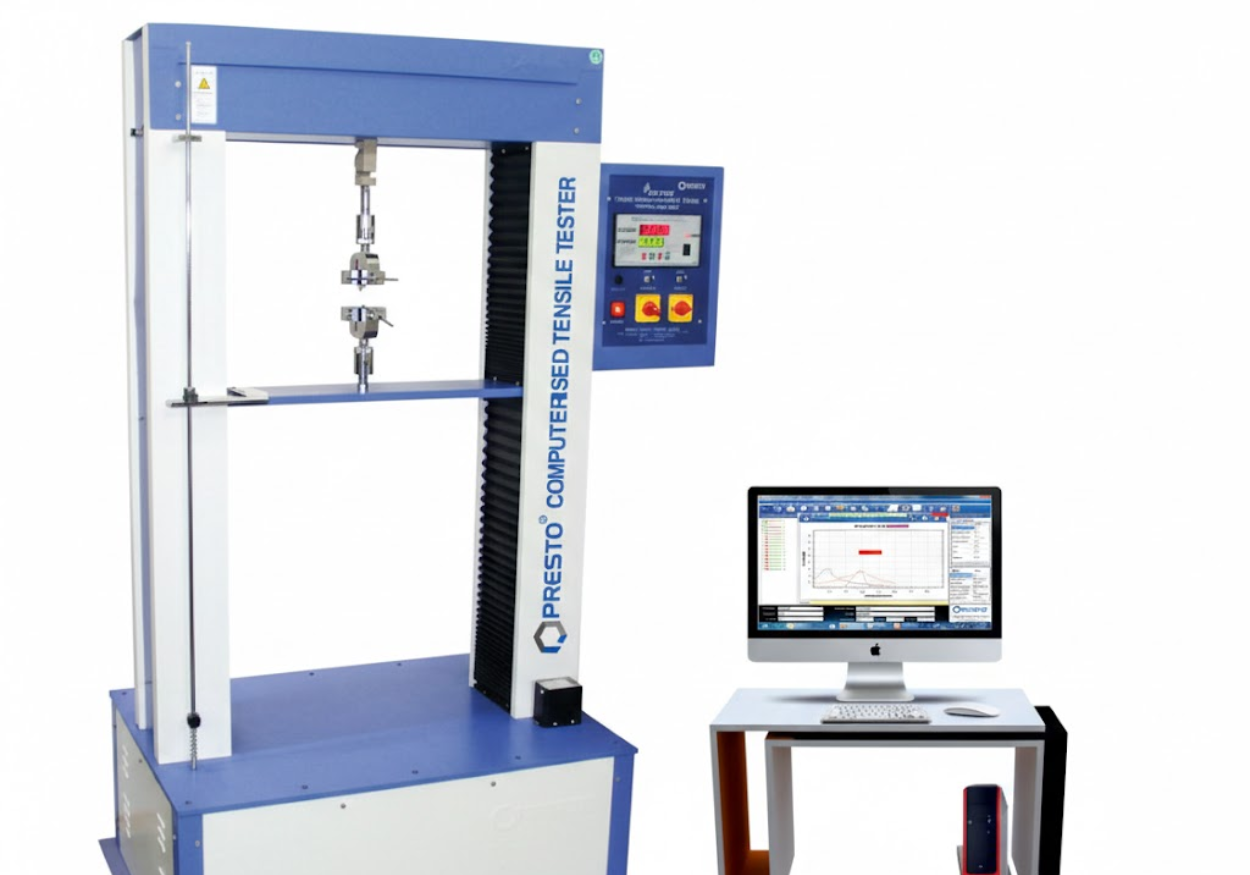
The tensile strength of PVA is determined by tensile testing. The material sample is stretched at a specified speed. Tensile force is continuously recorded.
When the sample breaks, the maximum force is identified. This value is divided by the cross-sectional area. The result is tensile strength.
The test must comply with technical standards. Testing conditions must be controlled. Only then can reliable results be obtained.
Factors affecting tensile testing
Sample size and shape influence test results. Specimens must be prepared according to specifications. Deviations cause significant errors.
Stretching speed must also be controlled. Pulling too fast or too slow affects results. Standards clearly define these parameters.
Environmental testing conditions are critical. Humidity and temperature must remain stable. This is especially important for PVA materials.
APPLICATIONS RELATED TO PVA TENSILE STRENGTH
Tensile strength is crucial in PVA film production. Films must withstand tensile stress during use. Low tensile strength leads to tearing.
In fiber production, tensile strength determines fiber quality. Strong fibers improve weaving performance. Final products have higher durability.
Additionally, PVA is used in adhesives and coatings. Tensile strength affects adhesion performance. Application effectiveness strongly depends on this property.
CONCLUSION
The tensile strength of PVA is a critical parameter in material evaluation. It reflects load-bearing capacity and service durability. Proper control significantly improves product quality.
Understanding influencing factors helps optimize PVA applications. Materials used under appropriate conditions perform better. Economic efficiency is enhanced.
As demand for environmentally friendly materials increases, PVA continues to gain attention. Controlling tensile strength is essential. It forms the foundation for sustainable applications.
VICHEM – OFFICIAL DISTRIBUTOR OF SINOPEC PVA AND VAE ADHESIVE ADDITIVES IN VIETNAM
Vichem is the official distributor of SINOPEC PVA and VAE adhesive additives in the Vietnamese market. We not only supply high-quality products but also provide international-standard technical services.
- Technical consulting: Support customers in selecting products suitable for their application.
- Color-matching tests: Vichem specialists perform matching tests to ensure results meet design standards.
- On-site application support: Assist customers during integration into production lines to ensure optimal performance.
For more information, please contact us:
📞 Hotline: 08 1790 1790
📧 Email: contact@vichem.vn
🔎 LinkedIn: Vichem JSC
🌐 Website: www.vichem.vn
📌 Facebook: Vichem JSC