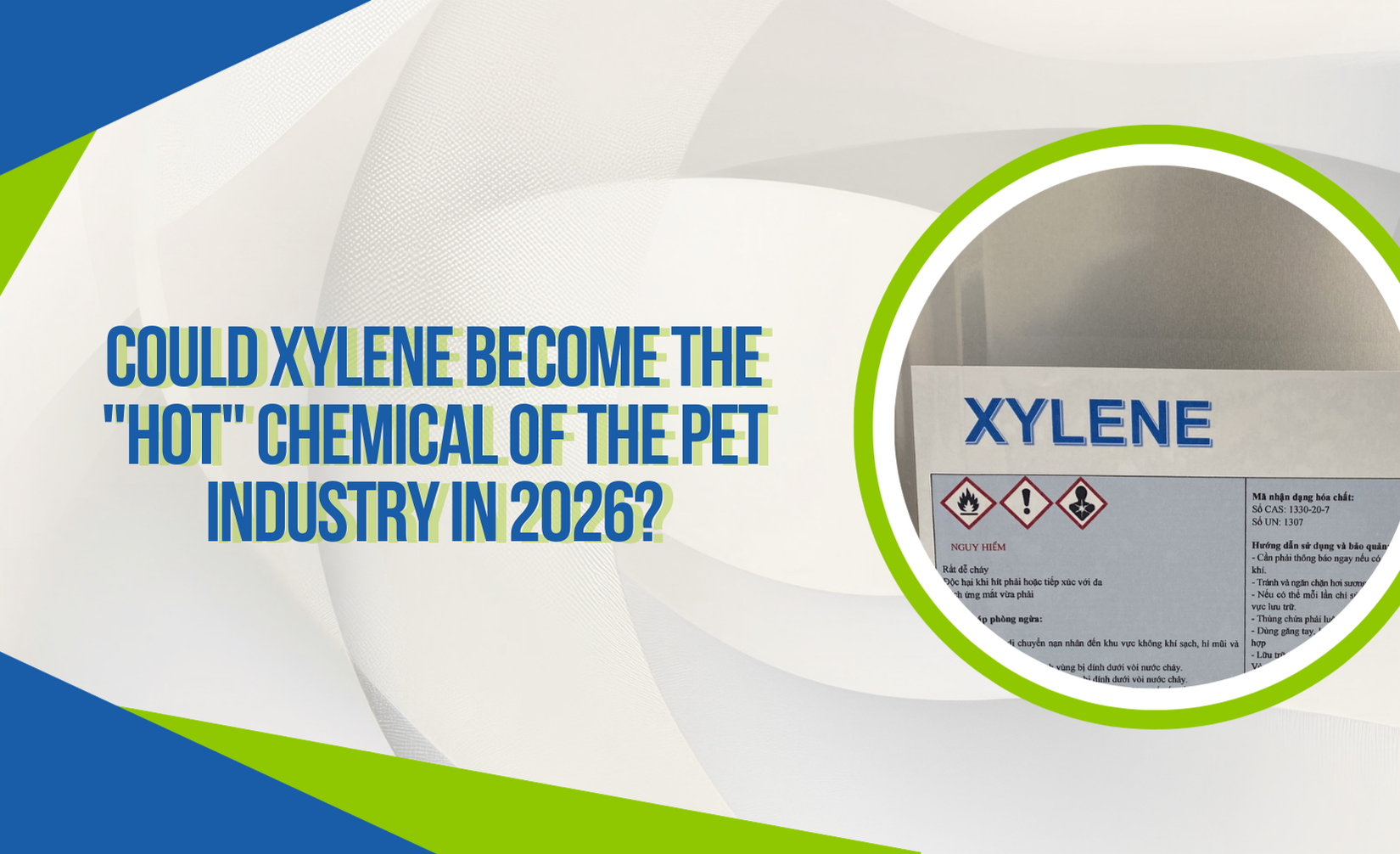
The global petrochemical market is currently facing significant pressure from geopolitical tensions in the Middle East. This region is a major supplier of crude oil and petrochemical feedstocks to Asia. When energy supply becomes unstable, the prices of petrochemical raw materials often rise rapidly.
These developments are also affecting the aromatic hydrocarbons market. Among them, xylene is drawing increasing attention due to its crucial role in the PET and polyester production chain. As a result, many experts predict that xylene could become a “hot” chemical for the PET industry in 2026.
THE GLOBAL PET MARKET CONTINUES TO GROW
Rising Demand for Packaging and Polyester
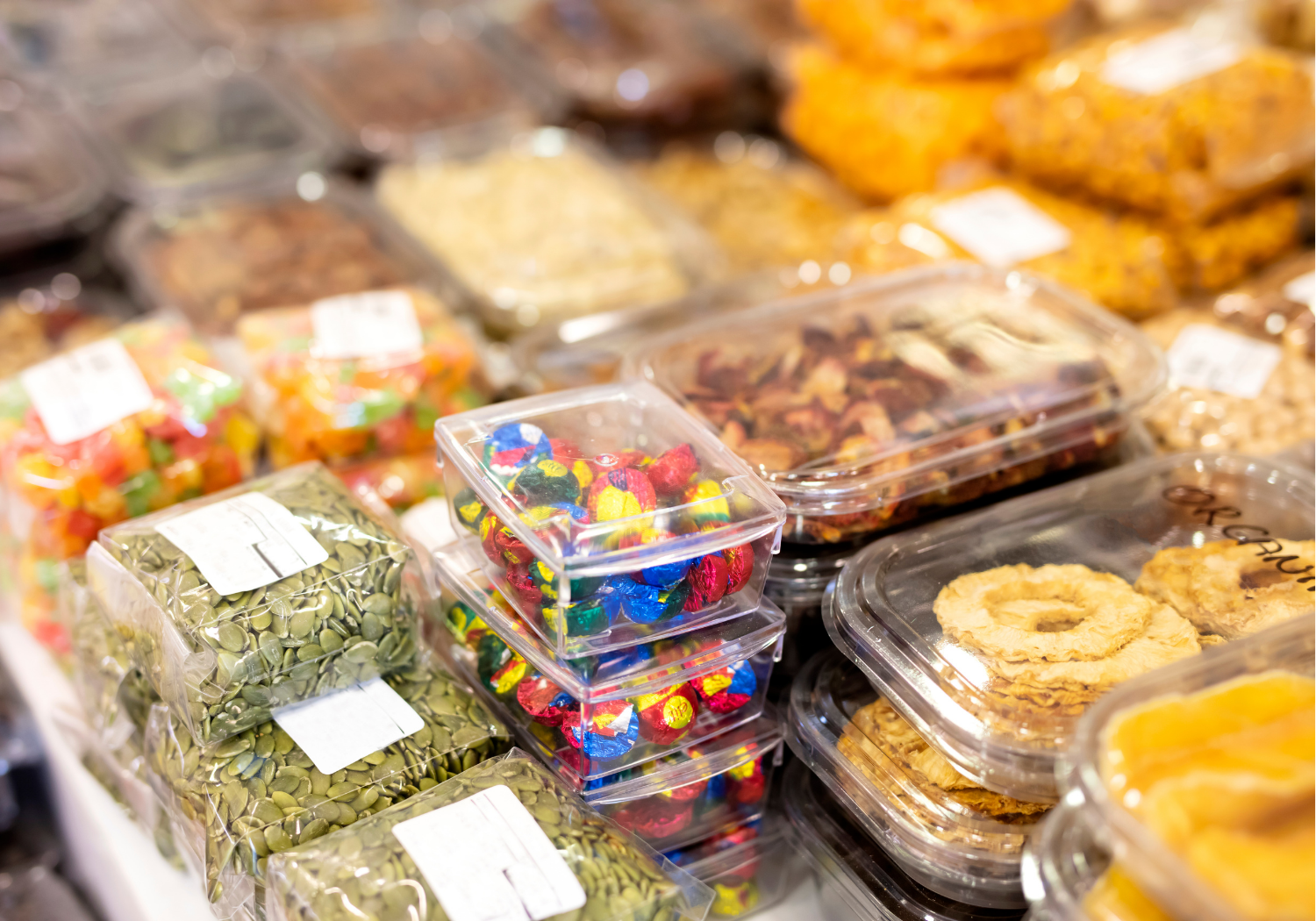
PET is one of the most widely used plastics in the world. The material is extensively used in food packaging and beverage bottles. PET is also a key raw material in the production of polyester fibers for the textile industry.
In recent years, PET demand has grown steadily across many regions. The expansion of e-commerce and the bottled beverage industry has significantly increased demand for plastic packaging. As a result, manufacturers have been expanding their PET and polyester production capacity.
As PET demand rises, the raw materials used in its production chain become increasingly important. Among them, xylene and paraxylene are two aromatic compounds that play a central role.
PET Production Depends on Paraxylene
The PET production chain begins with crude oil and naphtha. After the refining process, petrochemical plants obtain various aromatic compounds, including mixed xylenes.
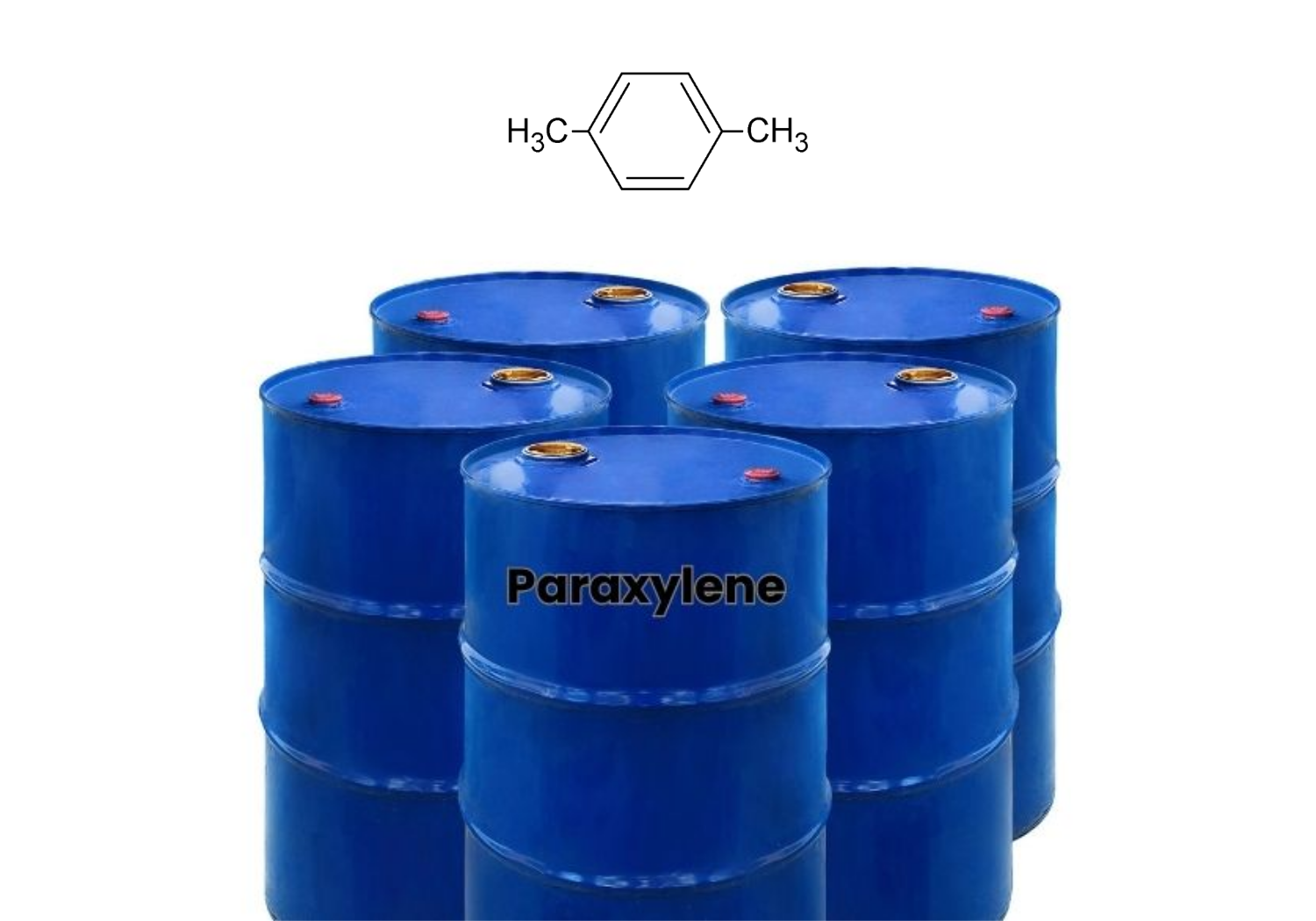
This mixture is separated and converted into paraxylene. Paraxylene is then used to produce PTA (Purified Terephthalic Acid), the primary raw material for manufacturing PET resin and polyester fibers.
Therefore, any fluctuation in the xylene market can affect the PET production chain. When xylene supply changes, the prices of paraxylene and PET may also fluctuate.
XYLENE BECOMES MORE IMPORTANT IN THE PET VALUE CHAIN
Xylene is a group of aromatic hydrocarbons produced during petroleum refining. This compound consists of three main isomers: ortho-xylene, meta-xylene, and paraxylene. Among them, paraxylene has the highest commercial value.
Paraxylene is used to produce PTA. From PTA, manufacturers produce PET and polyester. These materials are widely used in packaging, textiles, and plastic bottle manufacturing.
As a result, xylene demand is closely linked to polyester demand. When the PET market grows, demand for paraxylene also increases. This makes the xylene market more sensitive to fluctuations in the plastics industry.
During periods of strong polyester demand, xylene prices can rise rapidly. Petrochemical plants may then adjust aromatic production to meet market demand.
IMPACT ON THE PET AND PLASTICS INDUSTRIES
Direct Impact on PET and Polyester Packaging
When xylene and paraxylene prices increase, PET production costs also rise. Paraxylene is the key raw material used to produce PTA, which is then used to manufacture PET resin and polyester fibers.
PET is widely used in plastic bottles and food packaging. When raw material prices rise, packaging production costs also increase. This can place cost pressure on beverage companies and packaged food manufacturers.
During periods of significant increases in aromatic prices, the PET market often experiences price volatility. Companies in the packaging supply chain may therefore need to adjust their production plans.
Spillover Effects on the Plastics and Polymer Additives Industries
Fluctuations in xylene prices do not only affect PET. Many materials in the plastics industry are closely linked to the petrochemical market. When aromatic and energy prices rise, polymer production costs usually increase as well.
Engineering plastics are a typical example. Materials such as ABS, polycarbonate, and nylon rely heavily on petrochemical-based monomers. When feedstock prices rise, the production costs of these engineering plastics may also increase.
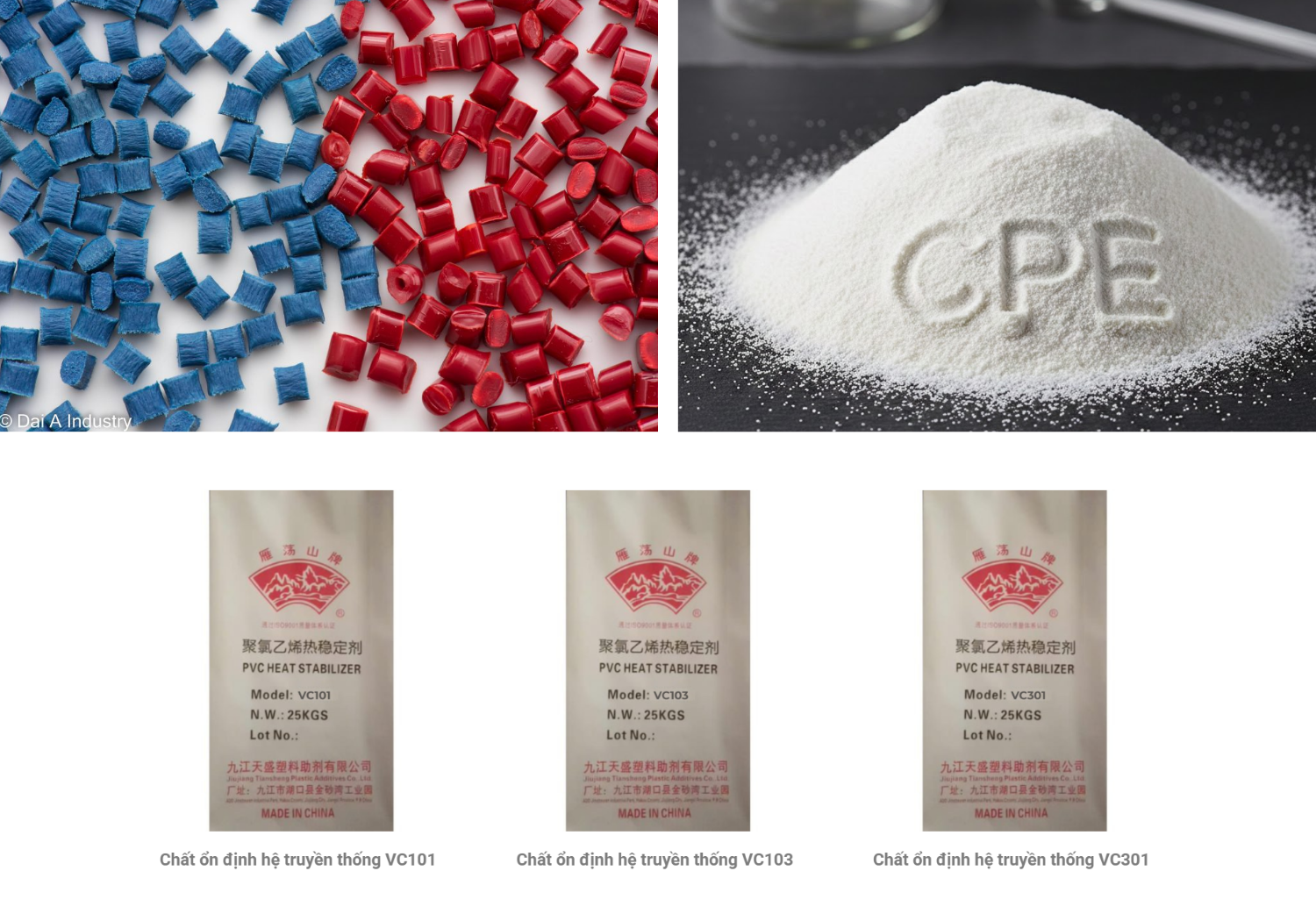
Certain polymer additives are affected in a similar way. Processing aids are used to improve the processability and stability of plastic materials. When petrochemical raw material prices increase, the cost of producing these additives may also fluctuate.
CPE is a common material used in the PVC industry. This compound improves the durability and impact resistance of the material. Therefore, CPE is widely used in various plastic products and construction materials.
As a result, fluctuations in the xylene market can spread throughout the entire polymer supply chain. These changes may affect multiple industries, from packaging and engineering plastics to construction materials.
WHAT SHOULD CHEMICAL COMPANIES DO?
In a volatile petrochemical market environment, companies need to closely monitor raw material prices. Changes in crude oil and naphtha prices can quickly influence aromatic prices, particularly for compounds such as xylene and paraxylene.
Businesses should also develop flexible import strategies. Diversifying supply sources can help reduce risks during market fluctuations. In addition, effective inventory management can help stabilize production costs.
As the PET and polyester markets continue to grow, demand for aromatics may also increase. Monitoring the petrochemical supply chain will help companies become more proactive in their production planning.
CONCLUSION
Xylene plays an increasingly important role in the PET and polyester production chain. Global demand for plastic packaging and polyester fibers continues to grow, making the paraxylene and xylene markets more active.
Geopolitical tensions in the Middle East are also influencing energy and petrochemical feedstock prices. These factors may make xylene one of the most notable chemicals for the PET industry in 2026.
In this context, companies need to closely monitor feedstock markets. Effective supply management and cost control will help businesses maintain stability in their operations.
VICHEM – OFFICIAL DISTRIBUTOR OF ENGINEERING PLASTICS, VIRGIN RESINS, AND ADDITIVES FROM POLYGRAM, TOTALENERGIES CORBION, AND TIANSHENG IN VIETNAM
Vichem is an authorized distributor of engineering plastics, virgin resins, and additives from Polygram, TotalEnergies Corbion, and Tiansheng in the Vietnamese market. We not only provide high-quality products but also deliver international-standard after-sales services.
For more information about our products, please contact us through the following channels:
📞 Hotline: 08 1790 1790
📧 Email: contact@vichem.vn
🔎 LinkedIn: Vichem JSC
🌐 Website: www.vichem.vn
📌 Facebook: Vichem JSC