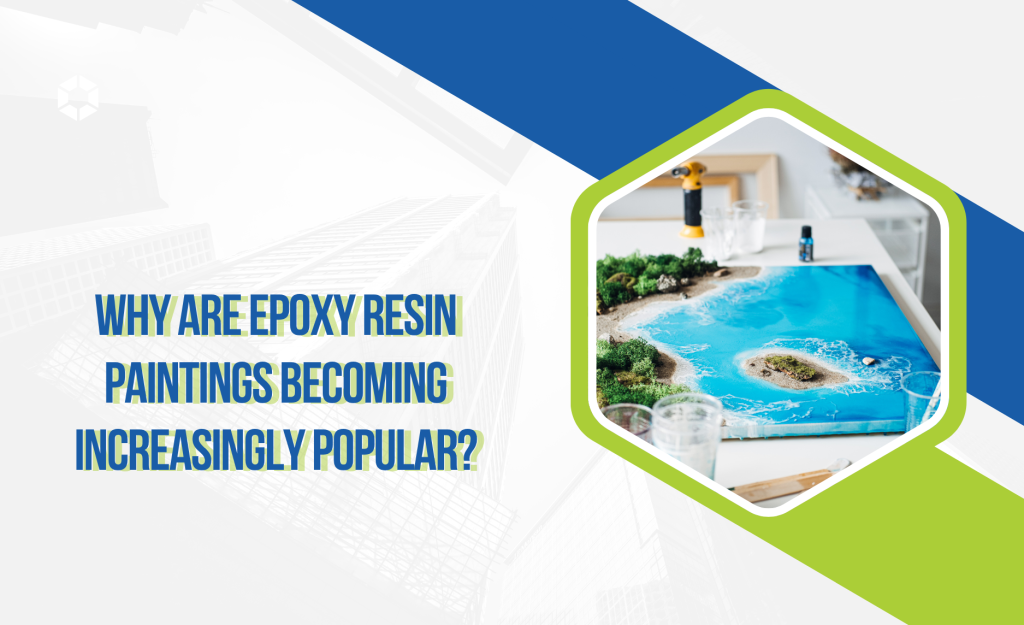
In recent years, epoxy resin artworks have become increasingly common in homes, hotels, cafés, and commercial spaces. More than just decorative items, these artworks are also regarded as highly personalized artistic creations.
Unlike many traditional art forms, epoxy resin creates a distinctive visual effect. Its transparent surface and multilayer depth make each piece particularly striking under light. This unique characteristic has contributed significantly to its growing popularity among modern interior designers.
WHAT IS EPOXY RESIN ART?
Epoxy resin art is created by combining transparent epoxy resin with pigments, natural materials, or other decorative elements.
Once fully cured, epoxy forms a hard material with a high-gloss finish. Thanks to its transparency, this material creates a sense of depth that is difficult to achieve with many traditional art forms. Today, many artisans combine epoxy with natural stone, wood, sea sand, seashells, or dried flowers. As a result, each artwork possesses unique characteristics and is nearly impossible to replicate exactly.
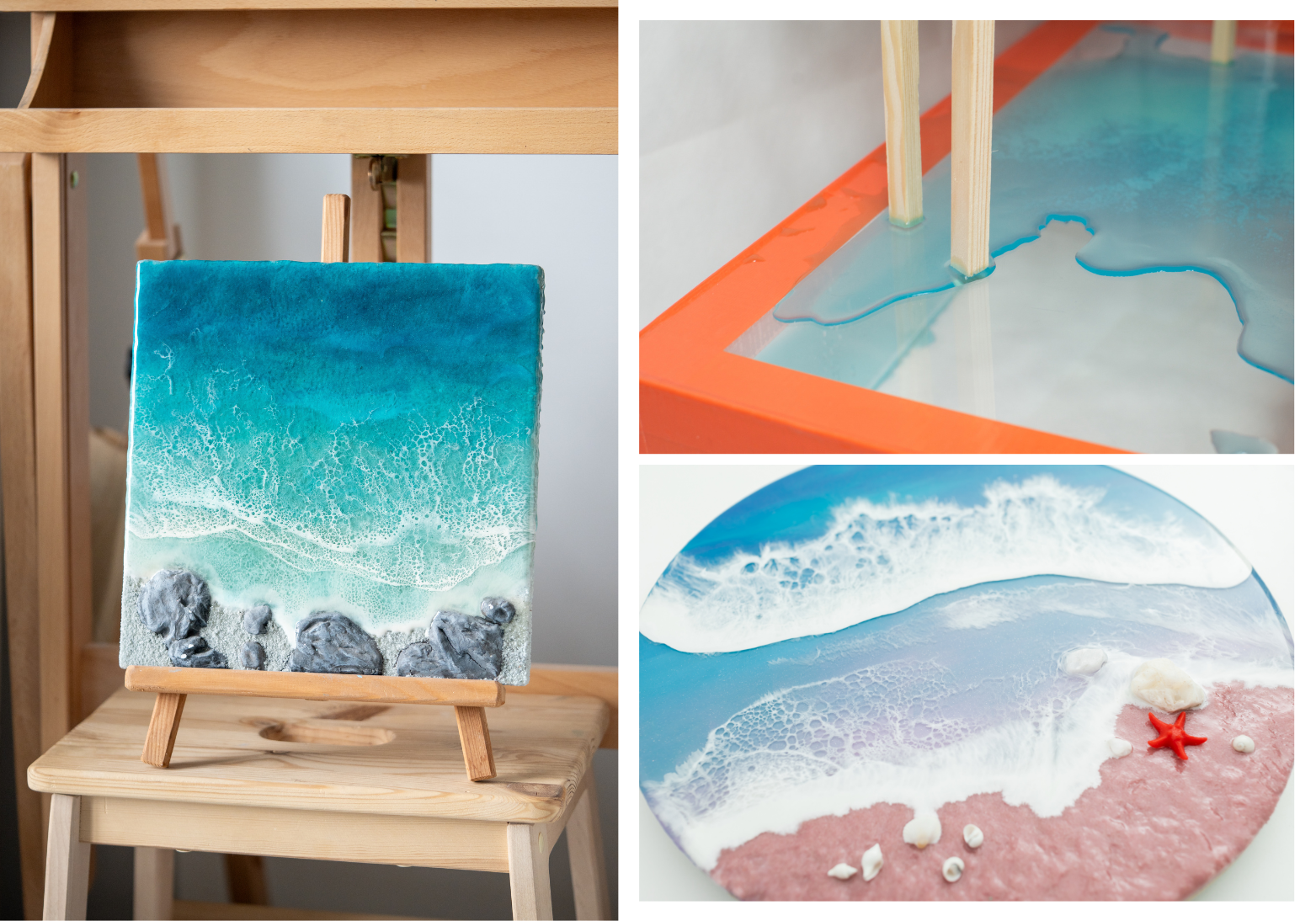
Currently, epoxy resin art is available in various styles. Popular themes include ocean art, abstract art, landscape art, and mixed-media compositions.
WHY IS EPOXY RESIN ART BECOMING INCREASINGLY POPULAR?
Impressive 3D Depth Effects
One of the most important factors is its ability to create visual depth.
The transparent epoxy layers make the elements within the artwork appear more vivid and dynamic. When light strikes the surface, the artwork produces reflective effects and a multidimensional spatial impression. This represents a significant difference compared to conventional canvas paintings or printed artworks.
This effect makes epoxy resin art a striking focal point in modern interior spaces.
Unique Artistic Value
Every epoxy artwork is one of a kind. The resin-pouring process is influenced by numerous factors, including color-mixing techniques, temperature, and material handling methods. Therefore, creating two completely identical pieces is extremely difficult.
As a result, epoxy resin art is widely regarded as a premium handcrafted art form. Buyers do not simply own a decorative item; they acquire a distinctive artwork with its own identity.
Suitable for Various Interior Design Styles
Versatility is one of its greatest advantages. Epoxy resin artworks can complement minimalist, modern, or luxury interiors. In addition, many designs work exceptionally well with tropical, coastal, and contemporary styles.
Thanks to customizable colors, dimensions, and compositions, these artworks can easily integrate into a wide range of interior settings.
Creating a Luxurious Atmosphere
The glossy surface and high transparency of epoxy resin contribute to a premium appearance.
Under both natural and artificial lighting, epoxy artworks often stand out more than many conventional art pieces. This is one of the main reasons why hotels, resorts, and showrooms increasingly choose epoxy art for display areas.
THE PROCESS OF CREATING EPOXY RESIN ART
Creating a complete epoxy resin artwork requires multiple stages. Each step directly influences the final quality and visual effects of the piece.
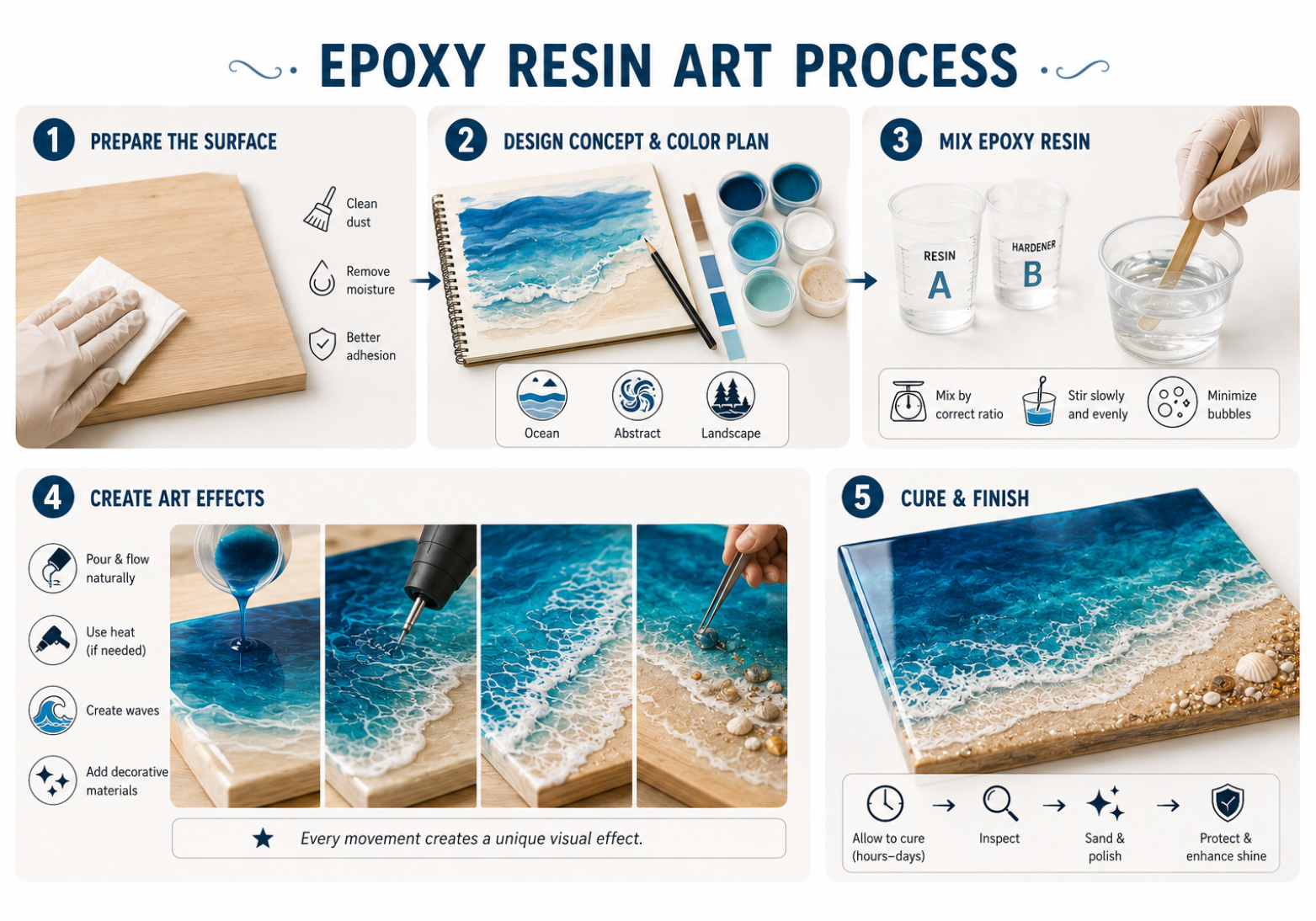
Step 1: Preparing the Base Surface
The base surface is typically made from wood, MDF, or specialized canvas.
Before application, the surface must be cleaned of dust and moisture. This preparation ensures better adhesion of the epoxy resin and helps prevent defects during the pouring process.
Step 2: Concept Development and Color Design
This stage determines the artistic direction of the artwork. The artist selects the theme, color palette, and desired visual effects. Popular styles include ocean art, abstract art, and landscape art.
Many artists now use digital visualization software or sketches to plan compositions before beginning production.
Step 3: Mixing the Epoxy Resin
Epoxy resin generally consists of two components: resin and hardener. These components must be mixed according to the manufacturer’s specified ratio. If the ratio is inaccurate, the final product may remain soft, become cloudy, or fail to cure completely.
During mixing, care must also be taken to minimize air bubbles to maintain the transparency of the resin layer.
Step 4: Creating Artistic Effects
After coloring, the epoxy is poured onto the surface layer by layer. Artists may employ various techniques, such as free-flow pouring, heat manipulation, ocean wave effects, or the incorporation of decorative materials.
This stage is where each artwork develops its unique character. Every movement of the resin can generate different visual effects.
Step 5: Curing and Finishing
Once the design process is complete, the artwork requires sufficient time to cure fully. Depending on the epoxy system used, this process may take anywhere from several hours to several days.
After the surface has stabilized, the artwork is inspected, polished, and finished. This final stage enhances clarity, gloss, and surface protection.
FUTURE DEVELOPMENT TRENDS
The epoxy art industry is evolving toward more premium and sophisticated applications. Many artisans are now integrating lighting technology, natural materials, and multilayer resin-pouring techniques to create more complex visual effects than ever before.
In addition, UV-resistant and anti-yellowing epoxy systems continue to improve. These advancements help extend the lifespan of artworks while maintaining long-term clarity and transparency.
At the same time, the growing demand for environmentally friendly materials is driving the development of new bio-based resin systems.
In the future, epoxy resin art will serve not only as decorative artwork but also as an integral part of personalized interior art and experiential space design.
CONCLUSION
Epoxy resin art is becoming a leading choice in modern interior decoration. The combination of transparency, depth effects, and unique artistic expression has created a distinctive appeal for this category of artwork.
Beyond its aesthetic value, epoxy offers outstanding durability and versatile applications across a wide range of environments. This is why an increasing number of homeowners, architects, and designers are choosing epoxy art for premium interior projects.
As demand for personalization continues to grow, resin art is expected to experience further expansion. New epoxy technologies featuring UV resistance, anti-yellowing properties, and enhanced clarity will play a critical role in the industry’s future development.
VICHEM – AUTHORIZED DISTRIBUTOR OF CHEMICAL ADDITIVES FROM LEADING BRANDS SUCH AS COVESTRO, SINOPEC, BUHLER, AND MORE IN VIETNAM
Vichem is an authorized distributor of chemical additive products from leading brands such as Covestro, Sinopec, Buhler, and others in the Vietnamese market. We not only provide high-quality products but also deliver after-sales services that meet international standards.
For more information about our products, please contact us through the following channels:
📞 Hotline: 08 1790 1790
📧 Email: contact@vichem.vn
🔎 LinkedIn: Vichem JSC
🌐 Website: www.vichem.vn
📌 Facebook: Vichem JSC