Dip coating is widely used in the packaging and molded pulp materials industry. This method helps create a uniform coating layer on various product shapes. However, manufacturers often encounter a defect that is quite difficult to handle. That defect is pinholes on the coated surface. Pinholes appear as tiny dots on the coating film. In some cases, they may form in dense clusters. This reduces the sealing performance of the coating layer and affects product quality.
In the molded pulp industry, this defect occurs quite frequently. The causes stem from the moisture-absorbing properties and porous structure of cellulose materials. In addition, coating formulations and processing conditions also greatly affect surface quality.
WHAT ARE PINHOLES IN DIP COATING?
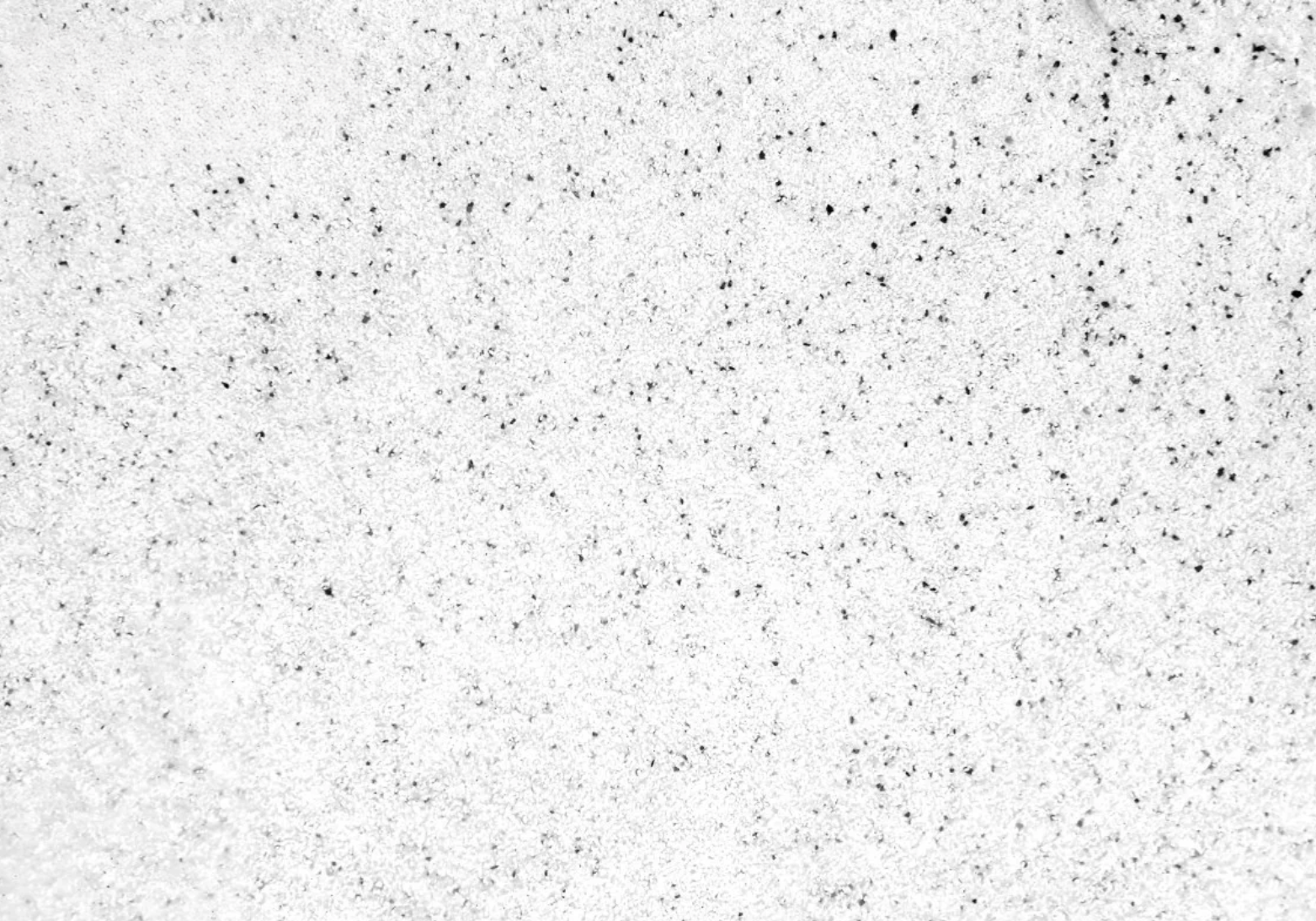
Pinholes are tiny holes that appear on the coating surface after the film has completely dried. Some holes only exist on the outer layer, while others penetrate deeply into the substrate. This phenomenon is common in many industrial coating systems. However, for molded pulp surfaces, the defect rate is generally higher.
These small holes reduce the protective performance of the coating layer. Water and moisture can penetrate through defective areas. If the product is used in humid environments, the coating will deteriorate much faster. Besides technical concerns, pinholes also significantly affect the aesthetic appearance of the product.
WHY IS MOLDED PULP PRONE TO PINHOLES AFTER DIP COATING?
The porous structure of molded pulp
Molded pulp consists of numerous cellulose fibers bonded together. There are many tiny voids between these fibers. These voids can trap air and moisture inside the material. When the product is dipped into the coating solution, the coating quickly seals the surface. However, the trapped air inside continues to escape outward.
As the air passes through the coating film, tiny needle-like holes appear on the surface. This is the most common mechanism causing pinholes in molded pulp materials.
Molded pulp has high moisture absorption
Cellulose has a relatively high water absorption capacity. If the raw material is not properly dried, moisture will remain inside the product.
When entering the drying oven, the moisture begins to evaporate rapidly. The expanding vapor creates pressure beneath the coating layer. As a result, numerous tiny holes appear on the surface. This is a very common cause in molded pulp packaging production.
Uneven material surface
Some molded pulp products have relatively rough surfaces. Fiber dust or small impurities may also remain on the surface. When the coating does not spread evenly, recessed areas are difficult to fully cover. After the coating dries, these areas can easily become pinholes.
COMMON CAUSES OF PINHOLES IN DIP COATING
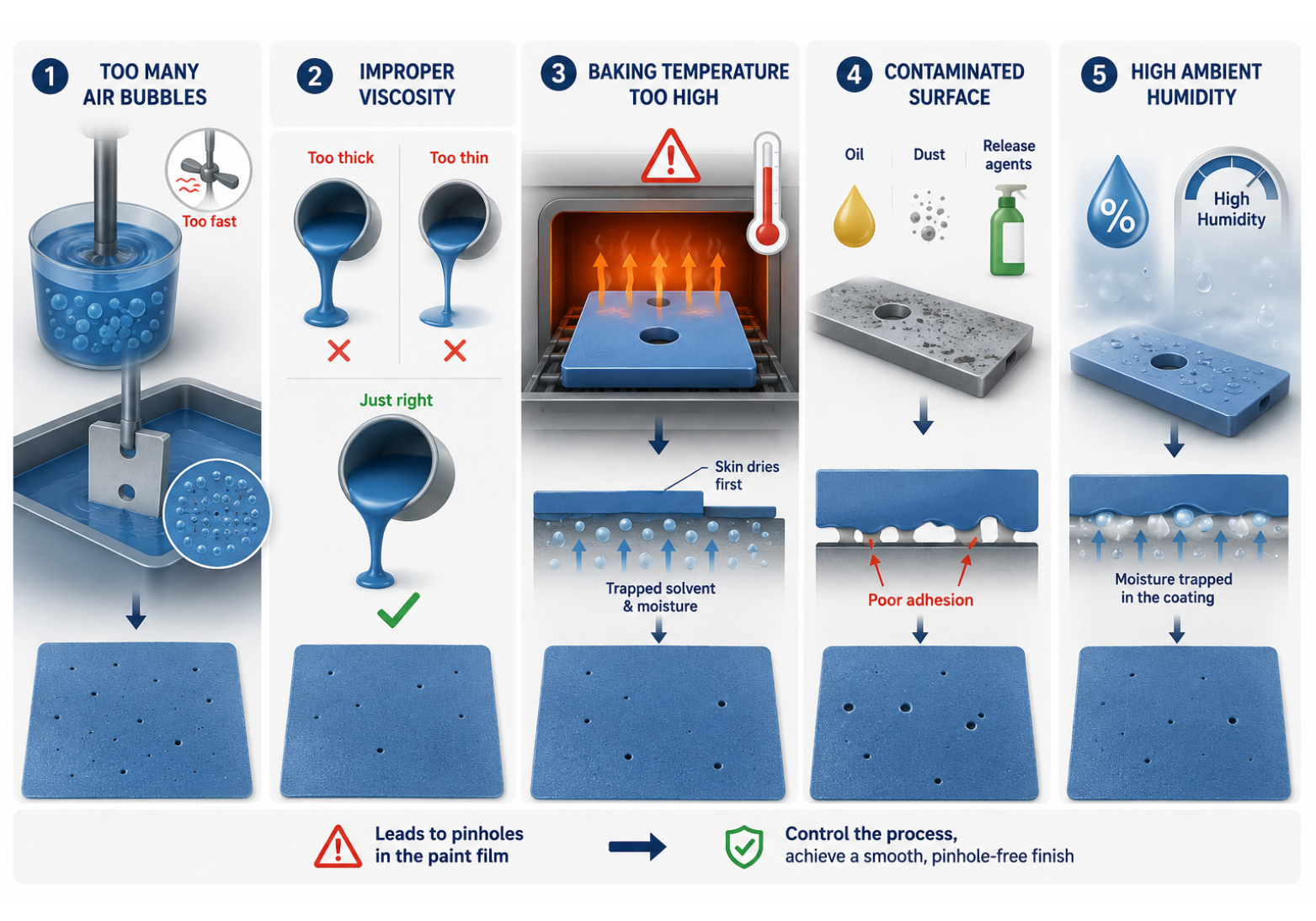
Excessive air bubbles in the coating
During mixing, a large amount of air may become entrapped in the coating solution. If the mixing speed is too high, the amount of air bubbles increases significantly.
During dipping, these tiny bubbles adhere to the material surface. They later burst during drying and leave small holes in the coating film. This issue is quite common in water-based coating systems.
Improper coating viscosity
If the coating is too thick, its self-leveling ability decreases. When gas escapes from the surface, the coating does not have enough flowability to reseal the exposed area. On the other hand, if the coating is too thin, the coating layer becomes excessively thin. This also increases the risk of pinhole formation.
Many manufacturers only adjust solvent content without properly controlling the flow characteristics of the coating system.
Excessive drying temperature
When the temperature rises too quickly, solvents and moisture evaporate more aggressively than normal. If the outer layer of the coating film dries first, gas underneath becomes trapped. The accumulated pressure causes numerous small holes to appear after curing.
This phenomenon commonly occurs when manufacturers attempt to increase production speed by excessively raising drying temperatures.
Surface contamination
Oil, dust, or release agents can reduce coating adhesion. When the coating does not adhere evenly to the substrate, numerous microscopic gaps form in the coating film. After drying, these gaps become pinholes or thin coating areas.
In molded pulp factories, fine cellulose dust is a particularly difficult source of defects to control.
Excessive ambient humidity
Air humidity greatly affects coating quality. If the production environment is too humid, moisture can easily become trapped within the coating film. This increases the likelihood of pinhole formation after drying.
THE IMPACT OF PINHOLES ON PRODUCTS
Pinholes do not only affect aesthetics. From a technical perspective, this is a serious defect for several reasons.
First, pinholes act as capillary channels. They absorb moisture into the coating layer, causing blistering and peeling over time. Second, for packaging products, pinholes reduce water resistance. Goods inside the package become more vulnerable to environmental conditions. Third, dirt accumulation inside pinholes creates favorable conditions for bacteria and mold growth. This is a serious issue for food and pharmaceutical packaging.
SOLUTIONS TO PREVENT PINHOLES IN DIP COATING
Control the moisture content of raw materials
This is the most important step for molded pulp materials. Raw materials must be dried to a stable moisture level before coating.
Manufacturers should regularly measure moisture content instead of relying solely on visual inspection. Some factories also preheat products before dip coating to reduce gas release from within the material.
Optimize the coating formulation
The coating system should have suitable viscosity to allow effective gas release while maintaining good surface coverage. In addition, many manufacturers use defoaming additives to reduce trapped air in the coating solution.
However, additive usage must be carefully controlled to avoid affecting adhesion and coating gloss.
Adjust the drying process
The temperature should not increase too rapidly at the beginning. Many production lines now use multi-stage drying systems. The initial stage allows solvents and moisture to evaporate gradually. The temperature is then increased to complete the drying process. This method significantly reduces pinhole formation in coating films.
Clean the surface before coating
Dust and impurities must be removed from the material surface before entering the dipping tank. Some factories also use compressed air or dust extraction systems to reduce cellulose fibers attached to the product surface. This is a very important step but is often overlooked in actual production.
Control the factory environment
Temperature and humidity levels should be maintained consistently. If the environment is excessively hot or humid, coating film quality will decline significantly. In addition, dust filtration systems can greatly reduce surface defects during the dip coating process.
NEW TRENDS IN COATINGS FOR MOLDED PULP
The molded pulp packaging industry is growing rapidly due to the trend toward reducing single-use plastics. As a result, quality requirements for coating systems are becoming increasingly demanding. Today, many companies are shifting toward water-based coatings to reduce environmental emissions. However, these coating systems are also more sensitive to pinhole defects.
To address this issue, many chemical manufacturers are developing more effective defoaming additives and surface leveling agents. In addition, new coating technologies are being researched to minimize trapped air during the coating process.
In the future, environmentally friendly coating materials that still ensure excellent sealing performance and durability will become a major trend in the industrial coatings sector.
CONCLUSION
Pinholes are a common defect in the dip coating process on molded pulp surfaces. The primary causes include moisture, trapped air inside the material, and inadequate coating leveling performance.
If not properly controlled, this issue will reduce coating durability and protective performance. In addition, products will lose aesthetic quality and become more susceptible to defects during use.
To effectively minimize pinholes, manufacturers must simultaneously control raw materials, coating formulations, and processing conditions. This is also an important direction as the packaging and coatings industries continue shifting toward more sustainable solutions.
VICHEM – AUTHORIZED DISTRIBUTOR OF CHEMICAL ADDITIVES FROM LEADING BRANDS SUCH AS COVESTRO, SINOPEC, BUHLER,… IN VIETNAM
Vichem is an authorized distributor of chemical additives from leading brands such as Covestro, Sinopec, Buhler,… in the Vietnamese market. We not only provide high-quality products but also deliver after-sales services that meet international standards.
For more information about our products, please contact us through the following channels:
📞 Hotline: 08 1790 1790
📧 Email: contact@vichem.vn
🔎 LinkedIn: Vichem JSC
🌐 Website: www.vichem.vn
📌 Facebook: Vichem JSC