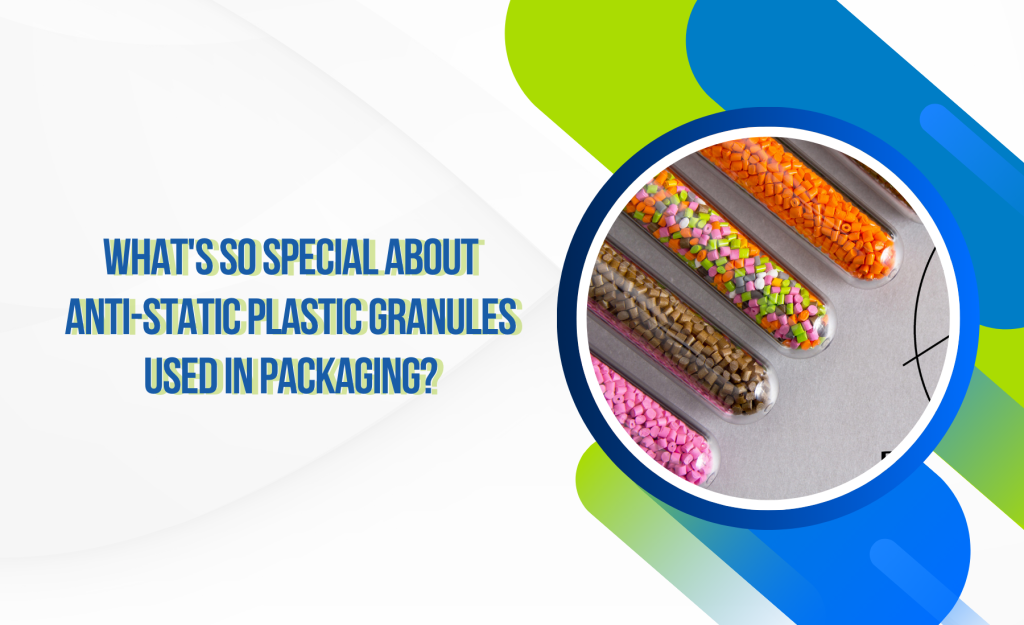
In the modern packaging industry, safety factors are becoming increasingly important. Especially for sensitive products, static electricity is a major risk that is often underestimated. During packaging and transportation, electrical charges can accumulate and cause many serious issues.
For this reason, many businesses have shifted to using anti-static plastic resin as an effective solution. This material controls electrical charges from within its structure rather than relying solely on surface treatment. It not only protects products but also improves the quality and stability of packaging throughout its lifecycle.
OVERVIEW
Anti-static plastic resin is a type of engineering plastic material enhanced with special additives to control charge accumulation. These additives create microscopic conductive pathways that allow electrical charges to dissipate gradually instead of building up on the surface. As a result, the risk of sparks or sudden electrostatic discharge is significantly reduced.
In practice, this material typically has a surface resistivity ranging from 10⁶ to 10¹² ohms. This level is sufficient to safely dissipate charges without affecting the insulating properties of the material. In packaging—especially industrial packaging—this characteristic is extremely important. It ensures that the products inside are not affected by electrostatic factors during storage and transportation.
WHY DOES PACKAGING NEED ANTI-STATIC PROPERTIES?
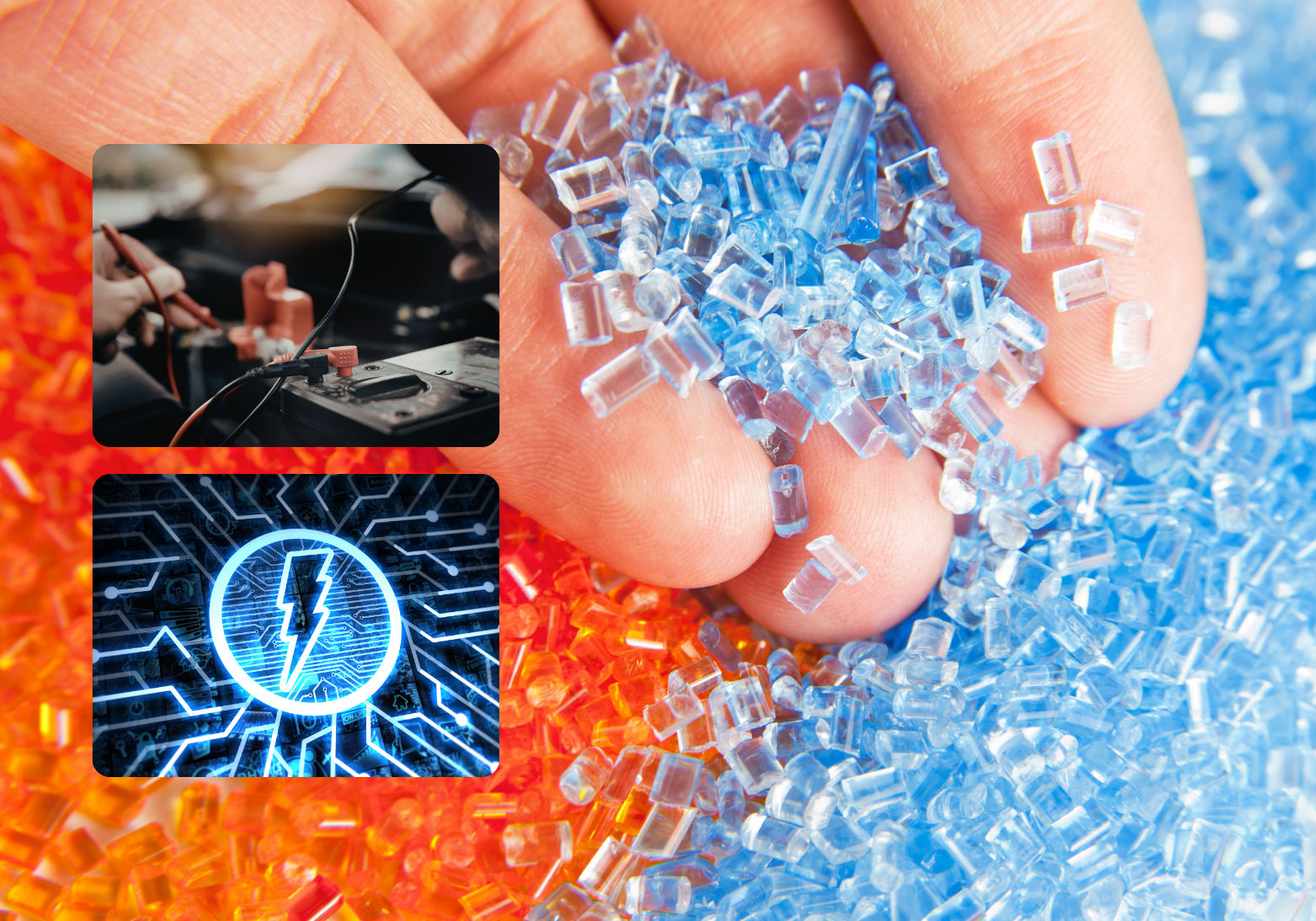
Static electricity is usually generated by friction between surfaces or differences in electrical charge during contact. In production environments, packaging, transportation, and storage processes can all generate static electricity. If not properly controlled, this charge can lead to serious consequences.
In the electronics industry, even a small electrostatic discharge can damage delicate microcircuits, resulting in product defects that may not be immediately visible. Additionally, in environments containing flammable solvents or gases, static electricity can cause fires or explosions. Moreover, static charge can attract dust to packaging surfaces, reducing product quality and aesthetic appeal.
For these reasons, anti-static packaging is no longer optional—it has become a mandatory requirement in many modern industries.
CHARACTERISTICS
The most significant feature of anti-static plastic resin is that the additives are integrated directly into the material structure. This ensures that the anti-static performance does not depend on an external coating. As a result, charge control remains stable throughout usage, even when the surface is worn.
Another important factor is the controlled rate of charge dissipation. Instead of releasing charges abruptly, the material allows them to dissipate gradually, preventing electrostatic discharge that could damage electronic components.
Additionally, anti-static plastic resin performs consistently under various environmental conditions. Whether in dry or high-humidity environments, its anti-static effectiveness remains stable. This is a major advantage over traditional surface treatment methods.
Beyond anti-static functionality, the material also offers strong mechanical properties. Packaging made from this resin has high strength, impact resistance, and abrasion resistance, helping extend product lifespan and reduce replacement costs.
CLASSIFICATION
Anti-static plastic resin can be classified based on various criteria. One common method is by conductivity level. Materials can be designed for basic anti-static protection or for faster charge dissipation depending on application requirements.
The base polymer type is also a key factor. Anti-static resin can be produced from polymers such as PP, PE, PET, or PVC. Each type has unique characteristics suited to specific applications. For example, PE is often used to produce anti-static bags due to its flexibility and cost efficiency.
In addition, manufacturing technology significantly affects material quality. The compounding method—where additives are directly mixed into the plastic—typically provides more stable performance compared to surface coating methods. This is also the preferred approach for many businesses today.
APPLICATIONS
Packaging
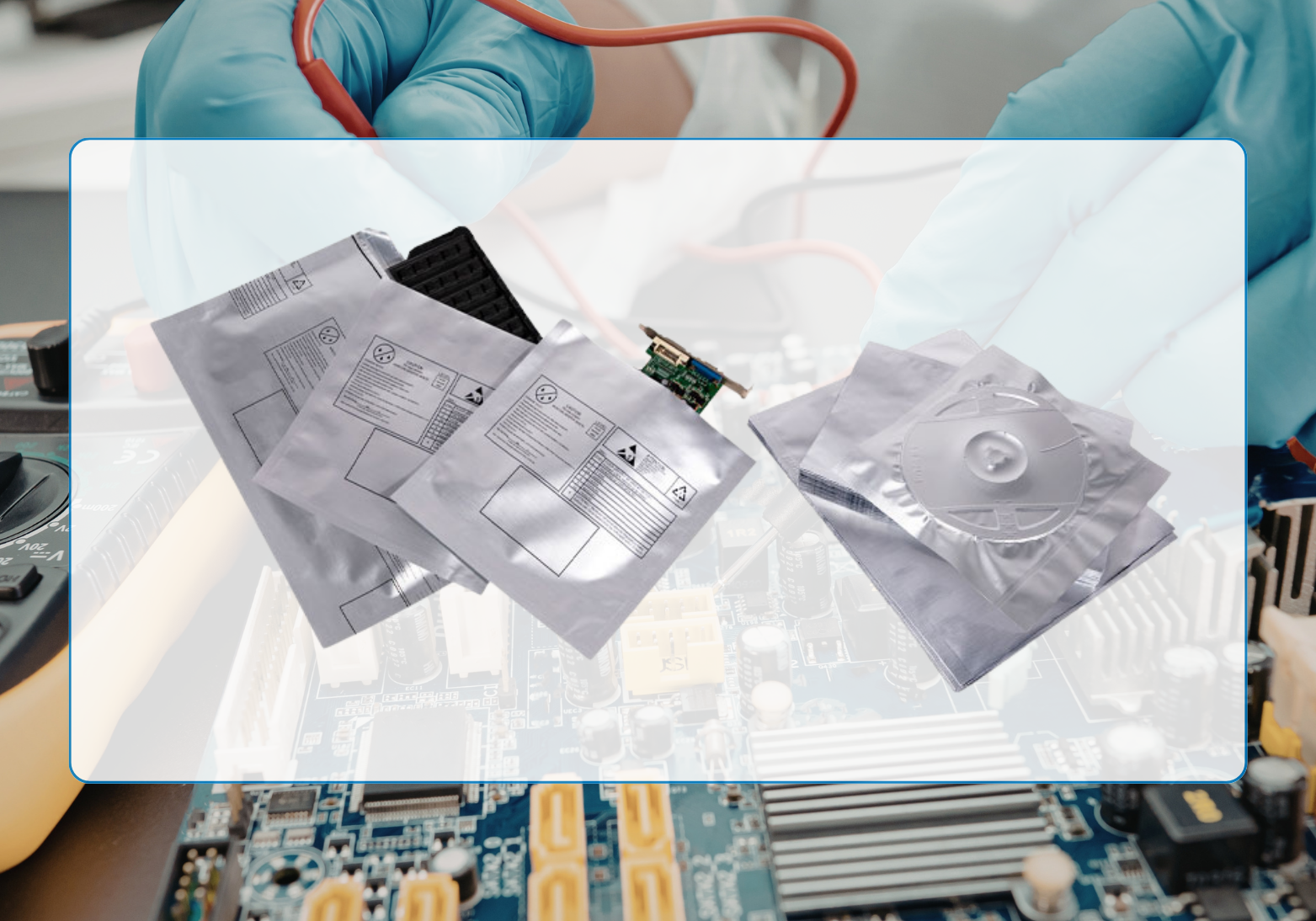
Anti-static plastic resin is widely used in various packaging sectors. In the electronics industry, it is used to produce bags, trays, and containers for components. These products protect microcircuits from electrostatic effects during transportation and storage.
Cleanroom environments
In cleanroom environments, static control is mandatory. Anti-static packaging helps minimize dust adhesion to surfaces, thereby maintaining cleanliness and stability in production environments.
Medical sector
In the medical field, certain sensitive equipment also requires protection from static electricity. Packaging made from anti-static resin ensures the accuracy and safety of these products. In the chemical industry, especially with flammable substances, this material also plays a critical role in reducing fire and explosion risks.

KEY TECHNICAL STANDARDS TO CONSIDER
When selecting anti-static plastic resin, surface resistivity is the most important parameter to evaluate, as it reflects the material’s ability to dissipate electrical charges. Additionally, material stability under different environmental conditions should be carefully assessed.
The uniform dispersion of additives within the plastic also directly impacts anti-static performance. If additives are not evenly distributed, the material’s effectiveness will be inconsistent. Furthermore, the mechanical durability of the packaging must be ensured to meet real-world usage requirements.
TRENDS
The packaging industry is evolving toward more modern and sustainable solutions, and anti-static plastic resin is no exception. New materials are being developed to reduce environmental impact while improving performance.
A notable trend is the development of bio-based materials. These plastics not only meet technical requirements but are also environmentally friendly. Additionally, integrating multiple functionalities into a single material is becoming increasingly common, helping optimize costs and improve overall efficiency.
CONCLUSION
Anti-static plastic resin is an essential material solution in modern packaging. With its effective charge control capability, it helps protect products, enhance safety, and minimize risks in production processes.
Choosing the right material not only improves product quality but also delivers long-term economic benefits. In the context of rapid industrial development, this is a factor that businesses cannot afford to overlook.
VICHEM – AUTHORIZED DISTRIBUTOR OF LUMINY PLA VIRGIN RESIN BY TOTALENERGIES CORBION IN VIETNAM
Vichem is an authorized distributor of Luminy PLA virgin plastic products from TotalEnergies Corbion in the Vietnamese market. We not only provide high-quality products but also deliver after-sales services that meet international standards.
For more information, please contact us via:
📞 Hotline: 08 1790 1790
📧 Email: contact@vichem.vn
🔎 LinkedIn: Vichem JSC
🌐 Website: www.vichem.vn
📌 Facebook: Vichem JSC