In the chemical industry, there are materials that are both useful and potentially hazardous. Nitrocellulose is one of them. It appears in wood coatings, printing inks, and even gunpowder. However, many people are only aware of its applications without understanding its mechanism of action. This can easily lead to misuse or safety risks.
Understanding nitrocellulose helps you better control quality and risks. So, what is nitrocellulose and why is it widely used in industry?
OVERVIEW OF NITROCELLULOSE
What is Nitrocellulose?
Nitrocellulose is a derivative of natural cellulose. It is produced through a reaction between cellulose, nitric acid, and sulfuric acid. Essentially, it is a nitrate ester of cellulose. Its molecular structure contains multiple nitrate groups replacing the original hydroxyl groups.
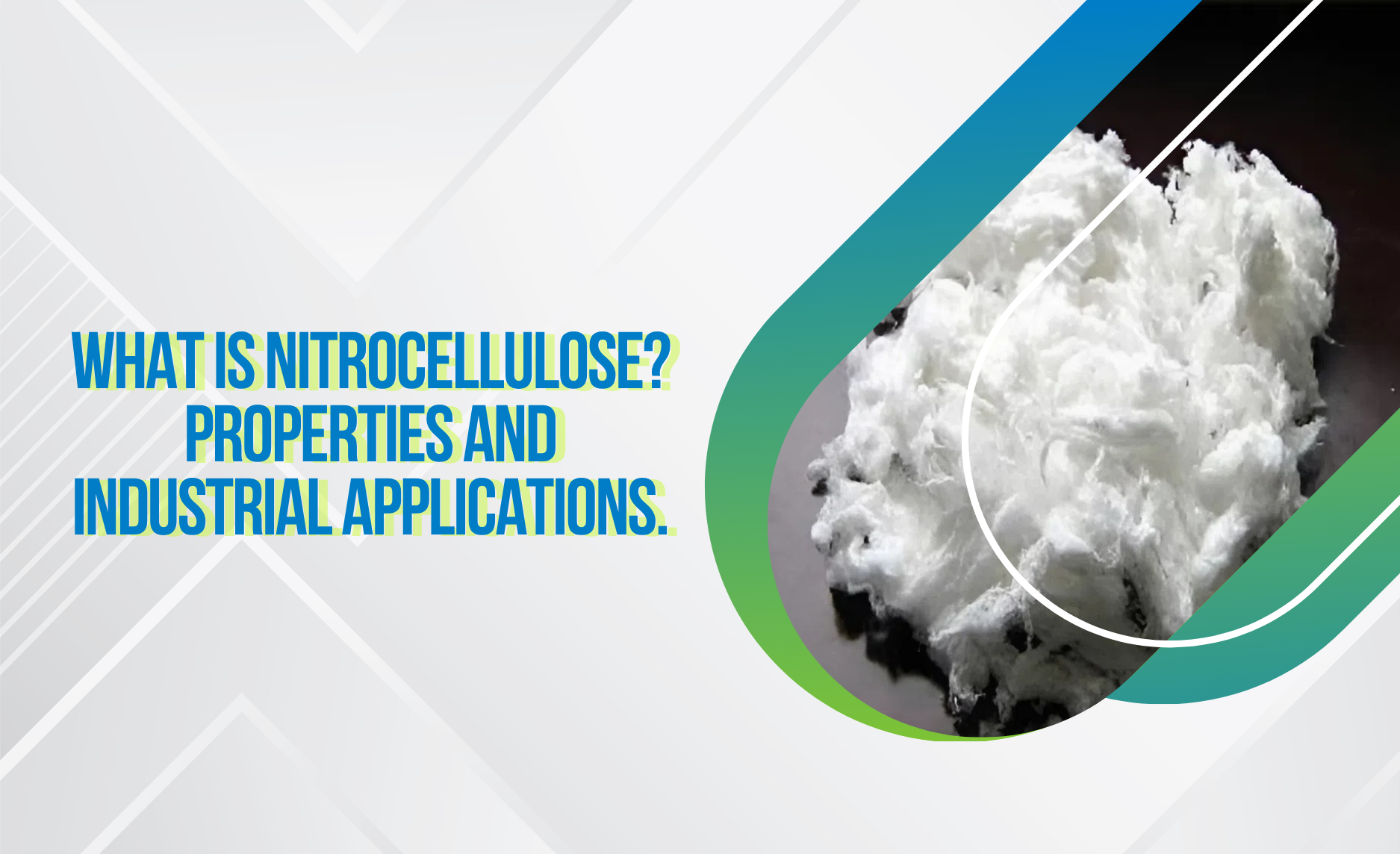
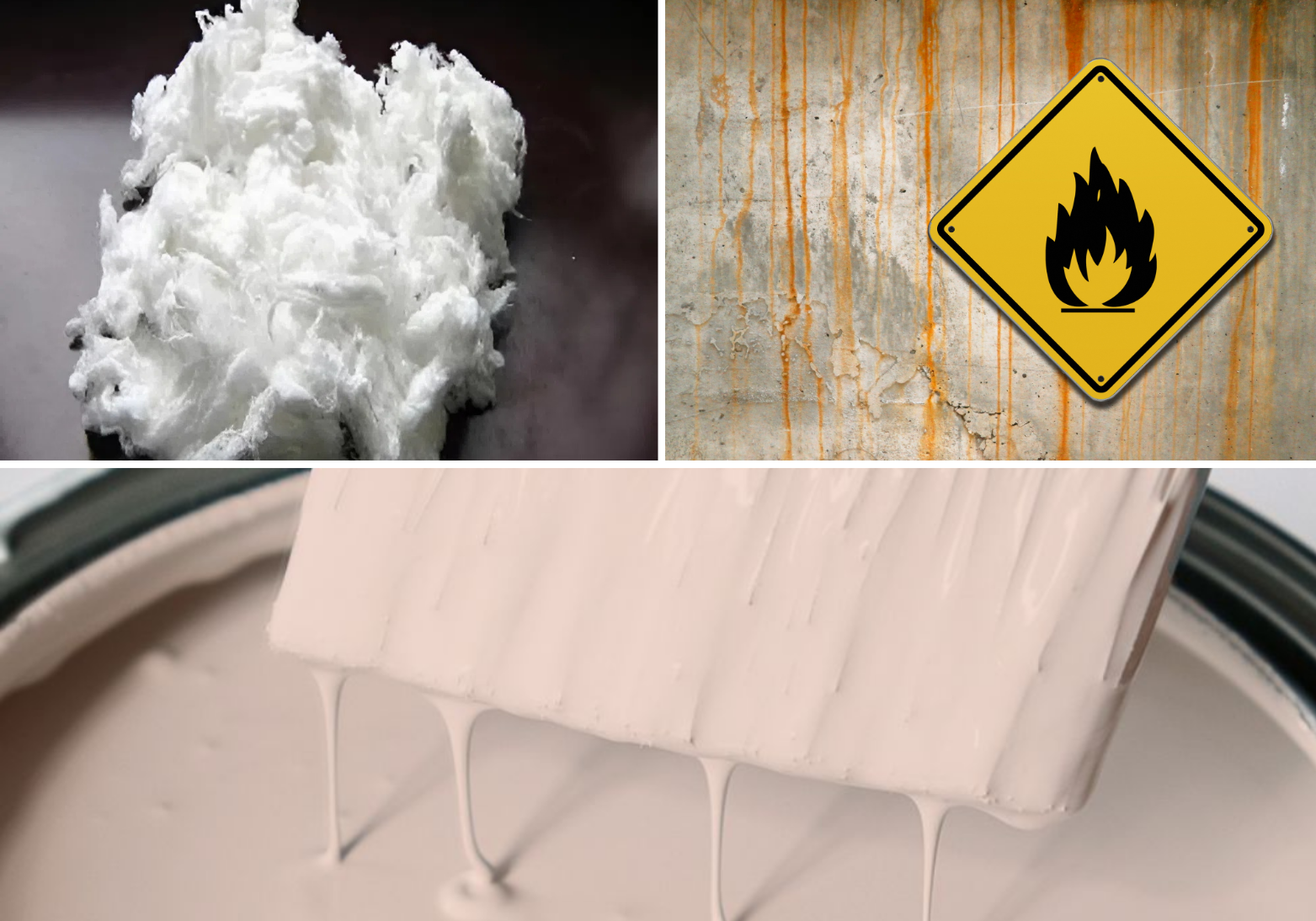
This modification makes the material highly flammable. At the same time, it provides excellent film-forming ability. Nitrocellulose typically appears as white, cotton-like fibers. In industry, it is usually kept in a wet state to reduce fire risk.

Chemical Nature and Structure
Each glucose unit in cellulose has three –OH groups. These groups can be nitrated to different extents.
Depending on the number of nitrate groups, nitrocellulose is classified into:
- Mononitrocellulose
- Dinitrocellulose
- Trinitrocellulose
The higher the nitrogen content, the greater the combustion energy. This factor determines the material’s applications.
IMPORTANT PROPERTIES OF NITROCELLULOSE
Physical Properties
Nitrocellulose appears as off-white fibers or powder. It is lightweight and has a porous surface. Its density varies depending on the degree of nitration. The value can fluctuate widely depending on the product type.
One very important characteristic is its solubility in organic solvents, such as acetone or ethyl acetate. When the solvent evaporates, nitrocellulose forms a thin film. This film is transparent and has good adhesion. This is the basis for its application in coatings and printing inks.
Chemical Properties
Nitrocellulose is highly flammable. It can ignite at relatively low temperatures. A unique feature is that it does not require oxygen from the air to burn. The molecule already contains oxygen within the nitrate groups.
Therefore, combustion occurs very rapidly and intensely. This makes it classified as an energetic material. In addition, the material can decompose over time. This process generates nitric acid, increasing the risk of instability.
Film-Forming Ability
Nitrocellulose has excellent film-forming capability. When dry, the film has high gloss and strong adhesion. However, the film tends to be brittle. Therefore, plasticizers are often added in practice to improve flexibility. Its fast-drying property is also a major advantage, helping increase production speed in the coatings industry.
Energetic Properties
Nitrocellulose is an energetic polymer. It contains both oxidizing and reducing groups within the same structure. As a result, combustion can occur without an external oxygen source. This is why it is used in smokeless powder and propellants.
NITROCELLULOSE PRODUCTION PROCESS
The main raw material is purified cellulose, typically sourced from cotton or wood pulp. Purity is very important, as impurities reduce the quality of the final product.
Cellulose is immersed in a mixture of nitric acid and sulfuric acid. Nitric acid provides nitrate groups, while sulfuric acid removes water and promotes the reaction. This process replaces –OH groups with –ONO₂ groups, producing nitrocellulose with varying degrees of nitration.
After the reaction, the product must be thoroughly washed multiple times. Residual acid can cause self-decomposition and pose safety risks. In modern production, the stabilization step is strictly controlled.
APPLICATIONS
Coatings Industry
This is the largest application of nitrocellulose. Thanks to its film-forming ability, it is used in wood coatings, metal coatings, and industrial paints. The coatings have high gloss and fast drying properties, helping reduce production time. It is also used in nail polish due to its safety on skin.
Printing Ink Industry
Nitrocellulose is a key component in many printing inks. It improves adhesion to surfaces and enables fast drying. This is especially important in high-speed packaging printing.
Adhesives Industry
Nitrocellulose has good solubility and bonding properties. Therefore, it is used in the production of industrial adhesives.
These adhesives typically have fast drying times and strong adhesion.
Explosives and Defense Industry
Nitrocellulose is a primary component of smokeless powder. It is also used in propellants and industrial explosives. Its rapid and stable combustion is a critical factor in these applications.

Plastics and Polymer Materials Industry
Nitrocellulose was once the basis of celluloid plastics. This material was used to produce photographic film and early plastic products. Today, this application has declined due to fire safety concerns.
WHY NITROCELLULOSE IS IMPORTANT IN INDUSTRY
Nitrocellulose is a multifunctional material. It is both a polymer and an energetic material. In the coatings industry, it increases production speed. In printing, it enhances surface quality. In defense, it serves as a foundation for modern gunpowder. Thanks to the combination of mechanical and chemical properties, nitrocellulose continues to be widely used today.
CONCLUSION
Nitrocellulose is a unique material in the chemical industry. It has distinctive properties and a wide range of applications. However, its benefits come with significant safety risks. Therefore, understanding its nature and proper handling is essential.
For businesses, it is not just a raw material. It directly impacts product quality and production efficiency.
VICHEM – AUTHORIZED DISTRIBUTOR OF CHEMICAL ADDITIVES FROM MAJOR BRANDS SUCH AS COVESTRO, SINOPEC, BUHLER,… IN VIETNAM
Vichem is an authorized distributor of chemical additives from major brands such as Covestro, Sinopec, Buhler,… in the Vietnamese market. We not only provide high-quality products but also deliver after-sales services that meet international standards.
For more information about our products, please contact us via the following channels:
📞 Hotline: 08 1790 1790
📧 Email: contact@vichem.vn
🔎 LinkedIn: Vichem JSC
🌐 Website: www.vichem.vn
📌 Facebook: Vichem JSC