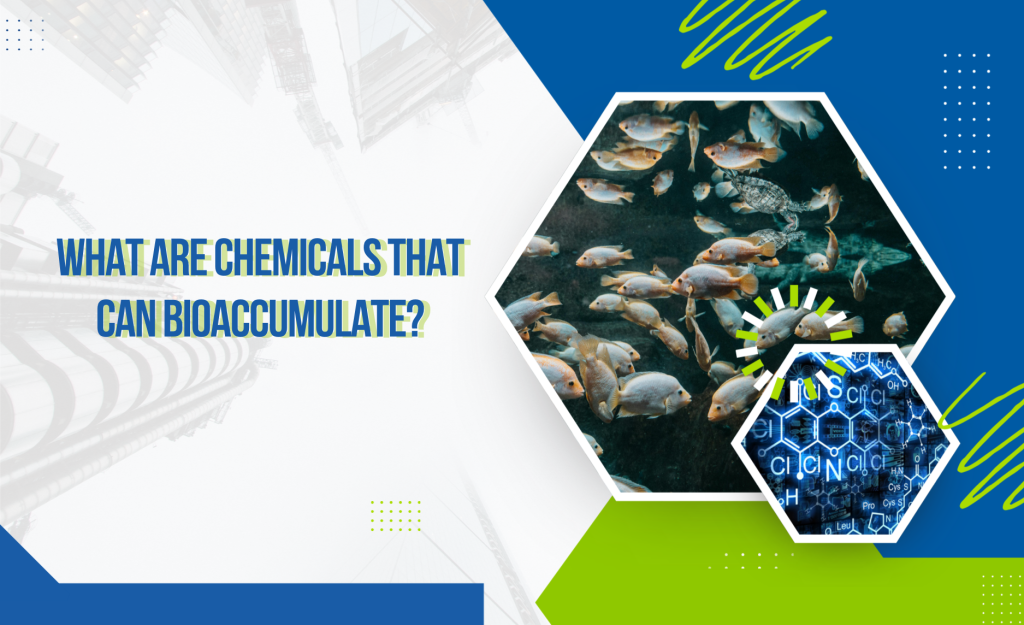
In modern industrial production, many chemicals do not only cause toxicity immediately upon exposure. Some substances also have the ability to accumulate in living organisms over extended periods. This phenomenon is known as bioaccumulation.
What is concerning is that many bioaccumulative chemicals are extremely difficult to degrade naturally. They can persist for many years in soil, water, and the food chain. Once inside the human body, these substances often gradually accumulate in fatty tissues or internal organs.
Today, many international organizations have classified these chemicals as substances requiring strict control. This is also a major concern in the chemical, food, and industrial environmental sectors.
WHAT ARE BIOACCUMULATIVE CHEMICALS?
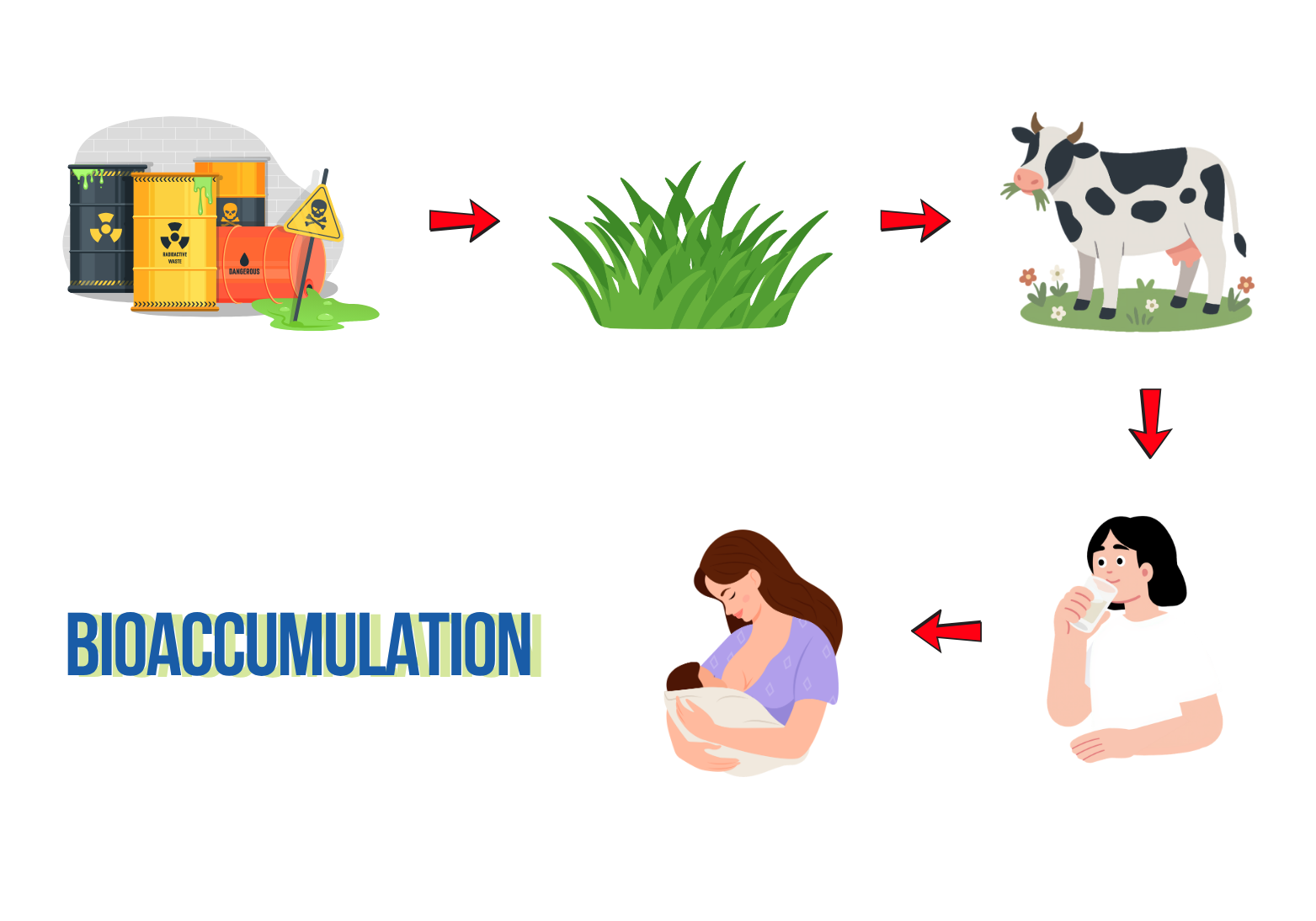
Bioaccumulative chemicals are substances capable of remaining in living organisms for long periods. According to the EPA, these substances are typically resistant to degradation and tend to accumulate over time. When organisms are continuously exposed to chemicals, the absorption rate may exceed the body’s natural elimination rate. As a result, chemical concentrations gradually increase in the body over time.
The accumulation process often occurs silently over months or even years. Individuals exposed to these chemicals may not realize that their bodies are accumulating toxic substances daily. Some chemicals can also biomagnify throughout the food chain. This means that chemical concentrations in higher-level organisms become significantly greater than those in the original environment.
WHY IS BIOACCUMULATION A DANGEROUS ISSUE?
Unlike acute poisoning, bioaccumulation usually causes slower health effects. However, the level of danger can be extremely serious with prolonged exposure. Many chemicals accumulate in fatty tissues and remain in the body for very long periods. Some substances may take years before they can be significantly eliminated.
What makes this particularly dangerous is that many chemicals do not produce obvious symptoms in the early stages. By the time health effects become noticeable, the damage may already be severe.
In addition to human health impacts, bioaccumulative chemicals also strongly affect ecosystems. They can spread through water, soil, and food chains over long periods. This is why many countries strictly regulate chemical groups with high environmental bioaccumulation potential.
CHARACTERISTICS OF BIOACCUMULATIVE CHEMICALS
Resistant to Natural Degradation
Many bioaccumulative chemicals have highly stable molecular structures. They are difficult to break down by sunlight, microorganisms, or common chemical reactions. Some substances can remain in soil or water environments for decades. This creates a continuous long-term exposure risk.
Highly Fat-Soluble
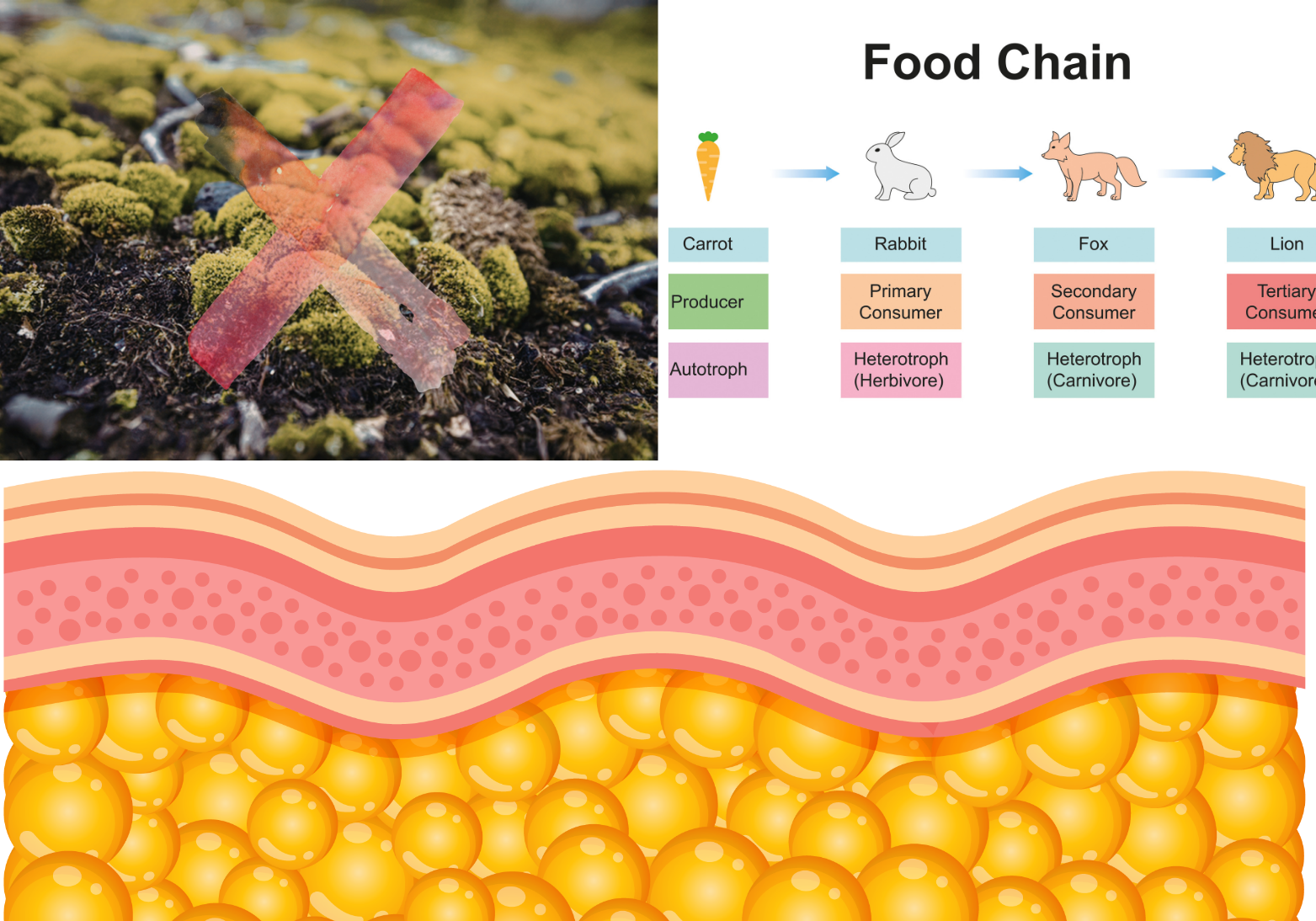
Most bioaccumulative chemicals are highly soluble in fats and oils. Therefore, they often accumulate in the fatty tissues of organisms after absorption. When the body cannot eliminate them quickly, chemical concentrations gradually increase over time. This is the primary mechanism behind bioaccumulation today.
Capable of Spreading Through the Food Chain
Some chemicals can move from water or soil into smaller organisms. They then continue accumulating in higher-level animals within the food chain. This phenomenon is known as biomagnification. It is the reason why many predatory animals contain extremely high chemical concentrations in their bodies.
CHEMICAL GROUPS WITH HIGH BIOACCUMULATION POTENTIAL
Heavy Metals
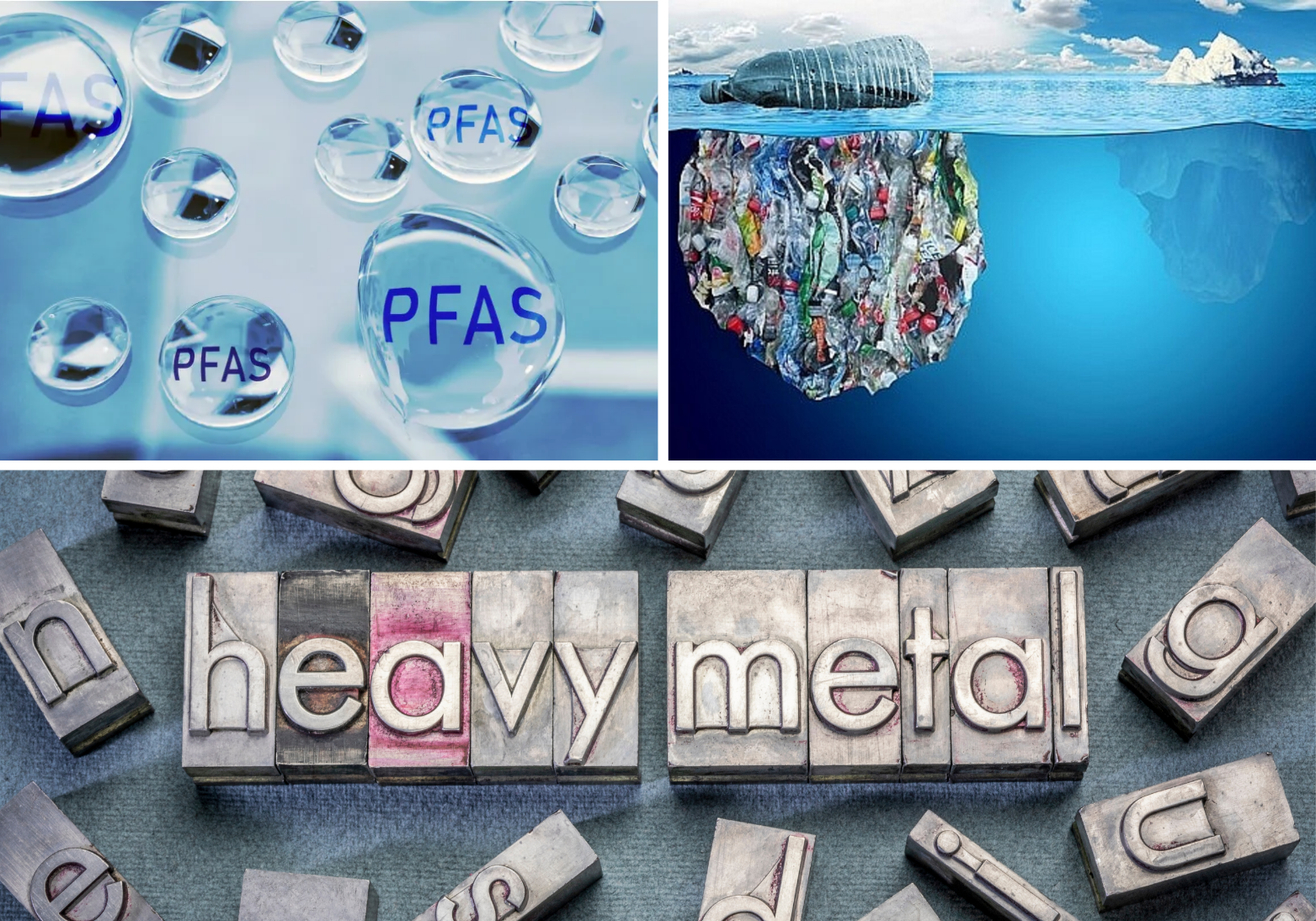
Mercury, lead, and cadmium are typical examples of bioaccumulative chemicals. These metals can remain in the bodies of humans and animals for very long periods.
Mercury commonly affects the nervous system and brain. Meanwhile, lead can severely impact blood and the central nervous system.
Cadmium poses a high risk of kidney damage when accumulated over long periods. These chemicals are currently subject to very strict industrial regulations.
POPs in Industry
POPs are persistent organic pollutants. According to UNEP, this group of chemicals has extremely high persistence and bioaccumulation potential in the environment.
Many POP compounds were previously used in pesticides and industrial manufacturing. Common examples include PCBs, dioxins, and DDT.
These substances can spread over very long distances through air and water sources. They can also persist for many years in soil and living organisms.
PFAS
PFAS are currently referred to as “forever chemicals” in many international studies. These compounds possess extremely strong water- and oil-resistant properties. They are used across various industries, including non-stick manufacturing, textiles, and firefighting equipment.
What is concerning is that PFAS are extremely difficult to degrade in natural environments. Many studies indicate that they can remain in human blood for extended periods.
HOW DO THEY AFFECT HUMAN HEALTH?
Effects on the Nervous System
Many bioaccumulative chemicals can directly affect the brain and nervous system. Children are often the most sensitive group to these chemicals.
Long-term exposure may cause memory impairment and behavioral disorders. In some cases, it may also affect neurological development in young children.
Effects on the Liver and Kidneys
The liver and kidneys are the organs responsible for processing and eliminating toxins from the body. As a result, they are also highly vulnerable to bioaccumulative chemicals.
Some chemicals may damage liver cells after prolonged exposure. In addition, the risk of kidney dysfunction may increase significantly.
Effects on the Endocrine and Reproductive Systems
Certain industrial compounds can disrupt endocrine functions. They may interfere with hormones and reproductive health.
Many studies show that long-term exposure may increase the risk of infertility or affect fetal development. This is currently a major area of concern.
HIGH-RISK INDUSTRIES
The industrial chemical sector is one of the industries with the highest risk of exposure to bioaccumulative substances. Workers are frequently exposed to solvents, additives, and surface treatment compounds.
In addition, the electronics and metallurgy industries also use large amounts of heavy metals during production. Without proper control, chemicals may be released into the surrounding environment.
The industrial waste treatment sector also faces similar risks. Many pollutants can persist for long periods if not treated according to proper technical procedures.
In the food industry, bioaccumulation risks are often associated with water sources and food chains. This is why many countries currently enforce strict regulations on chemical residues in food products.
SOLUTIONS FOR CONTROLLING BIOACCUMULATIVE CHEMICALS
Today, many businesses are shifting toward safer chemical alternatives in manufacturing. This trend is strongly driven by international environmental standards. In addition, wastewater and exhaust gas treatment systems also play a critical role. Without proper control, chemicals may continue spreading into the environment over long periods.
Businesses also need to monitor workers’ exposure levels more frequently. This helps detect early signs of chemical accumulation in the body. Furthermore, specialized PPE remains an essential solution in many hazardous production environments. Selecting the right equipment can significantly reduce the risk of direct chemical exposure.
CONCLUSION
Bioaccumulative chemicals are among the most dangerous substances in modern industry. They not only affect human health but also create long-term environmental impacts. What is particularly concerning is that many chemicals can remain in the body and food chain for extended periods. Exposed individuals often fail to recognize the risks during the early stages.
Therefore, businesses must strictly control the use and handling of chemicals during production. Choosing appropriate safety solutions can significantly reduce long-term exposure risks.
VICHEM – AUTHORIZED DISTRIBUTOR OF CHEMICAL ADDITIVES FROM LEADING BRANDS SUCH AS COVESTRO, SINOPEC, BUHLER, … IN VIETNAM
Vichem is an authorized distributor of chemical additive products from leading brands such as Covestro, Sinopec, Buhler, and others in the Vietnamese market. We not only provide high-quality products but also deliver after-sales services that meet international standards.
For more information about our products, please contact us through the following channels:
📞 Hotline: 08 1790 1790
📧 Email: contact@vichem.vn
🔎 LinkedIn: Vichem JSC
🌐 Website: www.vichem.vn
📌 Facebook: Vichem JSC