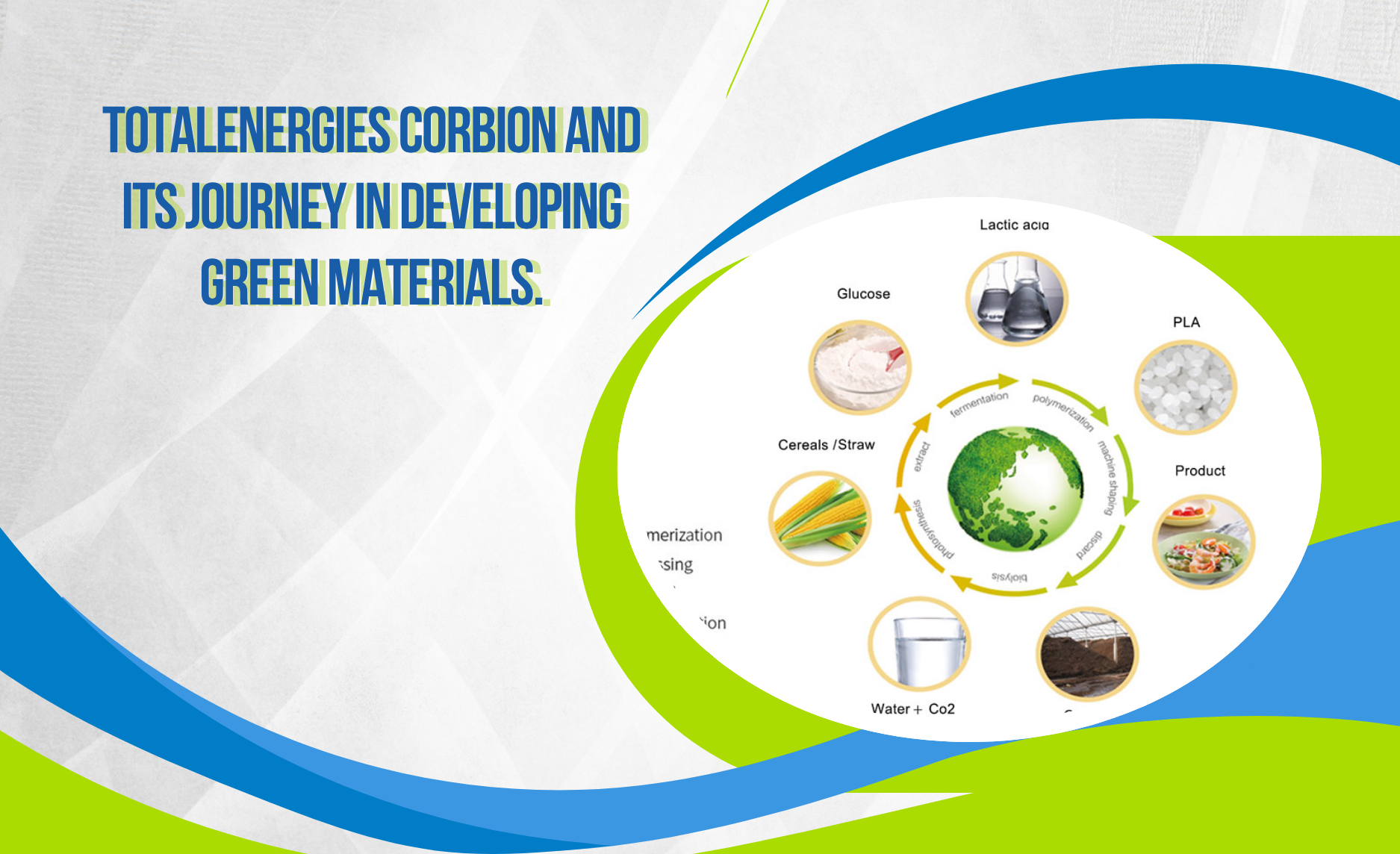
As the plastics industry faces increasing pressure to reduce emissions, bio-based materials are becoming an important direction. Many companies are shifting toward more sustainable solutions to meet market demands.
Among them, TotalEnergies Corbion is one of the pioneers. The company not only develops PLA materials but also builds an entire ecosystem around green materials.
THE ORIGIN OF PLA PLASTICS
PLA, or Polylactic Acid, is one of the most widely used bio-based materials today. The key difference of PLA lies in its raw material origin.
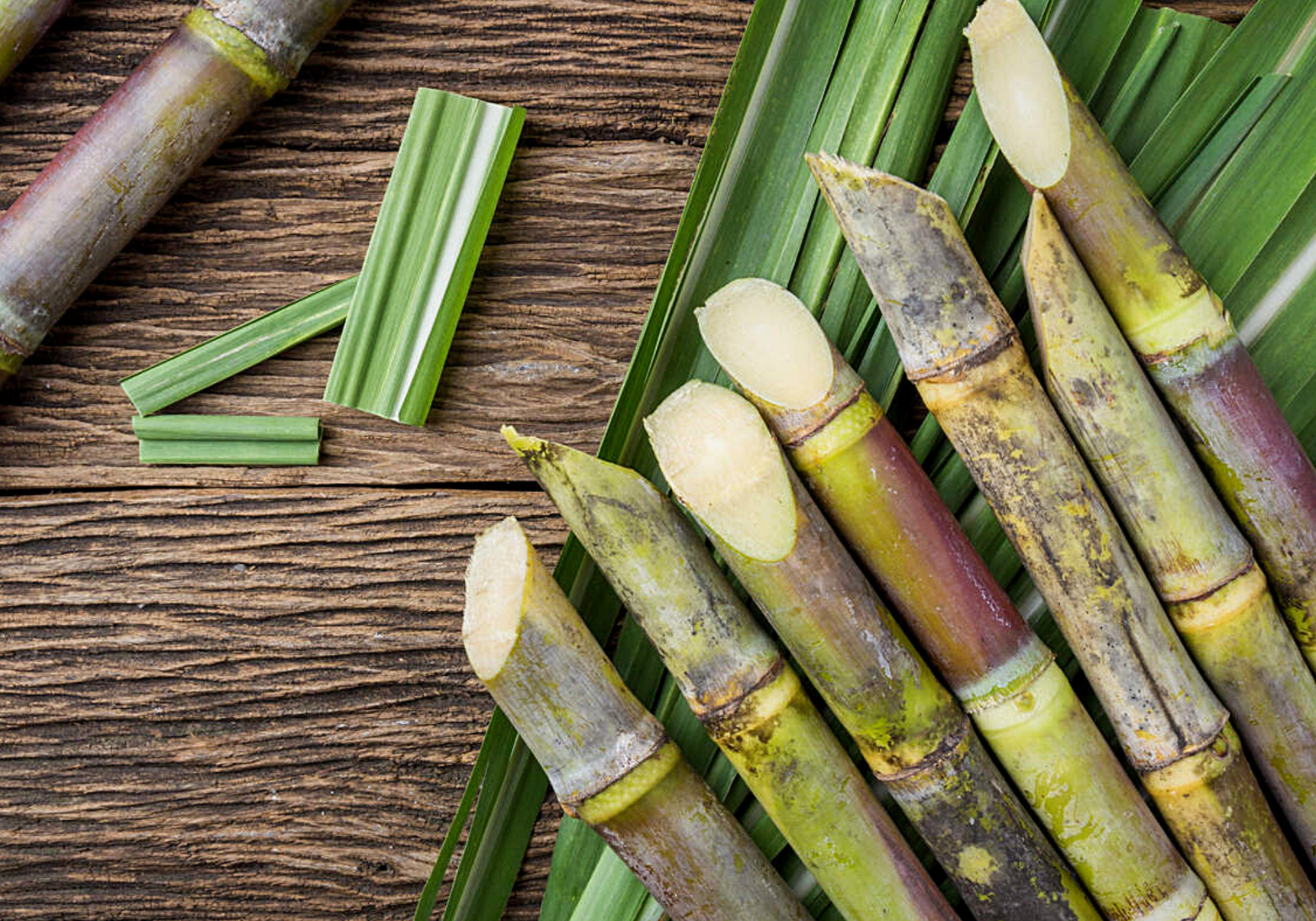
Unlike conventional plastics derived from petroleum, PLA is produced from renewable resources such as sugarcane, corn, or starch. This makes the material more environmentally friendly from the very beginning of its lifecycle.
HOW IS PLA PRODUCED?
The production of PLA begins with extracting sugars from biological feedstocks. These sugars are then fermented to produce lactic acid.
Lactic acid is a natural compound that serves as an intermediate building block for polymer production. After this step, the molecules are linked together through polymerization to form PLA. The final result is PLA resin pellets, which can be directly used in processing technologies such as injection molding, extrusion, or film blowing.
IS PLA TRULY “BIODEGRADABLE”?
A common misconception concerns the biodegradability of PLA. In essence, PLA is biodegradable, but this does not occur under all conditions. For effective decomposition, PLA requires an industrial environment with controlled temperature and humidity. Under typical natural conditions, the process occurs very slowly.
Therefore, properly understanding its biodegradability is crucial when applying PLA in practice.
THE ROLE OF PLA IN CARBON EMISSION REDUCTION
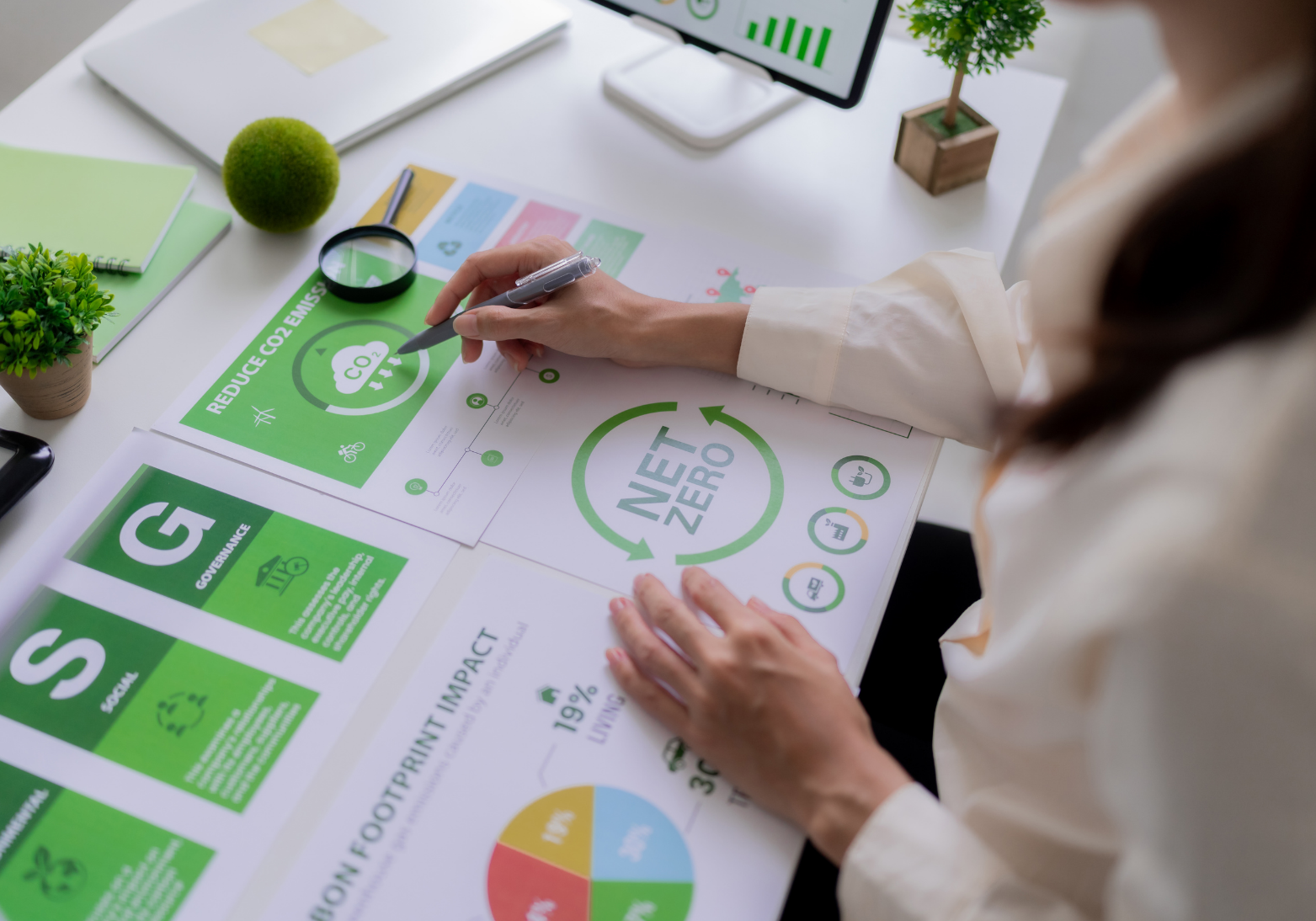
A key aspect of green material development is reducing greenhouse gas emissions. PLA has a clear advantage over conventional petrochemical plastics. Because it is made from renewable resources, PLA can significantly reduce CO₂ emissions throughout its lifecycle. In many cases, reductions can reach up to 70% compared to traditional plastics.
This enables companies using PLA to more easily comply with increasingly stringent environmental standards. In particular, carbon footprint has become an important criterion in the packaging industry.
CHALLENGES IN DEVELOPMENT
Despite its potential, PLA still faces several challenges. One of them is heat resistance. Compared to engineering plastics, PLA remains limited in high-performance applications.
In addition, post-use processing infrastructure is another issue that needs to be addressed. Not all markets have suitable industrial composting systems. However, these challenges are gradually being improved through technological advancements and industry collaboration.
THE FUTURE OF GREEN MATERIALS
Green materials are no longer a short-term trend. They are becoming an essential part of the industry. TotalEnergies Corbion continues to invest in research and development, with the goal of expanding application ranges and improving PLA performance.
In the future, PLA may replace more conventional plastics, contributing to reducing pressure on the environment.
LUMINY® PLA – A MATERIAL PLATFORM FOR MULTIPLE APPLICATIONS
The Luminy® PLA product line is developed as a flexible material platform. Instead of offering a single PLA type, this system is designed according to specific application groups.
PLA can be used in flexible packaging, rigid packaging, textile fibers, or consumer products. Thanks to its tunable structure, the material can meet different requirements in terms of stiffness, transparency, and processability. This enables PLA to gradually replace plastics such as PET, PP, or PS in many practical applications.
CONCLUSION
The green material development journey of TotalEnergies Corbion goes beyond PLA production. It represents a comprehensive strategy that includes technology, products, and ecosystem development.
Understanding this journey helps businesses recognize the potential of bio-based materials. At the same time, it opens up opportunities to adopt sustainable solutions in manufacturing. PLA is not just an alternative—it is becoming a foundation for the future of the plastics industry.
VICHEM – AUTHORIZED DISTRIBUTOR OF LUMINY® VIRGIN PLA PRODUCTS FROM TOTALENERGIES CORBION IN VIETNAM
Vichem is the authorized distributor of Luminy® virgin PLA products from TotalEnergies Corbion in the Vietnamese market. We not only provide high-quality products but also deliver after-sales services that meet international standards.
For more information, please contact us via the following channels:
📞 Hotline: 08 1790 1790
📧 Email: contact@vichem.vn
🔎 LinkedIn: Vichem JSC
🌐 Website: www.vichem.vn
📌 Facebook: Vichem JSC