Transporting industrial chemicals is a high-risk activity. Even small mistakes can cause fire, explosions, leaks, or health hazards.
Therefore, companies must comply with many safety requirements. These requirements often involve hazard classification, warning labels, safety data sheets, packaging, transport vehicles, and emergency response measures.
DEFINITION
Safety standards for transporting chemicals are a set of requirements designed to control risks throughout the delivery process. These requirements include hazard identification, proper packaging, clear labeling, and preparation of emergency response plans.
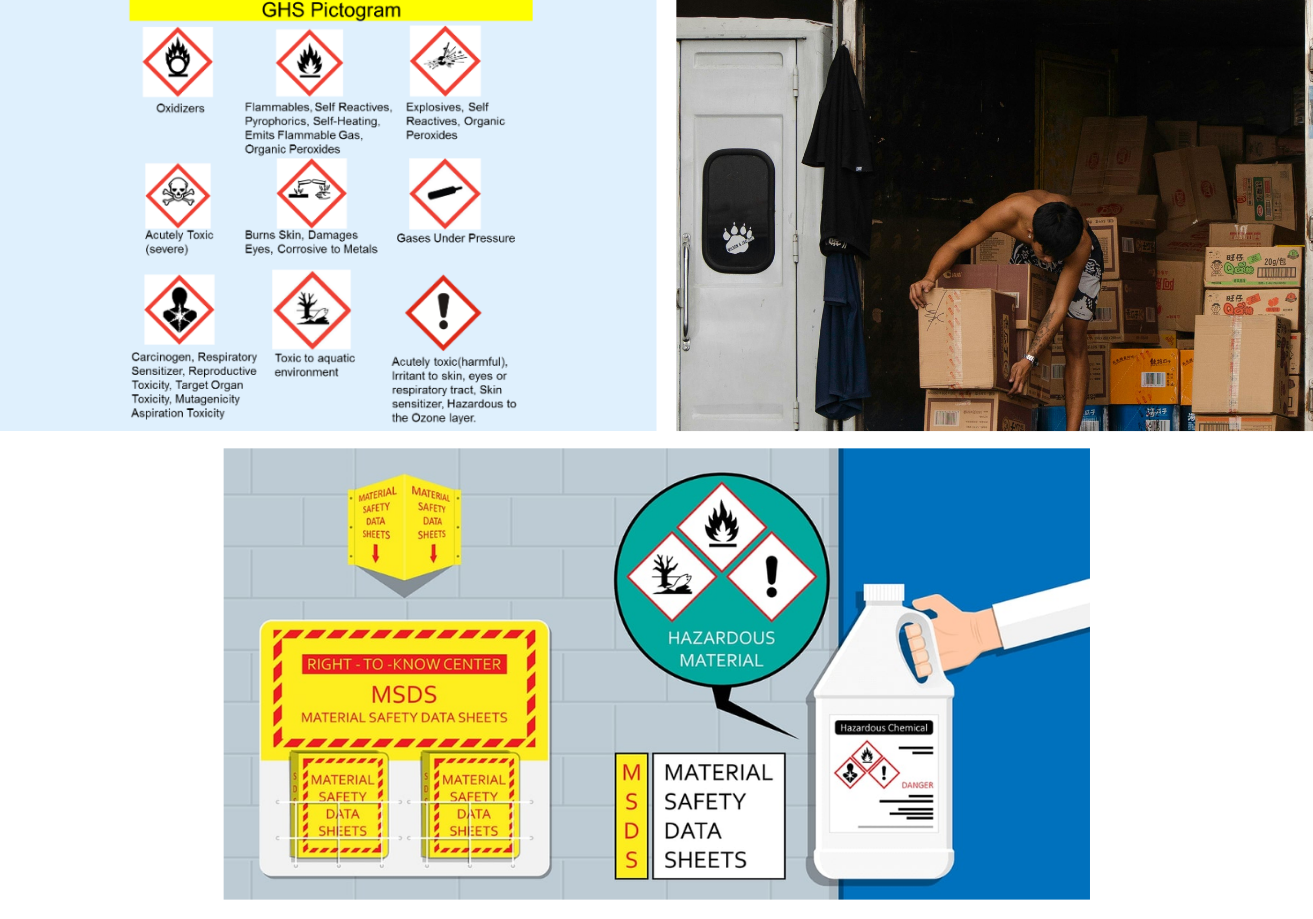
At the international level, the United Nations GHS system is an important foundation for the classification and communication of chemical hazards. GHS uses labels, signal words, hazard statements, and Safety Data Sheets to help workers and transport operators recognize risks.
In the transport of dangerous goods, the United Nations also provides recommendations on classification, proper shipping names, packing groups, and packaging principles. Specialized transport systems such as maritime and air transport are built on this foundation.

IMPORTANT SAFETY STANDARDS FOR CHEMICAL TRANSPORTATION
Correct classification of hazard levels
The first step is correct chemical classification. If classification is incorrect, companies may select the wrong packaging, labels, and emergency handling methods.
According to the United Nations model for dangerous goods transport, hazardous materials are divided into hazard classes. In addition, there are packing groups PG I, PG II, and PG III, corresponding to high, medium, and low hazard levels.
Clear labeling and hazard warnings
Hazardous chemicals must have labels so that people handling them can recognize potential risks. The GHS system uses pictograms, signal words, and hazard statements to communicate hazards in a consistent way.
OSHA also states that employers must ensure hazardous chemicals are properly labeled and that Safety Data Sheets are available to workers. This approach aligns with the GHS framework for hazard communication.
In practical transportation, outer packaging must also include markings and transport labels appropriate for the type of goods. For air shipments, IATA DGR provides guidance on classification, marking, labeling, and documentation for dangerous goods shipments.
Safety Data Sheets must be complete
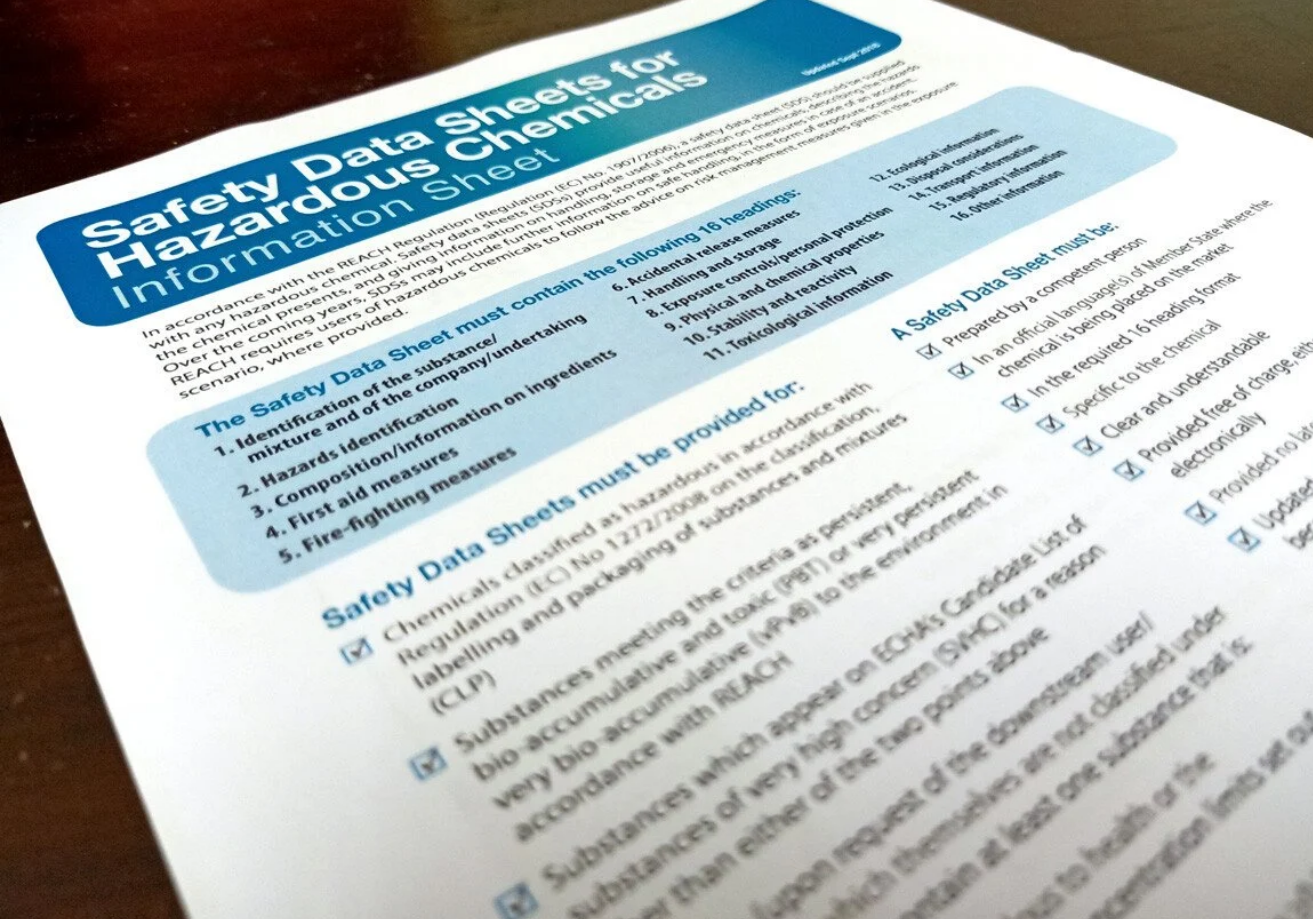
The Safety Data Sheet, commonly called SDS, is a very important document. It provides information on chemical properties, hazards, protective measures, spill handling, firefighting, and transport considerations.
According to OSHA, the harmonized SDS format contains 16 sections. This structure helps users quickly find essential information during storage, handling, and transportation.
Companies should verify the SDS against the actual condition of the shipment before dispatch. This serves as the basis for selecting PPE, packaging materials, and response methods in case of leaks.
Packaging and containers must be suitable.
Packaging is the first layer of risk control. Inappropriate packaging can cause cracks, leaks, or reactions with the chemical inside.
United Nations recommendations for the transport of dangerous goods provide general principles for packaging in containers, IBCs, and large packagings. The selected packaging type must match the characteristics of the goods and the chemical’s packing group.
The means of transport must meet safety requirements.
Transport safety does not depend only on packaging. Vehicles must also be suitable for the type of chemical, the transport route, and operating conditions.
Vietnamese regulations and related standards also emphasize inspections before loading goods onto vehicles. Both the cargo owner and the person responsible for the vehicle must check safety conditions before transportation.
Records and documents must be consistent.
A safe chemical shipment requires a complete documentation set. This usually includes compliant labels, SDS, cargo identification information, emergency handling instructions, and required permits or transport documents depending on the transport mode.
For air transport, IATA provides documentation standards for dangerous goods shipments. This allows shippers, airlines, and ground handling units to perform consistent verification before accepting the shipment.
Companies should ensure consistency between labels, SDS, transport documents, and dispatch orders. If these documents contradict each other, the risk of shipment rejection or incorrect emergency response will increase. This is a practical inference based on the requirement for consistency in classification, labeling, and safety documentation within the systems mentioned above.
SOLUTIONS TO HELP COMPANIES IMPROVE SAFETY COMPLIANCE
Standardizing the chemical inventory
Companies should create a chemical inventory using technical names, UN numbers if available, hazard classes, packing groups, and storage requirements. This approach helps reduce confusion during shipment handling and documentation preparation.
Checking SDS before each shipment
Many companies have SDS documents but do not review updated versions. Checking the SDS version before dispatch ensures that emergency and protection measures remain appropriate.
Regular training for relevant personnel
Training should not only apply to drivers. Packers, handlers, warehouse staff, and documentation teams should also understand the basic hazards of the chemicals they manage.
Preparing practical emergency response plans
Companies should prepare spill response kits, PPE, and emergency contact instructions in advance. This approach aligns with the logic of SDS and hazard communication systems, which all require procedures for incident response and worker protection.
CONCLUSION
Safety standards for transporting industrial chemicals are not only documentation requirements. They form a comprehensive risk control system that includes classification, warning labels, SDS, packaging, vehicles, training, and emergency response.
For specific chemicals, companies should still review the SDS and applicable legal requirements for the transport route. A safe shipment always begins with correct hazard identification.
VICHEM – OFFICIAL DISTRIBUTOR OF CHEMICAL ADDITIVES FROM MAJOR BRANDS SUCH AS COVESTRO, SINOPEC, BUHLER,… IN VIETNAM
Vichem is the official distributor of chemical additive products from major brands such as Covestro, Sinopec, Buhler,… in the Vietnamese market. We not only provide high-quality products but also deliver international-standard after-sales services.
For more information about our products, please contact us through the following channels:
📞 Hotline: 08 1790 1790
📧 Email: contact@vichem.vn
🔎 LinkedIn: Vichem JSC
🌐 Website: www.vichem.vn
📌 Facebook: Vichem JSC