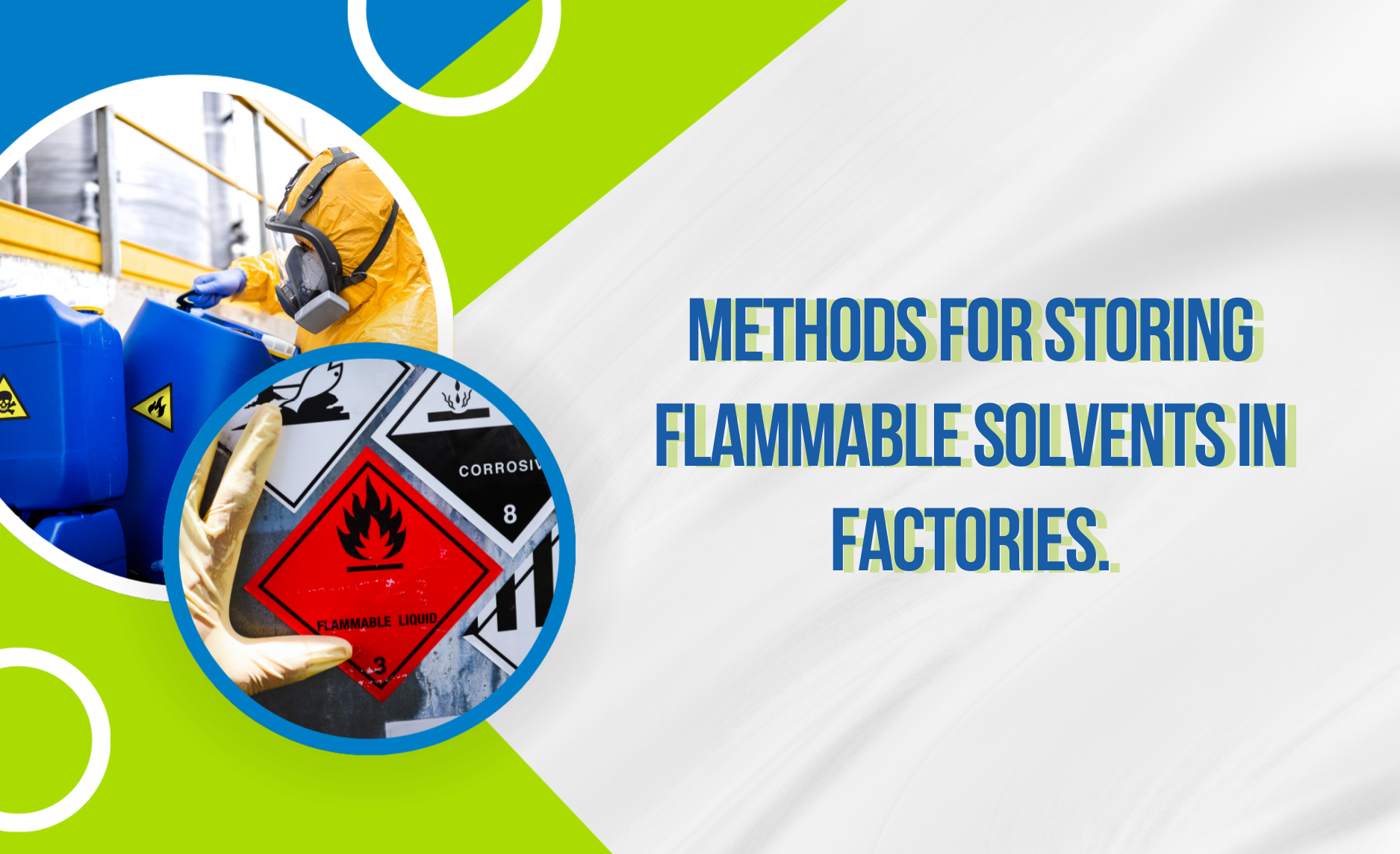
Flammable solvents are widely used across many manufacturing industries. They are present in paints, inks, plastics, and various surface treatment processes. However, their high volatility makes this group of chemicals highly susceptible to ignition.
Even a minor mistake in storage can lead to fire or explosion. In addition, solvent vapors can adversely affect workers’ health. Therefore, facilities must apply appropriate storage methods to control risks from the outset.
DEFINITION
Flammable solvents are liquids capable of evaporating and igniting at low temperatures. Common solvents include acetone, toluene, ethanol, and MEK. These substances typically have low flash points, making them highly sensitive to heat sources.
In industrial safety, solvent storage must comply with risk control principles. Standards such as NFPA 30 provide guidance on classification, storage, and fire protection. The objective is to reduce the likelihood of fire and minimize consequences if incidents occur.
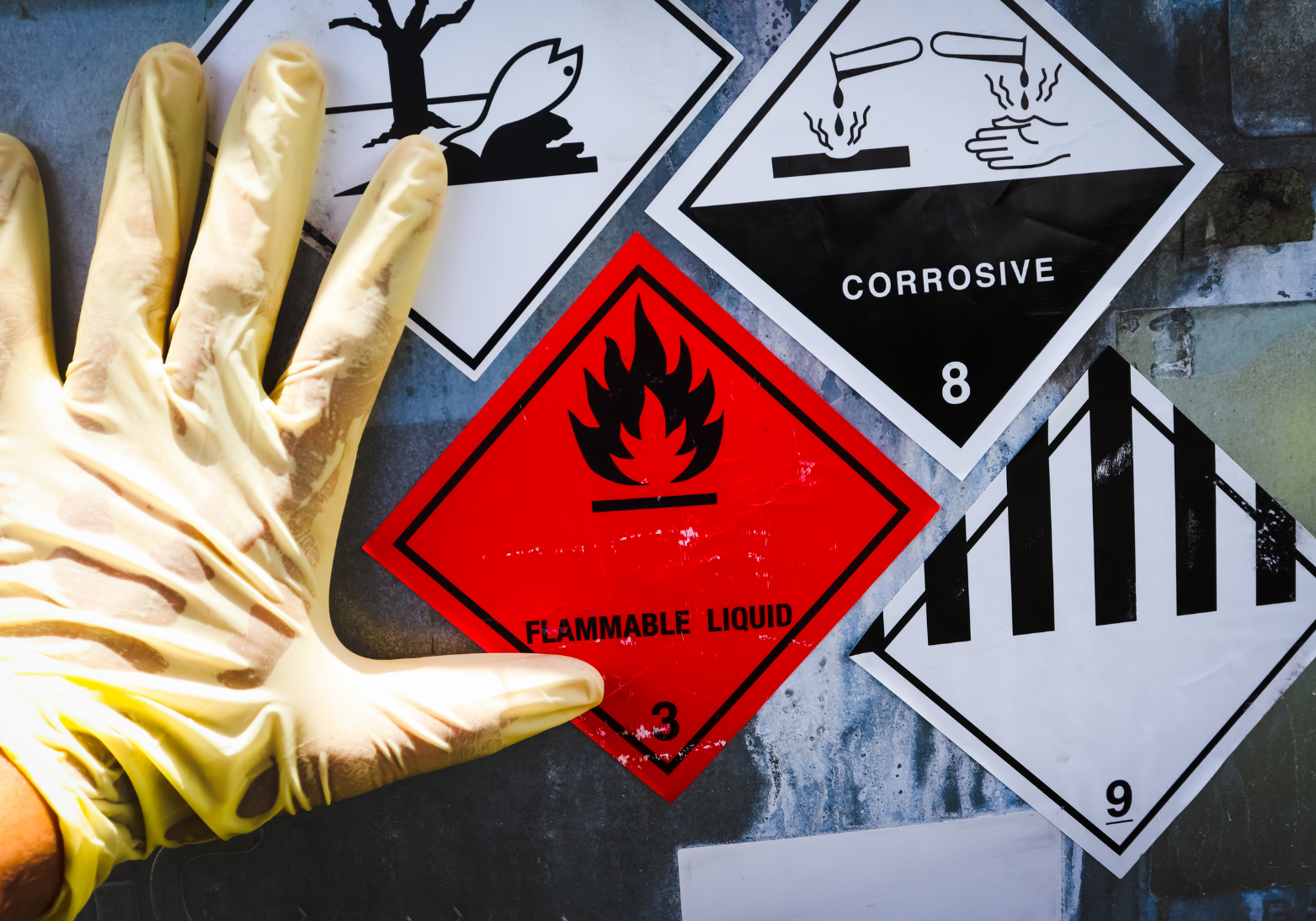
STORAGE METHODS
Storage in dedicated safety cabinets
Solvent storage cabinets are a common solution in many facilities. These cabinets are designed to be heat-resistant and to limit fire spread. In the event of an incident, they help contain solvents within a controlled area.
This method is suitable for areas with small quantities of solvents. It is commonly used in laboratories or limited production zones. Using compliant cabinets significantly reduces fire and explosion risks.
Storage in dedicated chemical warehouses
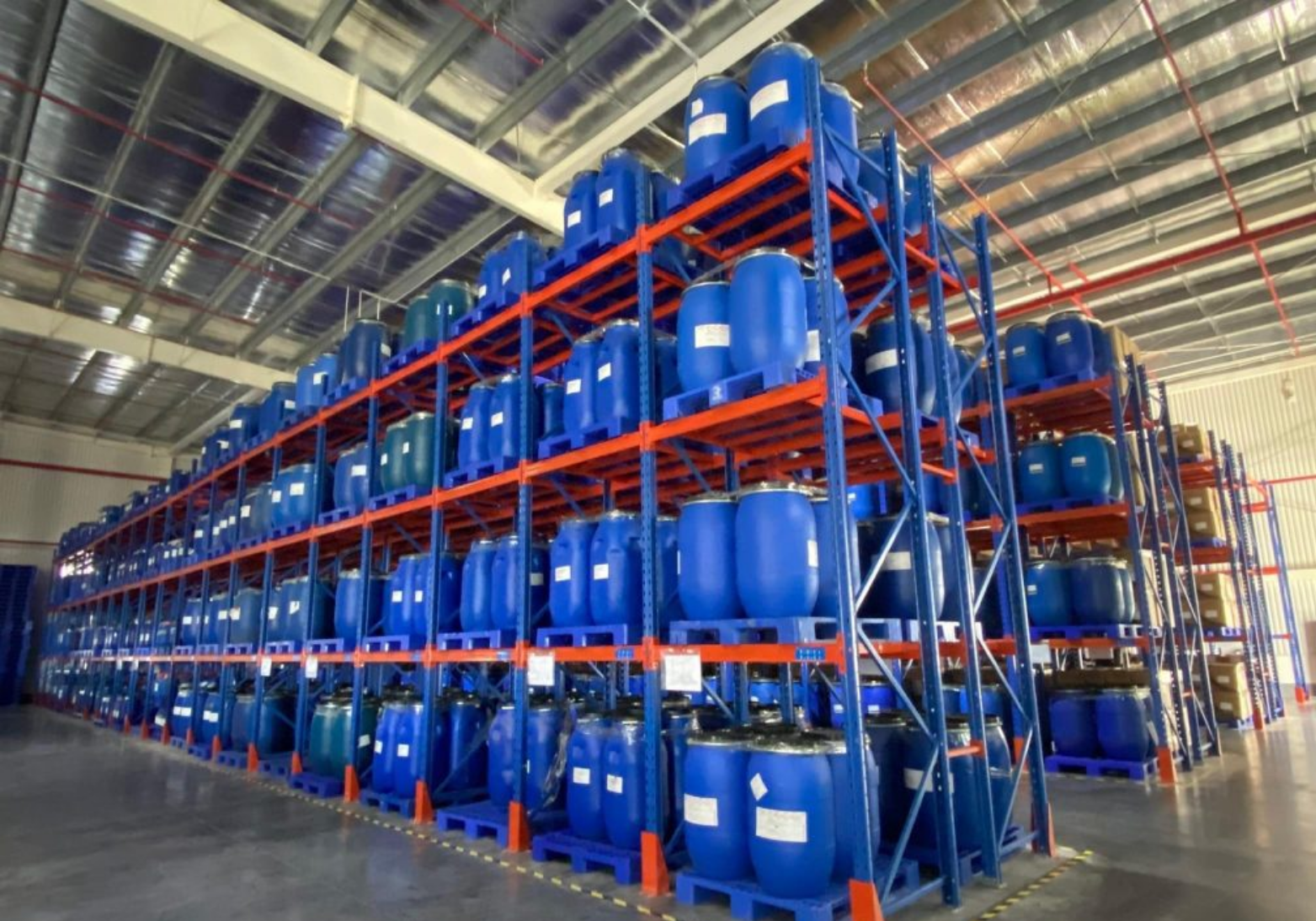
For large-scale facilities, solvents should be stored in separate warehouses. These warehouses should be isolated from the main production area. The space must be controlled and clearly marked with warning signs.
This design helps reduce the risk of fire spread. At the same time, it enables more centralized and safer solvent management.
Controlling the quantity of stored solvents
The quantity of solvents in each area must be controlled. Excessive storage significantly increases risk levels.
In practice, many facilities keep only the amount needed for daily use. The remaining quantity is stored in a central warehouse. This approach helps minimize the impact in case of an incident.
Selecting appropriate packaging and containers
Packaging is the first layer of protection for solvents. Containers must be compatible with the chemical properties of the contents. Lids must always be tightly sealed to minimize evaporation.
If inappropriate packaging is used, solvents may leak or generate flammable vapors. This increases the risk of fire and explosion within the facility.
Designing a safe ventilation system
Flammable solvents tend to evaporate quickly in enclosed environments. Without ventilation, solvent vapors can accumulate. Once they reach hazardous concentrations, even a small spark can cause ignition.
Therefore, storage areas must be equipped with appropriate ventilation systems. This helps reduce vapor concentration and enhances worker safety.
Segregation from incompatible chemicals
Flammable solvents should not be stored near chemicals that can react strongly. Certain oxidizing agents can increase the risk of fire and explosion.
Proper segregation helps prevent hazardous reactions. It also improves control in case of an incident.
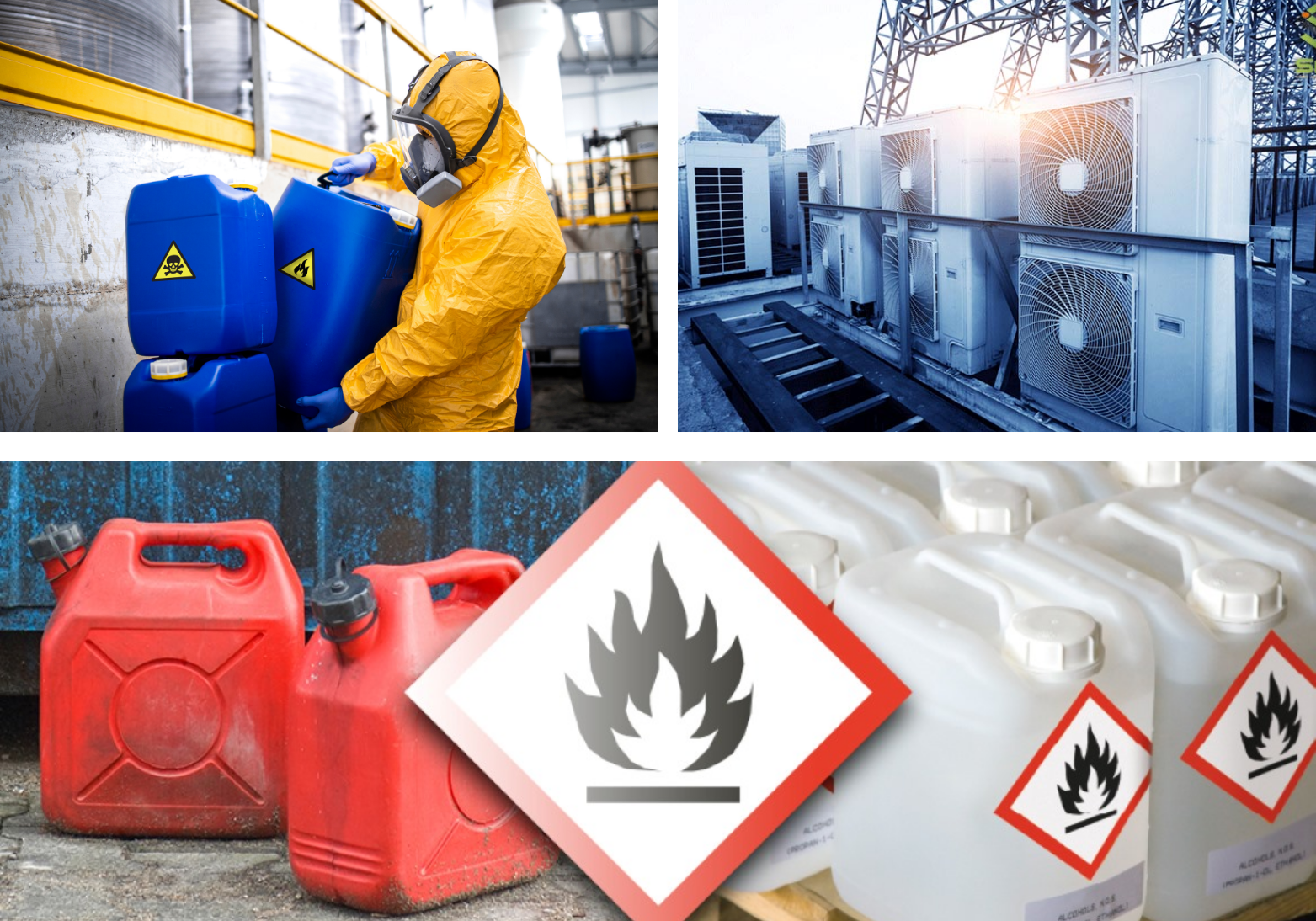
SOLUTIONS TO HELP BUSINESSES STORE SOLVENTS MORE SAFELY
Businesses should establish a clear solvent inventory from the outset. This inventory should include chemical names, hazard levels, and storage conditions. With a comprehensive information system, management becomes easier and less prone to errors.
Before each shipment, the Safety Data Sheet should be reviewed. SDS provides critical information on hazards and storage requirements. Using outdated SDS versions may lead to incorrect safety measures. Therefore, keeping information up to date is essential.
Personnel training is also a key factor in risk control. Workers need to understand the basic hazards of solvents. They must also know how to respond to leaks or fires. Regular training helps reduce accidents in the facility.
In addition, businesses should prepare incident response plans in advance. Solvent storage areas must be equipped with appropriate firefighting equipment and spill response kits. When incidents occur, rapid response can significantly reduce damage.
CONCLUSION
Flammable solvents provide many benefits in production but also pose significant risks. Safe storage must be implemented systematically. Key factors include storage location, packaging, ventilation, and quantity control.
In practice, no single solution is sufficient. Businesses must combine multiple measures to effectively control risks. When these factors are implemented consistently, the risk of fire and explosion is significantly reduced.
VICHEM – AUTHORIZED DISTRIBUTOR OF CHEMICAL ADDITIVES FROM MAJOR BRANDS SUCH AS COVESTRO, SINOPEC, BUHLER,… IN VIETNAM
Vichem is an authorized distributor of chemical additives from major brands such as Covestro, Sinopec, Buhler,… in the Vietnamese market. We not only provide high-quality products but also deliver after-sales services that meet international standards.
For more information about our products, please contact us via the following channels
📞 Hotline: 08 1790 1790
📧 Email: contact@vichem.vn
🔎 LinkedIn: Vichem JSC
🌐 Website: www.vichem.vn
📌 Facebook: Vichem JSC