In different coating systems, gloss is not only determined by the resin but is also strongly influenced by additives. One of the most critical factors is the matting agent.
Many people understand that matting agents reduce gloss, but do not fully grasp how they work. In reality, this effect arises from the interaction between light and the microstructure of the surface.
A clear understanding of the light scattering mechanism allows precise control of the matte level and helps optimize coating formulations for specific applications.
WHAT IS LIGHT SCATTERING IN COATINGS?
When light strikes a surface, it can be reflected in different ways. If the surface is smooth, light reflects in a single direction. This is known as specular reflection and results in high gloss.
In contrast, if the surface has a non-uniform structure, light is dispersed in multiple directions. This phenomenon is called light scattering.
In coatings, the degree of scattering directly determines the perception of gloss or matte finish. Stronger scattering leads to a softer and more matte appearance.

LIGHT SCATTERING MECHANISM
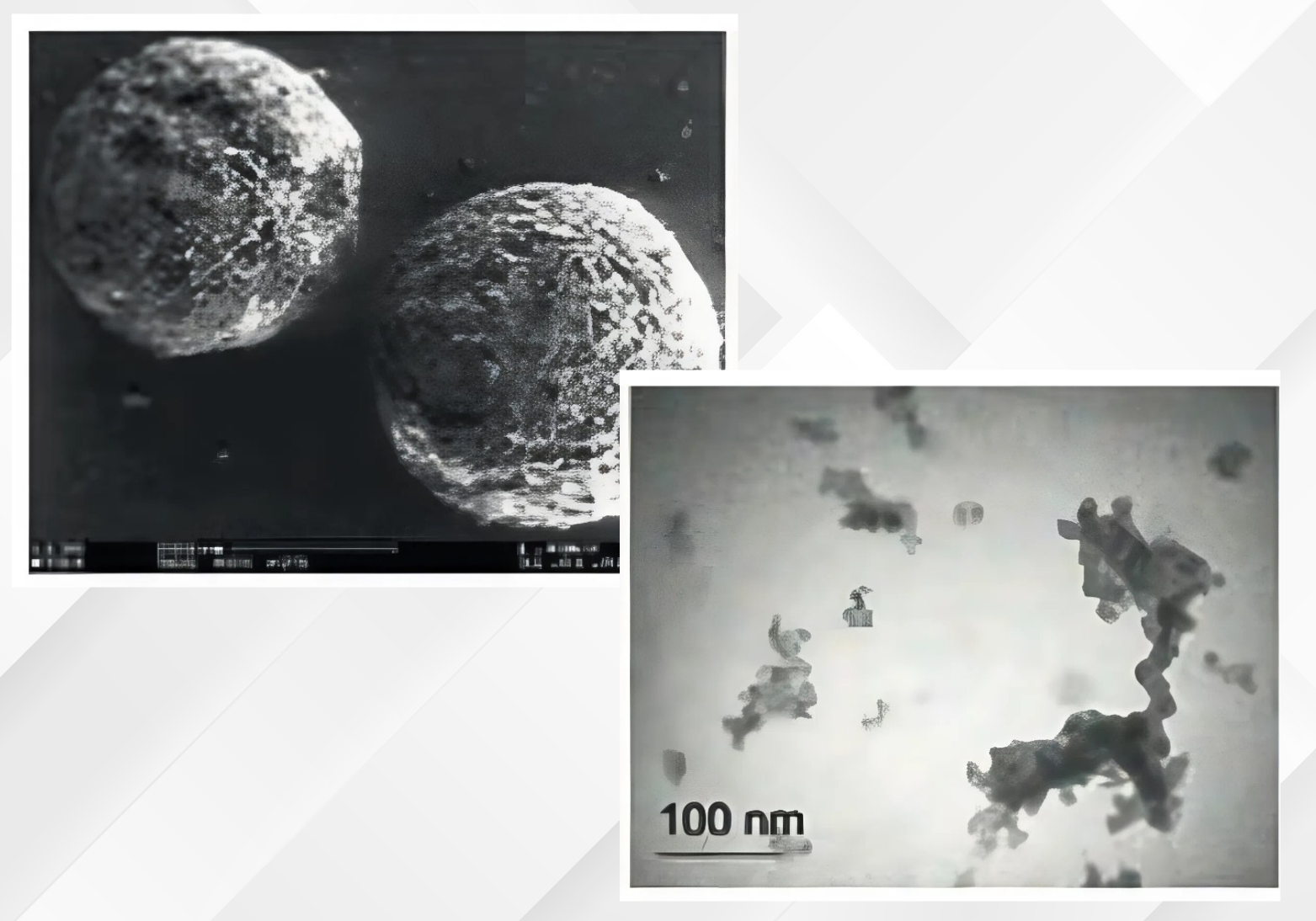
Matting agents function by creating heterogeneities on the surface of the paint film. These heterogeneities exist at the microscopic level and are not visible to the naked eye.
When light hits the surface, instead of reflecting in a single direction, it encounters these micro-scale irregularities. Each irregularity alters the direction of the light, causing it to scatter in multiple directions.
This mechanism reduces the intensity of direct reflection. As a result, the human eye no longer perceives concentrated reflected light, and the surface appears matte.
Additionally, part of the الضوء may penetrate into the coating and undergo multiple internal reflections before exiting. This further enhances the scattering effect and reduces overall gloss.
ROLE OF PARTICLE SIZE IN LIGHT SCATTERING
Particle size is a critical factor in determining scattering efficiency. If the particles are much smaller than the wavelength of light, the scattering effect will be weak.
Conversely, when particle size is comparable to or larger than the wavelength of light, scattering increases significantly, resulting in a more pronounced matte effect.
However, excessively large particles may lead to a rough surface and negatively impact appearance. Therefore, selecting an appropriate particle size is essential for specific applications.
EFFECT OF PARTICLE DISTRIBUTION AND DENSITY
In addition to size, the distribution of particles within the coating is also crucial. Uniform dispersion ensures consistent and stable scattering across the entire surface.
If the distribution is uneven, the surface may exhibit alternating glossy and matte areas, reducing product quality.
Particle density must also be controlled. Too few particles result in insufficient matting, while too many can reduce mechanical strength and clarity of the coating.
ROLE OF FILM THICKNESS
Coating thickness also influences how light interacts with the surface. When the film is too thin, the number of scattering points may be insufficient to create a noticeable matte effect.
With increased thickness, light has more opportunities to scatter. However, excessive thickness may negatively affect other properties such as drying performance and mechanical durability.
Therefore, optimizing film thickness is necessary to balance matte effect and overall performance.
CONCLUSION
The light scattering mechanism of matting agents is the foundation of matte surface formation in coatings. It is based on the interaction between light and the microstructure of the surface.
The effectiveness of this process depends on multiple factors, including particle size, distribution, and the resin system. Proper control of these factors enables the production of high-quality and consistent coatings.
Understanding this mechanism not only improves product performance but also enhances manufacturing efficiency in the coatings industry.
VICHEM – AUTHORIZED DISTRIBUTOR OF CHEMICAL ADDITIVES FROM LEADING BRANDS SUCH AS COVESTRO, SINOPEC, BUHLER,… IN VIETNAM
Vichem is an authorized distributor of chemical additives from leading brands such as Covestro, Sinopec, Buhler,… in the Vietnamese market. We not only provide high-quality products but also deliver after-sales services that meet international standards.
For more information about our products, please contact us via the following channels:
📞 Hotline: 08 1790 1790
📧 Email: contact@vichem.vn
🔎 LinkedIn: Vichem JSC
🌐 Website: www.vichem.vn
📌 Facebook: Vichem JSC