
The global coffee market is entering a critical transition phase. After years of strong volatility caused by supply shortages, 2026 shows more signs of stabilization. However, this stability is not yet fully sustainable.
During the 2023–2025 period, coffee prices surged due to extreme weather conditions and supply chain disruptions. This made it difficult for many businesses to forecast costs and plan operations.
Moving into 2026, supply is beginning to recover, leading to a price adjustment trend. Nevertheless, the market remains influenced by multiple factors such as climate conditions, consumer demand, and trade policies. Therefore, understanding the overall landscape is essential.
GLOBAL COFFEE MARKET OVERVIEW 2026
The year 2026 marks a clear shift in the coffee market. According to the United States Department of Agriculture (USDA), global coffee production for the 2025–2026 crop year is estimated at approximately 178.8 million bags. This represents a slight increase compared to the previous year but is sufficient to alter the supply–demand balance.
This growth is mainly driven by robusta-producing countries such as Vietnam, Indonesia, and Ethiopia. Meanwhile, Brazil and Colombia have recorded slight declines due to unfavorable weather conditions.
The World Bank shares a similar outlook, forecasting a gradual recovery in global supply. However, coffee inventories remain below the multi-year average, preventing a sharp price decline in the short term.

GLOBAL SUPPLY – DEMAND
Increasing but unstable production
Global coffee supply is improving, but the recovery is uneven across regions. Vietnam continues to play a key role in the robusta segment, maintaining high output thanks to favorable weather conditions and stable yields.
Indonesia and Ethiopia also contribute significantly to the increased supply. These countries have improved farming techniques and expanded cultivation areas, resulting in notable production growth.
In contrast, Brazil—the world’s largest producer—is facing prolonged drought conditions, reducing arabica output in the short term. Colombia is experiencing similar challenges due to extended heavy rainfall, which affects harvesting.
This divergence keeps the market exposed to risks despite the overall increase in production.
Continued expansion of consumption
On the demand side, global coffee consumption continues to grow steadily. The USDA forecasts consumption at approximately 173.9 million bags for the 2025–2026 crop year.
Asia is emerging as the main growth driver of the market. China is a typical example, with rapidly increasing consumption over the past decade. Changes in consumer habits and the expansion of modern coffee chains have significantly boosted demand.
In addition, the at-home consumption trend continues to develop. Consumers are increasingly interested in high-quality coffee experiences, even outside of cafés.
COFFEE PRICE FLUCTUATIONS
Coffee prices reached high levels in 2025, mainly due to global supply shortages. According to the World Bank, arabica prices increased by more than 50% during this period. However, forecasts suggest that coffee prices may decline by 10–15% in 2026. This adjustment is necessary to bring the market back to a more balanced state.
Despite the decline, coffee prices remain higher than in the pre-2020 period. This reflects structural changes in production and logistics costs. Additionally, climate risks and geopolitical uncertainties make it difficult for prices to fall significantly. The market still needs time to fully stabilize.
KEY MARKET TRENDS
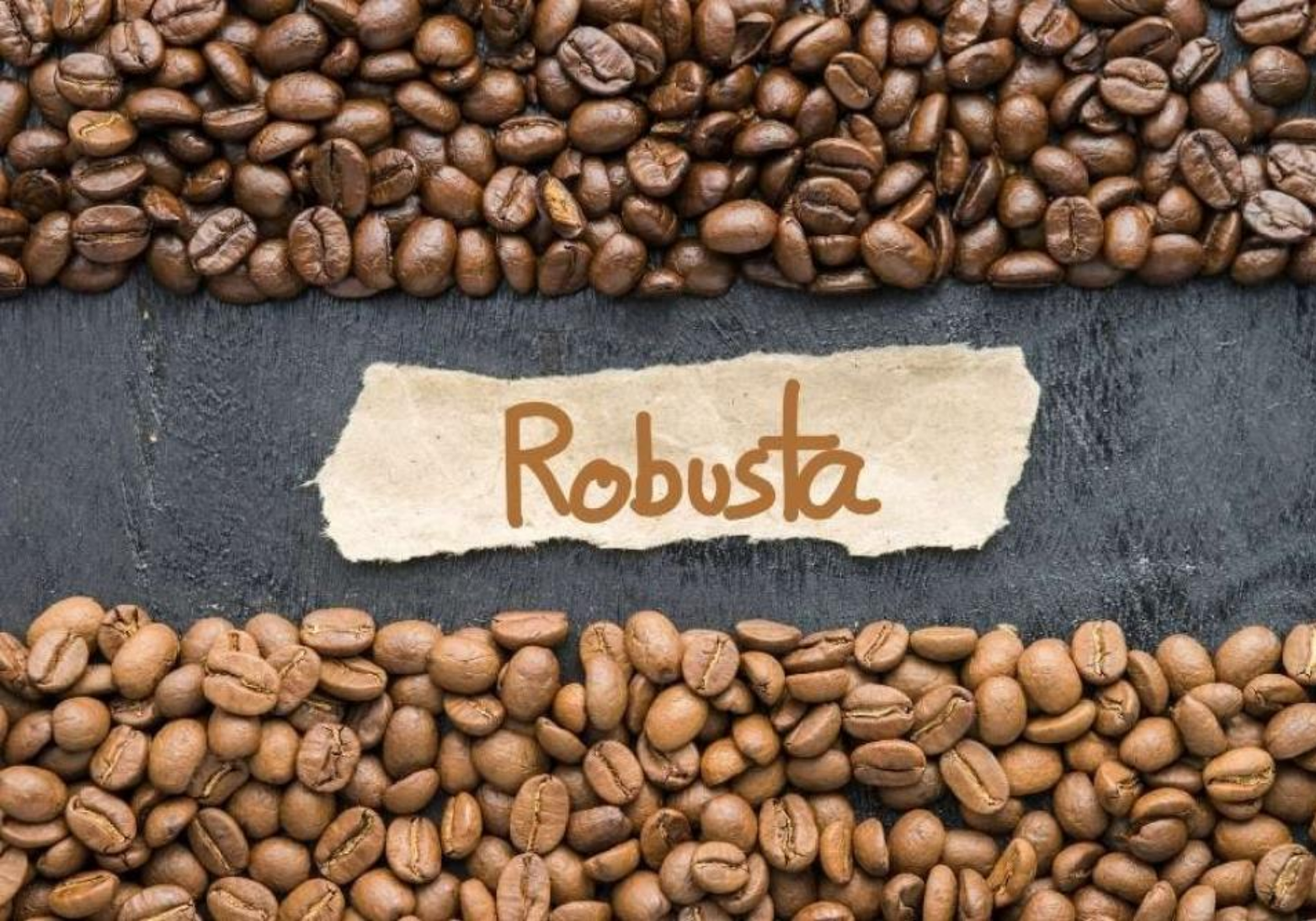
Robusta is becoming increasingly popular due to its lower cost and better climate adaptability. Many roasters are adjusting their blends to increase the proportion of robusta in order to reduce costs.
New regulations, particularly from the EU, require products to have clear traceability. This aims to curb deforestation and protect the environment.
MAJOR PRODUCING COUNTRIES
Brazil remains the largest coffee producer in the world, accounting for approximately 35–37% of global output. Vietnam ranks second and leads in robusta exports. Stable production helps Vietnam maintain a critical position in the global supply chain.
Colombia focuses on high-quality arabica, but its production is affected by weather conditions. Meanwhile, Ethiopia continues to grow thanks to improved farming techniques and increased agricultural investment.
OPPORTUNITIES FOR BUSINESSES
The coffee market offers numerous opportunities in the coming period. Businesses can expand into new markets, particularly in Asia and the Middle East.
In addition, investing in deep processing can increase product value. Product lines such as instant coffee, capsules, and specialty coffee offer higher profit margins.
RISKS AND CHALLENGES
Price volatility remains the biggest challenge. Coffee prices can change rapidly in a short period, making planning difficult.
Production costs are also rising, from fertilizers to logistics, reducing business profitability.
Moreover, legal requirements from importing markets are becoming increasingly stringent. Companies need to invest to meet international standards.
Finally, climate risk remains the most difficult factor to control. This is a long-term challenge for the entire industry.
SOLUTIONS
Application of advanced roasting technology
In a highly competitive market, investing in advanced coffee roasting technology not only enhances flavor but also ensures consistency across product batches. This is a key factor for businesses targeting the mid- and high-end segments.
Additionally, automated roasting systems allow precise control of temperature, time, and humidity. This helps reduce material loss and improve production efficiency.
Industrial machinery solutions for the coffee industry
To meet increasing production demands, many companies are shifting to specialized industrial machinery for the coffee industry. These systems support not only roasting but also blending, packaging, and raw material processing.
Selecting the right equipment enables businesses to optimize the entire production line while ensuring quality standards and operational safety.
CONCLUSION
The global coffee market in 2026 is entering a rebalancing phase. Supply recovery is easing price pressure, but risks remain.
In the short term, prices may adjust. However, the long-term outlook remains positive due to steady demand growth.
For businesses, the ability to capture trends and adapt quickly will be the key to success in an increasingly competitive global landscape.
VICHEM – AUTHORIZED DISTRIBUTOR OF BUHLER INDUSTRIAL AND AGRICULTURAL MACHINERY IN VIETNAM
Vichem is the official distributor of Buhler industrial and agricultural machinery products in the Vietnamese market. We not only provide high-quality products but also deliver after-sales services that meet international standards.
For more information about our products, please contact us via the following channels:
📞 Hotline: 08 1790 1790
📧 Email: contact@vichem.vn
🔎 LinkedIn: Vichem JSC
🌐 Website: www.vichem.vn
📌 Facebook: Vichem JSC