In modern industrial environments, metal surfaces are often exposed to extremely harsh operating conditions. High temperatures, high humidity, and corrosive chemicals can rapidly degrade materials over time. This increases maintenance costs and directly affects equipment lifespan. This is also why metal surface coating technology is becoming increasingly widespread across industries.
In addition to improving corrosion resistance, coatings also help enhance material hardness and wear resistance. Furthermore, many modern coating systems also optimize the aesthetics and operational performance of industrial equipment. Today, metal coatings play an important role in industries such as mechanical engineering, automotive, electronics, oil & gas, and energy.
WHAT IS METAL COATING TECHNOLOGY?
Metal coating is the process of applying a protective layer onto the surface of metallic materials. This coating layer improves surface properties and enhances equipment durability during operation. Depending on technical requirements, coatings can provide various functions. Some coating systems focus on corrosion resistance, while others prioritize heat resistance or wear resistance.
Unlike conventional paints, industrial coatings require extremely high stability. The coating layer must maintain long-term performance and withstand harsh operating environments. Today, metal coatings are developed through various technologies, each suitable for different technical requirements and industrial applications.
WHY IS METAL COATING BECOMING INCREASINGLY IMPORTANT?
Improved Corrosion Resistance
Corrosion is one of the primary causes of reduced lifespan in industrial metals. When exposed to humidity or chemicals, metal surfaces can oxidize rapidly. This directly affects mechanical durability and equipment stability. Without proper protection, many metal components may severely deteriorate after a relatively short period of use.
Coatings create a protective barrier between the metal surface and the external environment. As a result, corrosion rates are significantly reduced during operation.
Enhanced Heat Resistance
Some industrial equipment is required to operate at extremely high temperatures. If the metal surface lacks sufficient stability, thermal oxidation may occur.
Heat-resistant coatings effectively minimize this issue. The coating layer protects the material surface and reduces degradation caused by elevated temperatures. Many coating systems today also help improve heat dissipation efficiency for industrial equipment.
Optimized Aesthetics
In addition to technical performance, coatings also improve the appearance of metal surfaces. Many modern coatings provide high gloss and excellent surface uniformity.
This is particularly important in the automotive and electronics industries. Modern products require not only durability but also high aesthetic quality.
Supporting High-Precision Manufacturing
Many modern coating technologies are capable of controlling coating layers at the nanoscale level. This represents a major advancement in the advanced materials industry. Precise control improves coating uniformity while reducing manufacturing errors in mass production.
This is especially important in the semiconductor and electronic sensor industries, where extremely high material precision is required.
COMMON METAL COATING TECHNOLOGIES TODAY
Electroplating
Electroplating is a widely used coating method in the industrial metal sector. This technology uses electric current to deposit a metallic coating layer onto the material surface. One major advantage of electroplating is its ability to significantly enhance surface aesthetics. In addition, the coating layer also improves oxidation resistance for the base metal.
Today, many companies use nickel plating and chrome plating for industrial equipment. These coating systems offer relatively high stability. However, electroplating processes require strict chemical control to ensure coating quality and minimize environmental risks.
Powder Coating
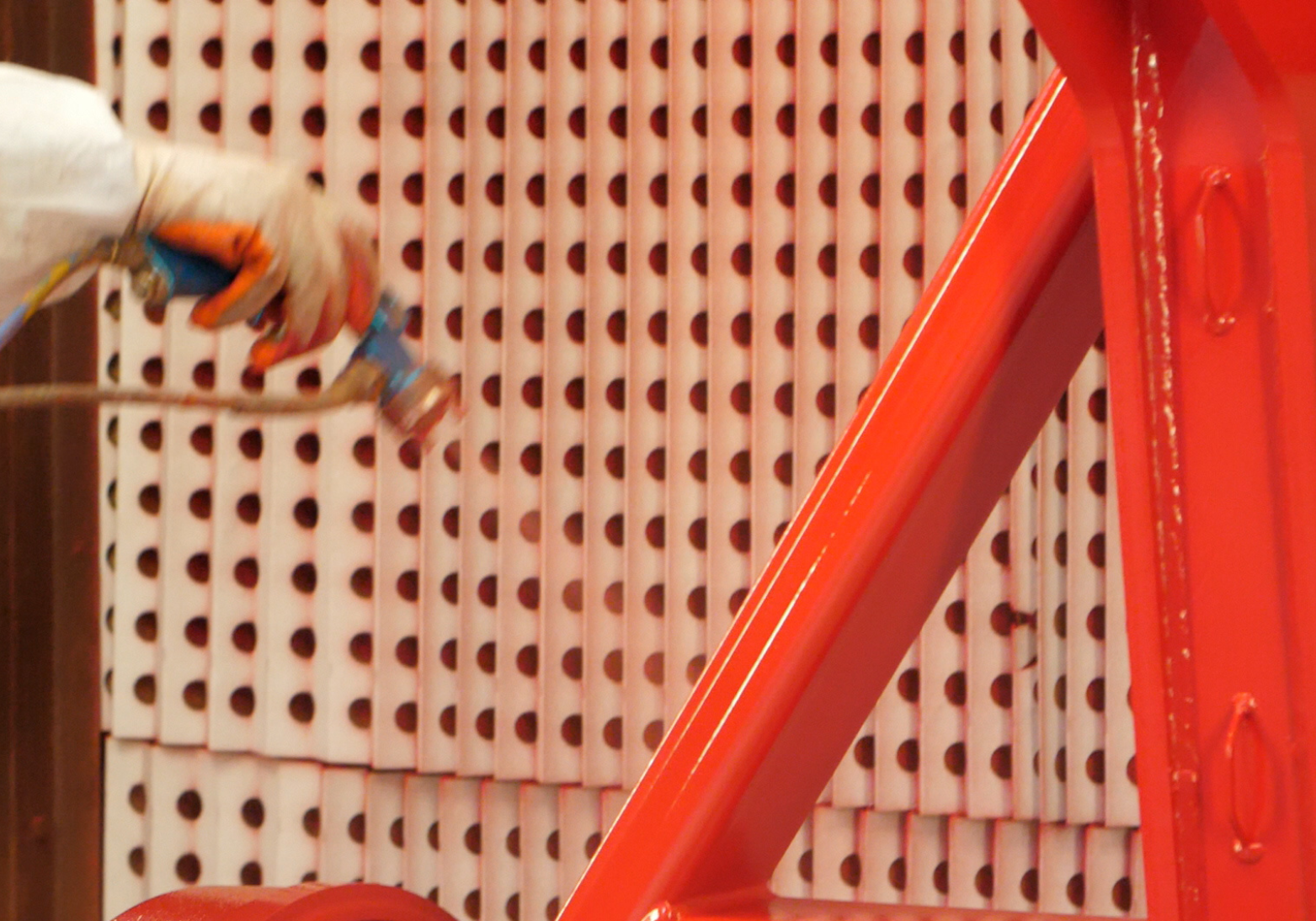
Powder coating is currently one of the most widely used coating technologies in modern industry. The coating powder is sprayed onto the surface and then heat-cured to form a stable coating layer. One major advantage of powder coating is its excellent corrosion resistance. In addition, the coating provides high uniformity and aesthetic quality.
Compared to many solvent-based coating systems, powder coating contains significantly lower VOC emissions. This is an important factor in environmentally friendly manufacturing trends. Today, powder coating is widely applied in metal furniture and industrial equipment industries.
Thermal Spray Coating
Thermal spray coating is a technology that sprays heated coating materials onto metal surfaces at high velocity.
This technology creates coating layers with excellent heat resistance and wear resistance. Therefore, thermal spray coating is widely used in the oil & gas and energy industries. In addition, many turbine components and heavy industrial equipment also utilize this coating technology.

FACTORS AFFECTING COATING PERFORMANCE
Coating performance depends heavily on the quality of metal surface preparation. If the surface is not sufficiently clean, coating adhesion may be significantly reduced. In addition, coating thickness directly affects operational performance. If the coating layer is too thin, the required protection level may not be achieved.
On the other hand, excessively thick coatings may reduce the mechanical stability of the material. Therefore, companies must select coating thicknesses appropriate for each specific application. Environmental temperature and humidity conditions also greatly affect coating lifespan. These factors must be strictly controlled in many industrial sectors.
DEVELOPMENT TRENDS
The metal coating industry is currently evolving toward greater sustainability and higher precision. Many companies are prioritizing coating systems with low VOC content. In addition, nano-coatings and ultra-thin coatings are also developing rapidly. These technologies help optimize performance while reducing coating material consumption.
Furthermore, AI and automation are being increasingly integrated into modern coating production lines. This helps companies improve product quality control capabilities. In the future, metal coatings will continue to play an essential role in modern industrial manufacturing.
CONCLUSION
Metal surface coating technology is becoming an essential solution across many modern industries. Thanks to their excellent corrosion resistance, wear resistance, and heat resistance, coatings significantly improve equipment lifespan and operational performance.
As material durability requirements continue to increase, metal coatings are expected to expand further across many high-tech industries in the future.
VICHEM – AUTHORIZED DISTRIBUTOR OF CHEMICAL ADDITIVES FROM LEADING BRANDS SUCH AS COVESTRO, SINOPEC, BUHLER, AND MORE IN VIETNAM
Vichem is an authorized distributor of chemical additive products from leading brands such as Covestro, Sinopec, Buhler, and more in the Vietnamese market. We not only provide high-quality products but also deliver after-sales services that meet international standards.
For more information about our products, please contact us through the following channels:
📞 Hotline: 08 1790 1790
📧 Email: contact@vichem.vn
🔎 LinkedIn: Vichem JSC
🌐 Website: www.vichem.vn
📌 Facebook: Vichem JSC