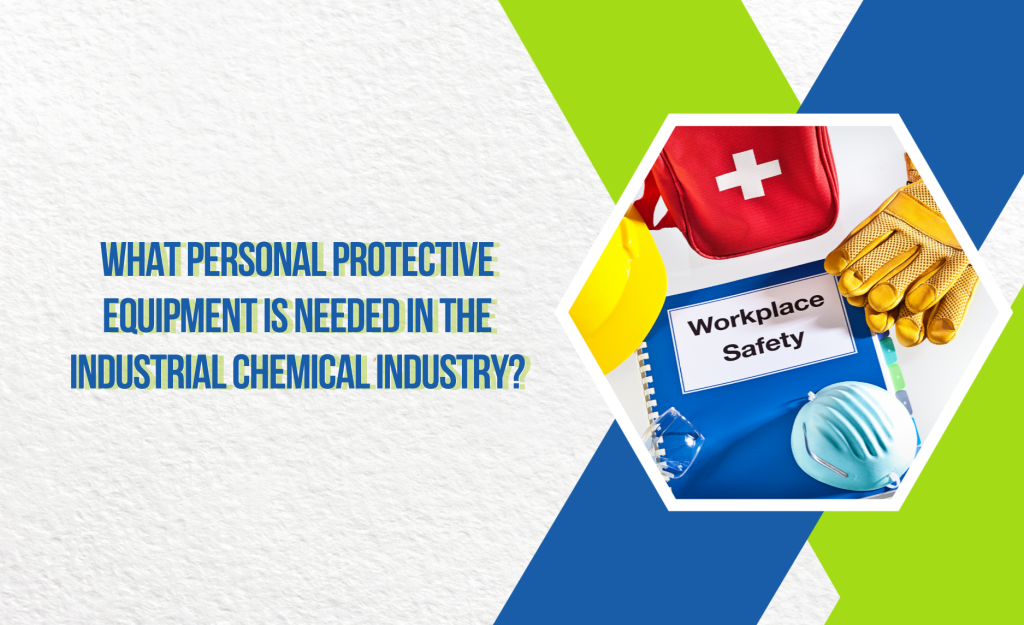
The industrial chemical industry is a sector with a high level of risk. Workers are frequently exposed to corrosive chemicals, flammable solvents, toxic gases, and many other hazardous agents. Therefore, personal protective equipment (PPE) is not only a mandatory requirement in production environments, but also a critical factor in protecting worker health and maintaining stable business operations.
However, many companies still select protective equipment based on habit. As a result, the level of protection may not meet actual requirements. In reality, each production area requires protective equipment that matches the specific characteristics of the chemicals being used.
POTENTIAL RISKS
Unlike many conventional manufacturing industries, the industrial chemical sector involves multiple types of hazards simultaneously. Workers may be exposed to corrosive substances, solvent vapors, chemical dust, or toxic gases throughout the operation of production systems.
Some chemicals cause immediate irritation upon contact with the skin or eyes. Others may silently affect the respiratory and nervous systems after prolonged exposure. This is why international safety standards always require companies to fully assess exposure levels within factories before selecting protective equipment.
In addition to toxicity risks, the chemical industry also faces a very high risk of fire and explosion. Many industrial solvents are highly flammable when exposed to sparks or high temperatures. In such environments, the use of appropriate protective equipment not only protects individuals but also helps reduce the risk of incidents throughout the entire production system.
TYPES OF PERSONAL PROTECTIVE EQUIPMENT
Chemical-Resistant Protective Clothing
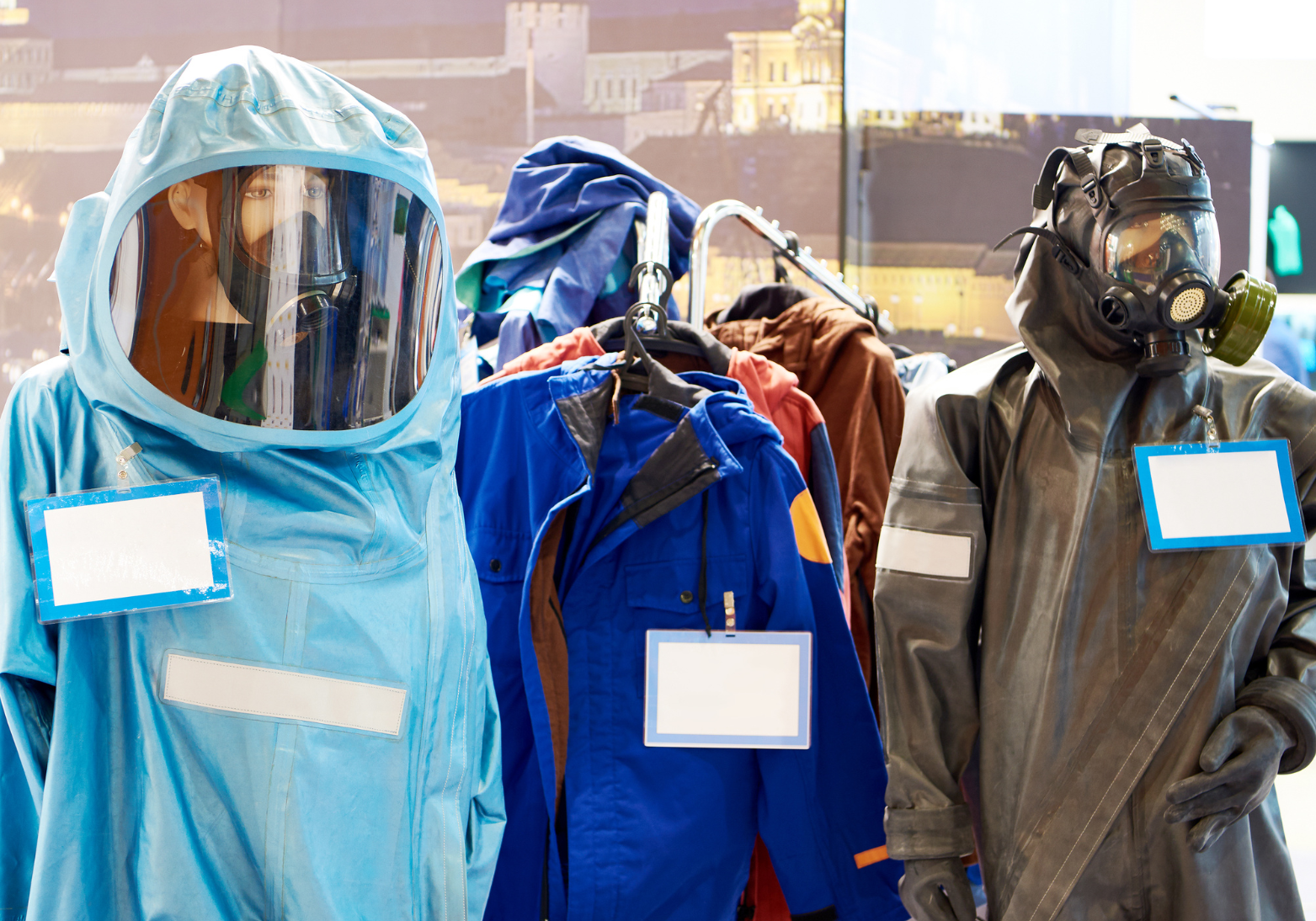
Protective clothing is essential in chemical environments. It serves as the direct barrier between the human body and hazardous chemicals. Depending on the work area, companies may use different types of protective clothing. Some areas only require splash-resistant protection, while areas involving highly toxic chemicals often require fully encapsulated protective suits.
Today, many specialized materials are used in the production of chemical-resistant clothing. Common materials include PVC, Tyvek, and Neoprene. These materials help minimize chemical penetration during work operations.
However, thicker protective clothing is not always better. Overly heavy suits may cause heat stress and reduce workers’ mobility and operational efficiency.
Protective Gloves
Hands are the body part most frequently exposed to chemicals. Therefore, chemical-resistant gloves are considered almost mandatory equipment in chemical plants. However, no single type of glove is suitable for all chemicals. Each material offers different levels of chemical resistance.
For example, nitrile gloves are commonly suitable for oils and light solvents, while butyl gloves are used in environments containing more aggressive chemicals. Besides material selection, companies must also consider glove thickness and breakthrough time. If the wrong type is used, chemicals may still penetrate the protective surface.
Respiratory Protection Equipment
Not all hazards in the chemical industry are visible to the naked eye. Many gases and solvent vapors exist in the air at dangerous concentrations. Long-term exposure may lead to respiratory and neurological disorders.
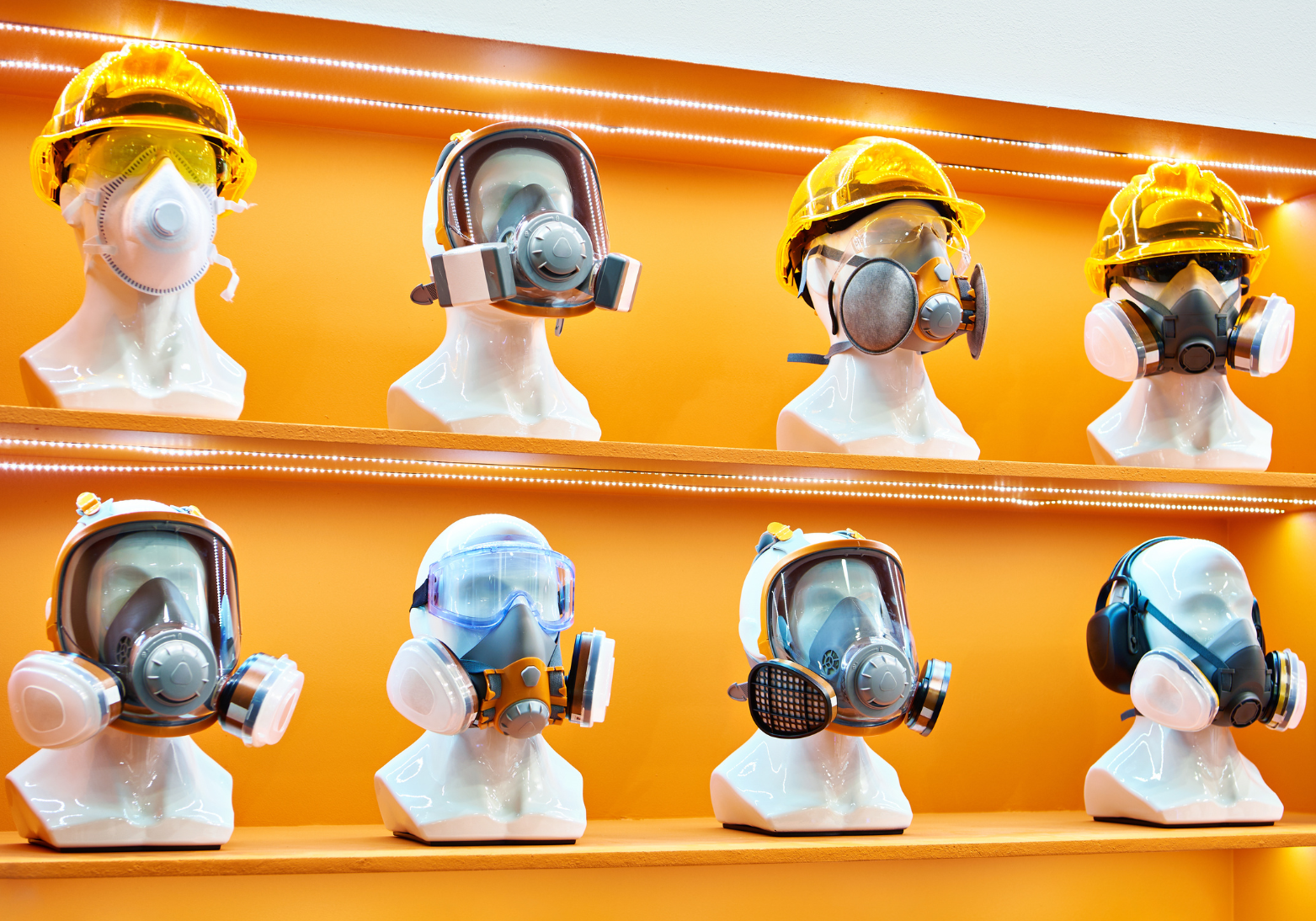
Depending on the working environment, companies may use chemical-filtering masks or specialized respirators. In areas with high concentrations of toxic gases, independent air supply systems are often mandatory.
Safety Goggles
The eyes are extremely sensitive to chemicals. Even a small amount of acid or solvent splashed into the eyes can cause severe injury.
In the chemical industry, safety goggles are used in most production areas. These devices help reduce the risk of direct chemical exposure during operations. Depending on the hazard level, companies may use splash-resistant safety glasses or fully sealed goggles. In some areas, face shields are additionally used to enhance safety.
Safety Footwear
Chemical plant floors are often slippery due to oil and solvent leakage. Without proper footwear, workers are highly susceptible to accidents while moving around. In these environments, safety shoes typically require both chemical resistance and anti-static properties.
In addition, many areas also require puncture resistance and impact protection. Today, industrial safety footwear has been improved to become lighter and more comfortable than before, making it easier for workers to wear for extended periods.
Anti-Static Equipment
Many industrial chemicals are highly flammable. Even a small electrostatic spark can cause fire or explosion. This is why many factories currently use anti-static clothing and footwear in production areas.
In addition to personal PPE, grounding systems and anti-static flooring also play important roles in safety control. This is especially necessary in solvent, industrial paint, and petrochemical industries.
CHANGING TRENDS IN OCCUPATIONAL SAFETY
Previously, most companies only focused on basic protective functions. However, current trends have changed significantly. Many new types of equipment are being developed to reduce weight and improve user comfort.
In addition, smart PPE solutions are beginning to appear in modern factories. Some devices can integrate toxic gas sensors or body temperature monitoring systems. This trend enhances safety while still maintaining operational efficiency in industrial production.
CONCLUSION
The industrial chemical industry is an environment with extremely high levels of risk. Therefore, occupational safety equipment always plays a particularly important role in production processes. From chemical-resistant clothing to respiratory protection equipment, each type contributes to reducing the risk of accidents and chemical exposure.
More importantly, companies need to select PPE that matches actual working conditions rather than relying on habits or prioritizing low costs alone. Proper investment in occupational safety equipment not only improves safety levels but is also a key factor in enhancing operational efficiency and supporting sustainable development in the industrial chemical sector.
VICHEM – AUTHORIZED DISTRIBUTOR OF CHEMICAL ADDITIVES FROM MAJOR BRANDS SUCH AS COVESTRO, SINOPEC, BUHLER, … IN VIETNAM
Vichem is an authorized distributor of chemical additive products from leading brands such as Covestro, Sinopec, Buhler, … in the Vietnamese market. We not only provide high-quality products but also deliver after-sales services that meet international standards.
For more information about our products, please contact us through the following channels:
📞 Hotline: 08 1790 1790
📧 Email: contact@vichem.vn
🔎 LinkedIn: Vichem JSC
🌐 Website: www.vichem.vn
📌 Facebook: Vichem JSC