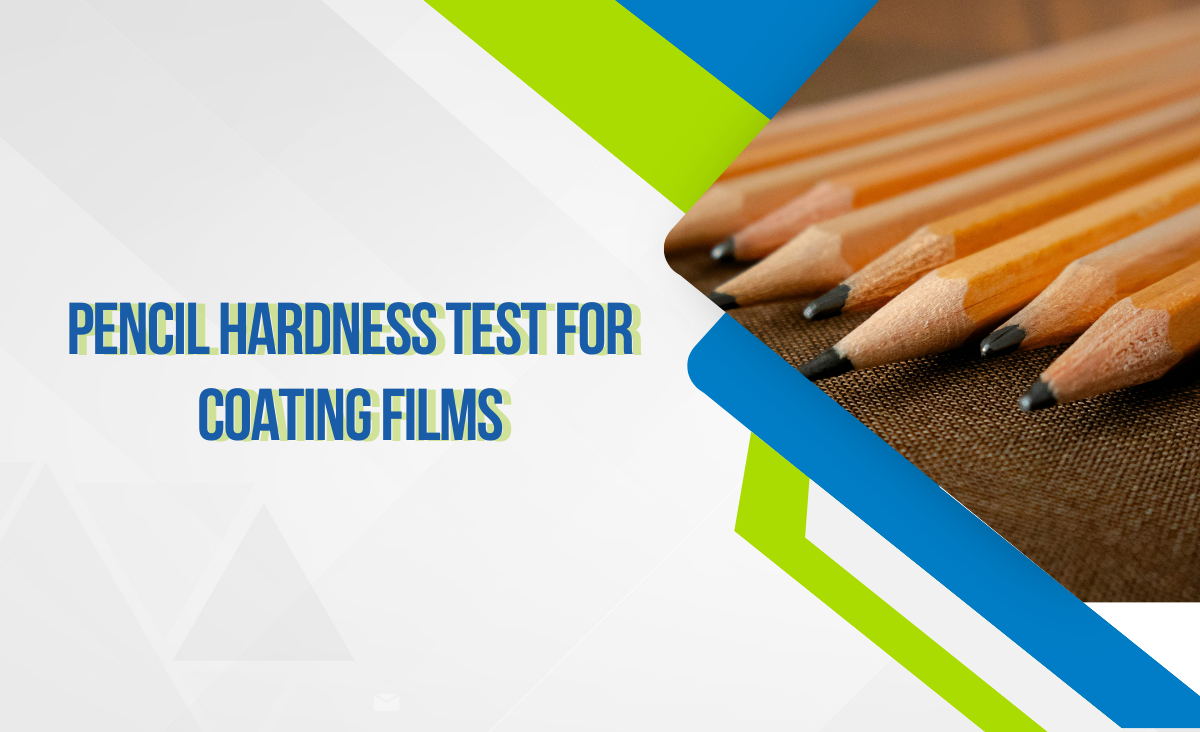
Pencil hardness is a common method for testing coating films. This method helps evaluate surface scratch resistance. The results support quality control in paint production.
WHAT IS PENCIL HARDNESS?
Pencil hardness is a parameter used to assess the scratch resistance of a coating film. The method uses standardized pencil grades for testing. The result indicates the scratch resistance level of the coated surface.
The pencil hardness scale typically ranges from 6B to 9H. The harder the pencil, the greater its ability to scratch the surface. A coating that withstands a harder pencil has higher hardness.
This method is widely applied in laboratories. It is suitable for wood, metal, and plastic coatings. Pencil hardness allows comparison between different coating systems.

PRINCIPLE OF PENCIL HARDNESS TESTING
The test is based on the force applied by the pencil tip to the coating surface. The pencil tip is flattened before testing. The angle of application is usually kept at a standard value.
The pencil is pushed across the surface with a defined force. If a scratch appears, that pencil grade is recorded. The highest grade that does not cause scratching is the final result.
Pencil hardness reflects resistance to surface deformation. However, it does not represent the overall mechanical strength. Additional tests are needed for a complete evaluation.
TESTING PROCEDURE
Sample Preparation
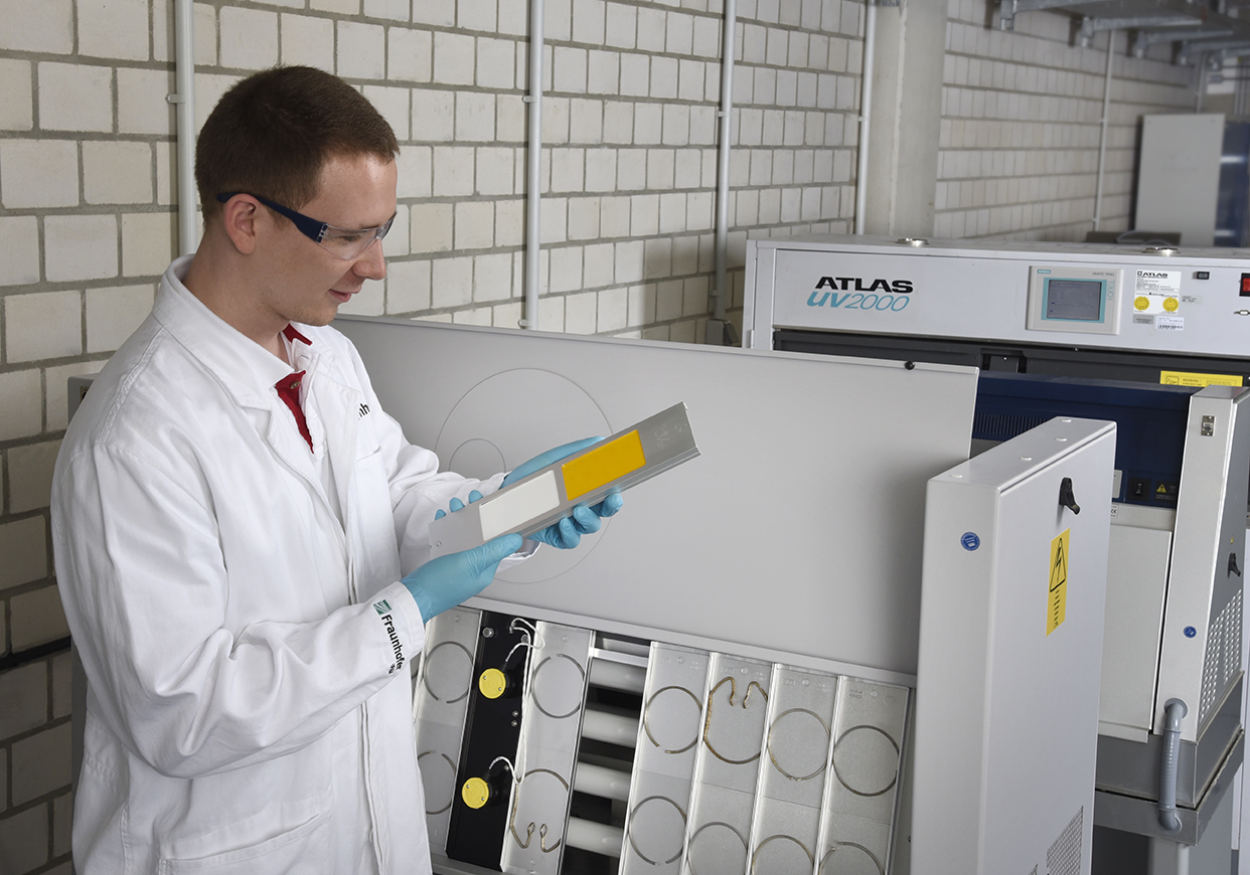
The coating must be applied at the specified thickness. The film must be fully cured before testing. The surface should be clean and free of dust.
Environmental conditions must remain stable during testing. Temperature and humidity should be within the recommended range. This ensures accurate results.
The pencils must meet quality standards. The tips are flattened and smoothed before use. Proper preparation minimizes testing errors.
Test Execution
Place the pencil at approximately a 45-degree angle to the surface. Maintain consistent pressure throughout the test. Push the pencil in one fixed direction.
Observe the surface after each test. If a clear scratch appears, switch to a softer pencil. Repeat until the appropriate grade is determined.
The pencil hardness result is recorded as the highest grade that does not cause scratching. This value is used to compare coating samples. Accurate documentation is essential.

FACTORS AFFECTING PENCIL HARDNESS
Resin composition directly affects coating hardness. Highly crosslinked systems generally provide better hardness. This improves scratch resistance.
Additives and pigment content also play important roles. Some additives enhance surface hardness. However, improper ratios may cause brittleness.
Curing conditions influence the final result. Temperature and drying time determine the degree of crosslinking. Therefore, pencil hardness may vary depending on the process.
ADVANTAGES AND LIMITATIONS
The pencil hardness method is simple and cost-effective. Testing equipment is basic and widely available. Evaluation time is relatively short.
Results help control product quality efficiently. Manufacturers can compare production batches. This supports coating formulation optimization.
However, the method only evaluates surface scratch resistance. It does not fully reflect impact or flexibility resistance. Therefore, additional mechanical tests are recommended.
PRACTICAL APPLICATIONS
Pencil hardness testing is widely used in wood coatings. Furniture surfaces require high scratch resistance. Testing ensures finishing standards are met.
In metal coatings, this parameter helps evaluate protective layers. Industrial products require stable surface durability. Testing is often conducted before shipment.
Plastic and electronic coatings also apply this method. Product surfaces must maintain long-term gloss. Pencil hardness ensures consistent quality control.
NOTES ON RESULT EVALUATION
It is important to distinguish between scratches and slight indentations. Indentations do not fully damage the surface. Only clear scratches are considered failures.
Multiple tests should be performed on the same sample. This increases reliability and reduces personal error.
Testing conditions should be clearly recorded in the report. This information supports comparison between evaluations. Pencil hardness must be assessed under consistent conditions.
CONCLUSION
Pencil hardness testing is a simple and effective method for evaluating coating films. It quickly assesses surface scratch resistance. It plays a key role in quality control.
Understanding the procedure and influencing factors improves accuracy. Test results support coating formulation optimization. Pencil hardness is therefore an essential parameter.
Combining this method with other tests provides a comprehensive evaluation. This enhances product durability and value. Coating quality can be maintained over the long term.
VICHEM – OFFICIAL DISTRIBUTOR OF CHEMICAL ADDITIVES FROM LEADING BRANDS SUCH AS COVESTRO, SINOPEC, AND BUHLER IN VIETNAM
Vichem is the official distributor of chemical additives from leading brands such as Covestro, Sinopec, and Buhler in the Vietnamese market. We not only supply high-quality products but also provide after-sales services that meet international standards.
- Technical consulting: Support customers in selecting products suitable for their application.
- Color-matching tests: Vichem specialists perform matching tests to ensure results meet design standards.
- On-site application support: Assist customers during integration into production lines to ensure optimal performance.
For more information, please contact us:
📞 Hotline: 08 1790 1790
📧 Email: contact@vichem.vn
🔎 LinkedIn: Vichem JSC
🌐 Website: www.vichem.vn
📌 Facebook: Vichem JSC