Oils and fatty acids in paint are essential components of alkyd systems. They directly affect durability and film-forming performance. Understanding their role helps optimize formulation and application efficiency.
WHAT ARE OILS AND FATTY ACIDS IN PAINT?
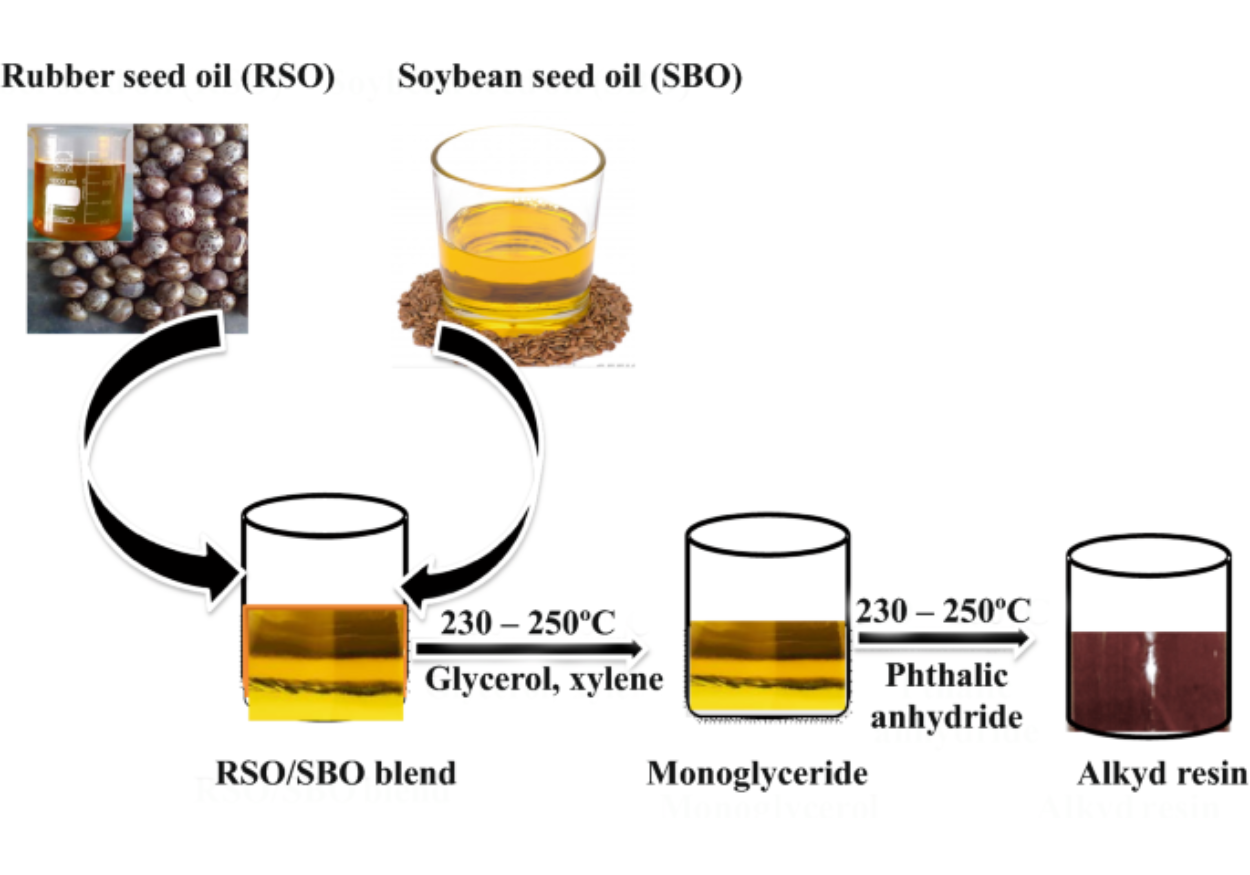
Oils and fatty acids in paint are raw materials derived from natural or synthetic sources. They are commonly used in alkyd resin production. These components determine the mechanical and physical properties of the coating film.
Vegetable oils such as soybean oil and linseed oil are widely used. Fatty acids can be extracted from oils or produced separately. Each type provides different drying characteristics and durability.
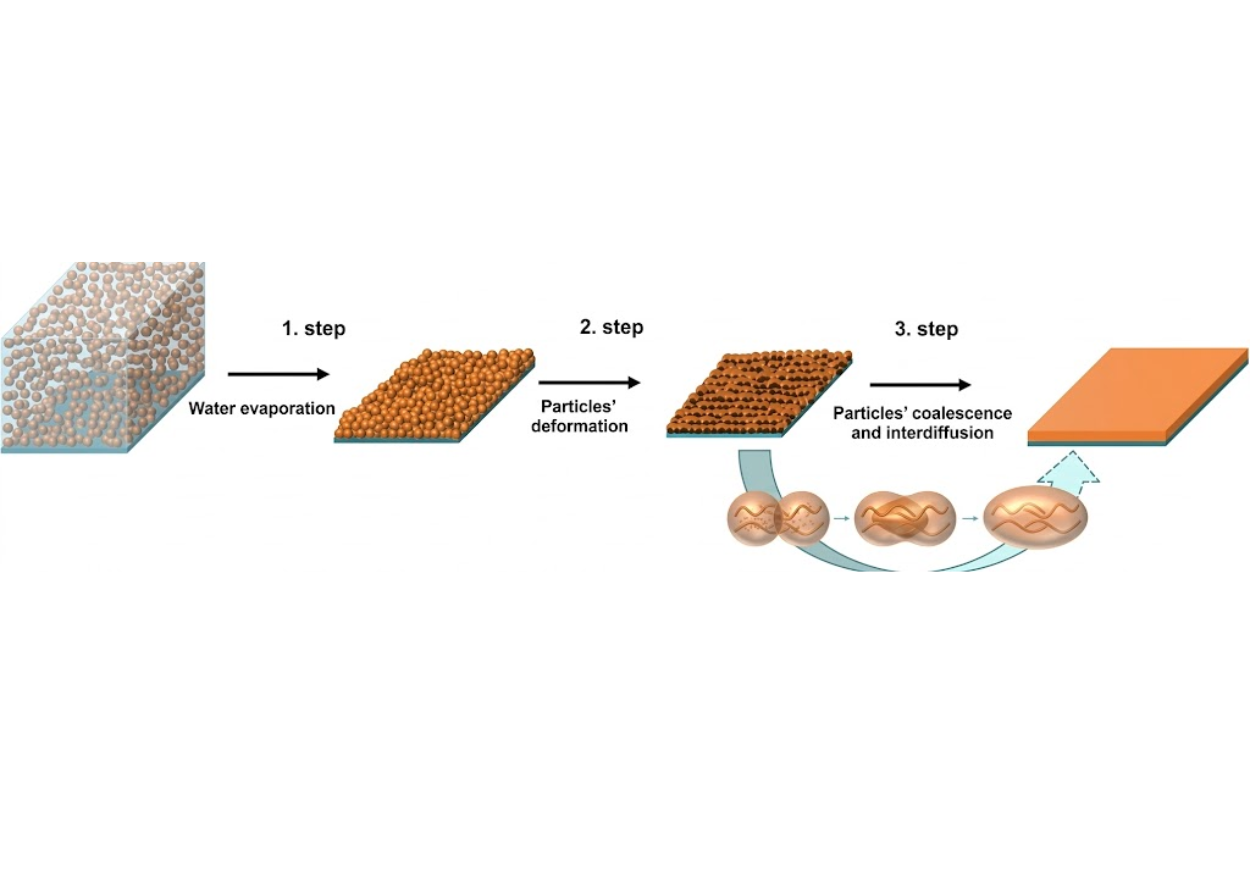
In alkyd systems, they participate in polymer-forming reactions. Crosslinked networks are formed when exposed to oxygen. This results in coatings with high hardness and adhesion.
THE ROLE OF OILS AND FATTY ACIDS IN PAINT
Influence on Drying Performance
Oils and fatty acids determine oxidative drying speed. The number of double bonds affects reaction with oxygen. More double bonds lead to faster drying.
Linseed oil has a high iodine value and dries quickly. Soybean oil dries more slowly but provides a more flexible film. Selection depends on specific application requirements.
Drying speed directly impacts production efficiency. Excessively fast drying may cause wrinkling. Slow drying reduces operational efficiency.
Determining Durability and Flexibility
Oils and fatty acids enhance film flexibility. The coating becomes less prone to cracking under mechanical stress. This is particularly important for metal substrates.
High oil content produces softer and more elastic films. Lower oil content results in harder and more abrasion-resistant coatings. Proper balance is essential.
Weather resistance is also related to fatty acid type. Certain fatty acids improve UV resistance. This helps maintain long-term color stability.
Influence on Gloss and Film Formation
Oils and fatty acids affect surface gloss. Molecular structure influences leveling properties. This results in smoother coatings.
Uniform oil distribution improves hiding power. Continuous films reduce micro-void formation. This enhances water resistance.
Good film-forming ability ensures strong substrate adhesion. The finished surface meets high aesthetic standards. This is crucial in decorative coatings.
CLASSIFICATION OF OILS AND FATTY ACIDS IN PAINT
Classification by Source
Vegetable oils are the most widely used group. They are derived from soybean, linseed, or sunflower. Renewability is their key advantage.
Synthetic fatty acids allow precise control of chemical structure. Manufacturers can adjust chain length and saturation level. This optimizes coating performance.
Selection depends on cost and technical requirements. Industrial coatings often demand high stability. Decorative paints prioritize cost efficiency.
Classification by Oil Length
Alkyd resins are categorized by oil length. Long-oil alkyds contain more than 55 percent oil. They provide flexible films suitable for outdoor coatings.
Medium-oil alkyds contain approximately 45 to 55 percent oil. They balance hardness and flexibility. Commonly used in metal coatings.
Short-oil alkyds contain less than 45 percent oil. They produce hard and abrasion-resistant films. Typically applied in industrial coatings.
APPLICATIONS IN THE PAINT INDUSTRY
Oils and fatty acids are widely used in alkyd systems. They are suitable for wood and metal coatings. Good adhesion extends coating lifespan.
In anti-corrosion coatings, they improve hiding power. Continuous films prevent moisture and oxygen contact. This reduces corrosion risk.
Decorative coatings also benefit from alkyd advantages. Surfaces achieve high gloss and stable color. Easy application is a significant benefit.

CONSIDERATIONS WHEN USING OILS AND FATTY ACIDS
Strict raw material quality control is required. Impurities may affect resin formation reactions. This reduces coating durability.
Mixing ratios must follow standard formulations. Minor changes can alter drying performance. Testing is necessary before mass production.
Storage conditions are also critical. Oils may oxidize when exposed to air. Proper storage ensures stable quality.
CONCLUSION
Oils and fatty acids play a core role in alkyd paint systems. They influence drying speed, durability, and gloss. Proper selection optimizes coating performance.
Controlling oil type and content is essential. It balances hardness and flexibility. The final coating achieves high quality.
Understanding oil and fatty acid properties enhances research capability. Companies can develop formulations tailored to specific applications. This forms the foundation for durable and stable products.
VICHEM – OFFICIAL DISTRIBUTOR OF CHEMICAL ADDITIVES FROM LEADING BRANDS SUCH AS COVESTRO, SINOPEC, AND BUHLER IN VIETNAM
Vichem is the official distributor of chemical additives from leading brands such as Covestro, Sinopec, and Buhler in the Vietnamese market. We not only provide high-quality products but also deliver after-sales services that meet international standards.
- Technical consulting: Support customers in selecting products suitable for their application.
- Color-matching tests: Vichem specialists perform matching tests to ensure results meet design standards.
- On-site application support: Assist customers during integration into production lines to ensure optimal performance.
For more information, please contact us:
📞 Hotline: 08 1790 1790
📧 Email: contact@vichem.vn
🔎 LinkedIn: Vichem JSC
🌐 Website: www.vichem.vn
📌 Facebook: Vichem JSC