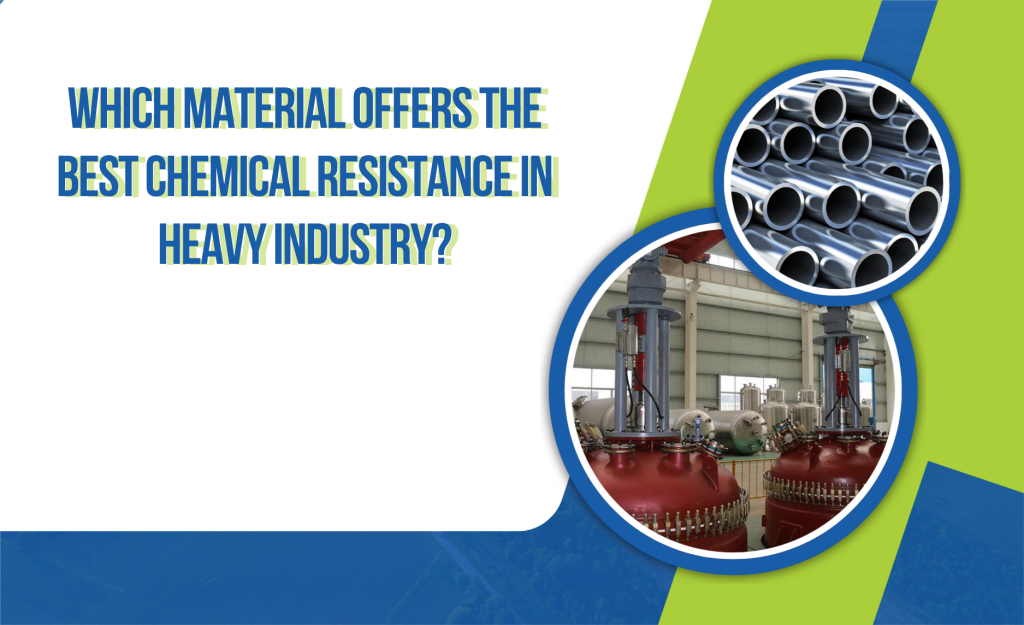
In heavy industry, working environments are often extremely harsh. Equipment is exposed to strong acids, bases, and industrial solvents. These agents can cause rapid corrosion.
If inappropriate materials are used, equipment will degrade quickly. This increases maintenance costs and disrupts production. Therefore, selecting chemical-resistant materials is a critical factor.
DEFINITION
Chemical-resistant materials are those capable of withstanding corrosion from chemicals. They can maintain their structure and properties under prolonged exposure to harsh environments.
This capability depends on molecular structure and material stability. Some materials can resist strong acids, while others are suitable for organic solvents. Therefore, no single material is suitable for all situations. Selection must be based on specific operating conditions.
COMMON GROUPS OF CHEMICAL-RESISTANT MATERIALS
Corrosion-Resistant Alloys
Metals remain a common choice in heavy industry. However, not all metals can withstand chemical exposure.
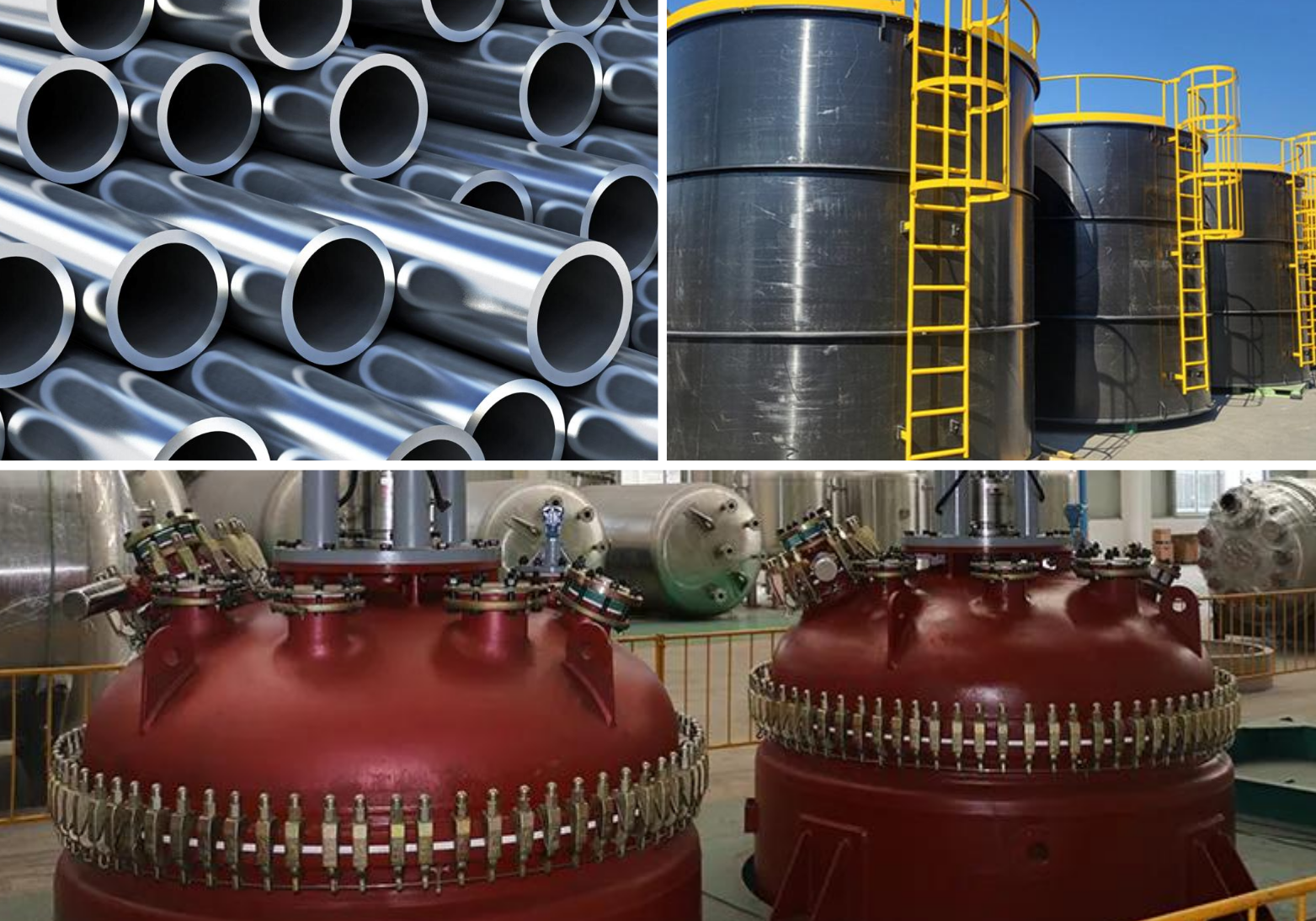
Stainless steel is widely used due to its corrosion resistance in many environments. Alloys containing nickel and molybdenum further enhance this capability.
Titanium is a more advanced option. It offers excellent corrosion resistance, especially in strong acids and seawater. However, these alloys are typically expensive.
Engineering Plastics
Engineering plastics are a group of materials with excellent chemical resistance. Common types include PTFE, PVC, and HDPE. PTFE stands out for its resistance to almost all chemicals. It also withstands high temperatures and shows minimal reactivity.
PVC is commonly used in chemical piping systems. It is cost-effective and easy to process. HDPE offers good mechanical strength and corrosion resistance, making it suitable for storing liquid chemicals.
Technical Ceramics and Inorganic Materials
Technical ceramics are highly stable materials that are not affected by many strong chemicals.
Glass is also used in certain equipment. Glass-lined reactors provide excellent corrosion resistance. However, the main drawback of this group is brittleness, making them unsuitable for high-impact environments.
Rubber and Elastomers
Rubber is widely used as a corrosion-resistant lining. It helps protect the internal metal surfaces of equipment. Some types, such as EPDM, offer good chemical resistance. Neoprene is also used in various applications.
The advantage of these materials is flexibility and ease of installation. However, their heat resistance is generally lower than that of metals or ceramics.
WHICH MATERIAL HAS THE BEST CHEMICAL RESISTANCE?
There is no single answer to this question. Each material has its own advantages and is suitable for specific environments.
In terms of overall chemical resistance, PTFE is one of the best choices, as it can withstand most chemicals.
Meanwhile, titanium is ideal for harsh environments requiring high mechanical strength. Ceramics and glass are suitable for highly corrosive environments with low impact. Therefore, material selection must consider multiple factors, including the type of chemicals, temperature, and operating conditions.
PRACTICAL APPLICATIONS IN HEAVY INDUSTRY
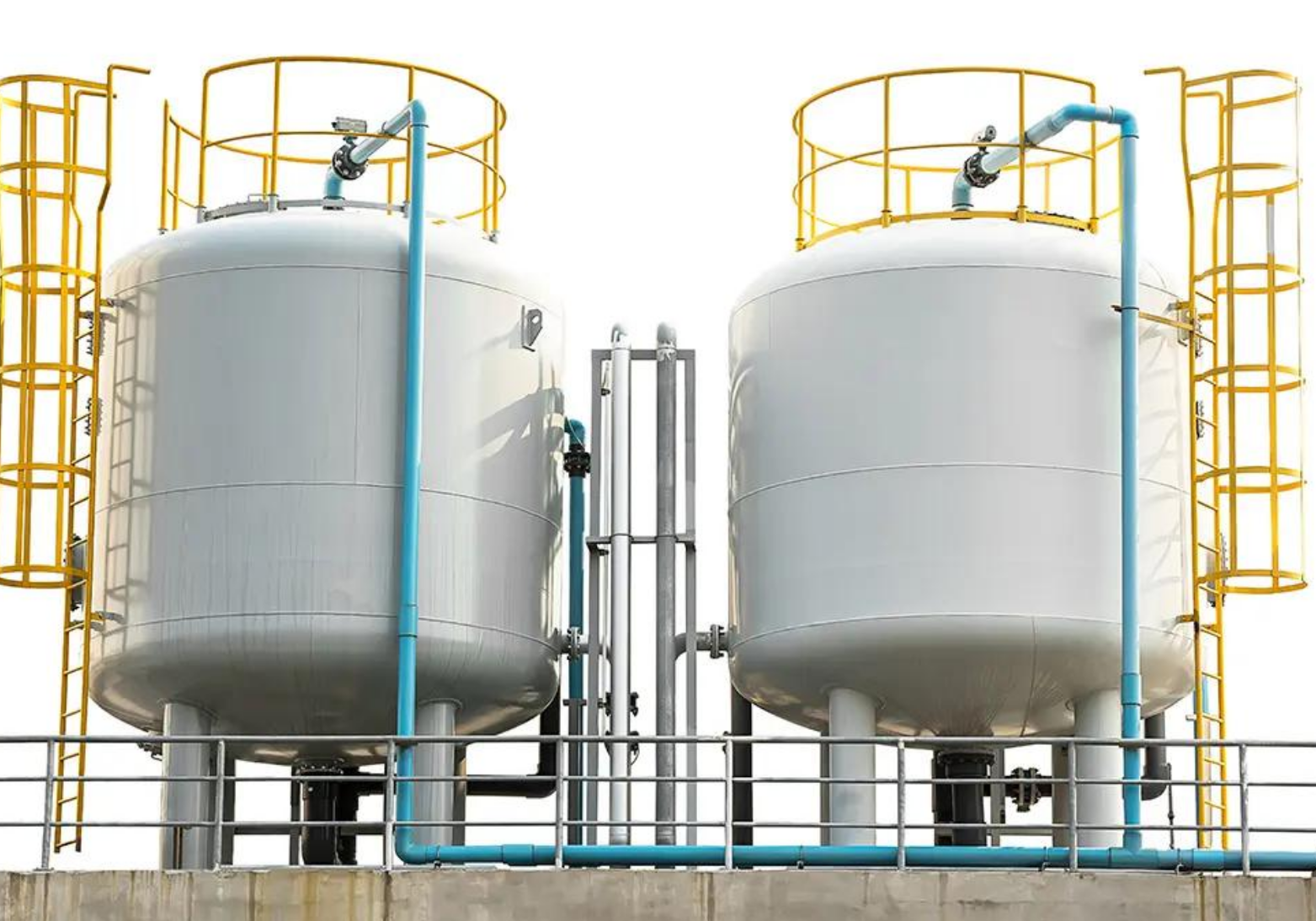
In the chemical industry, storage tanks are often made from engineering plastics or coated metals to ensure safe chemical storage.
The oil and gas industry uses specialized alloys capable of withstanding high pressure and severe corrosion.
In water treatment, chemical-resistant materials protect piping systems, allowing long-term stable operation. Additionally, manufacturing plants use coatings to enhance corrosion resistance.
DEVELOPMENT TRENDS IN CHEMICAL-RESISTANT MATERIALS
In the future, chemical-resistant materials will continue to evolve. Research is focused on developing new materials with higher durability. Nanotechnology is opening new directions, with nano-coatings significantly improving corrosion resistance.
In addition, environmentally friendly materials are gaining attention. New solutions aim to reduce environmental impact while maintaining performance.
CONCLUSION
Chemical-resistant materials play a crucial role in heavy industry. Choosing the right material helps protect equipment and optimize costs. No single material is suitable for all applications, so companies must carefully evaluate operating conditions before making decisions.
In the context of rapid industrial development, investing in appropriate materials will be a key factor in improving efficiency and competitiveness.
VICHEM – AUTHORIZED DISTRIBUTOR OF CHEMICAL ADDITIVES FROM MAJOR BRANDS SUCH AS COVESTRO, SINOPEC, BUHLER,… IN VIETNAM
Vichem is an authorized distributor of chemical additive products from major brands such as Covestro, Sinopec, Buhler,… in the Vietnamese market. We not only provide high-quality products but also deliver after-sales services that meet international standards.
For more information about our products, please contact us via the following channels:
📞 Hotline: 08 1790 1790
📧 Email: contact@vichem.vn
🔎 LinkedIn: Vichem JSC
🌐 Website: www.vichem.vn
📌 Facebook: Vichem JSC