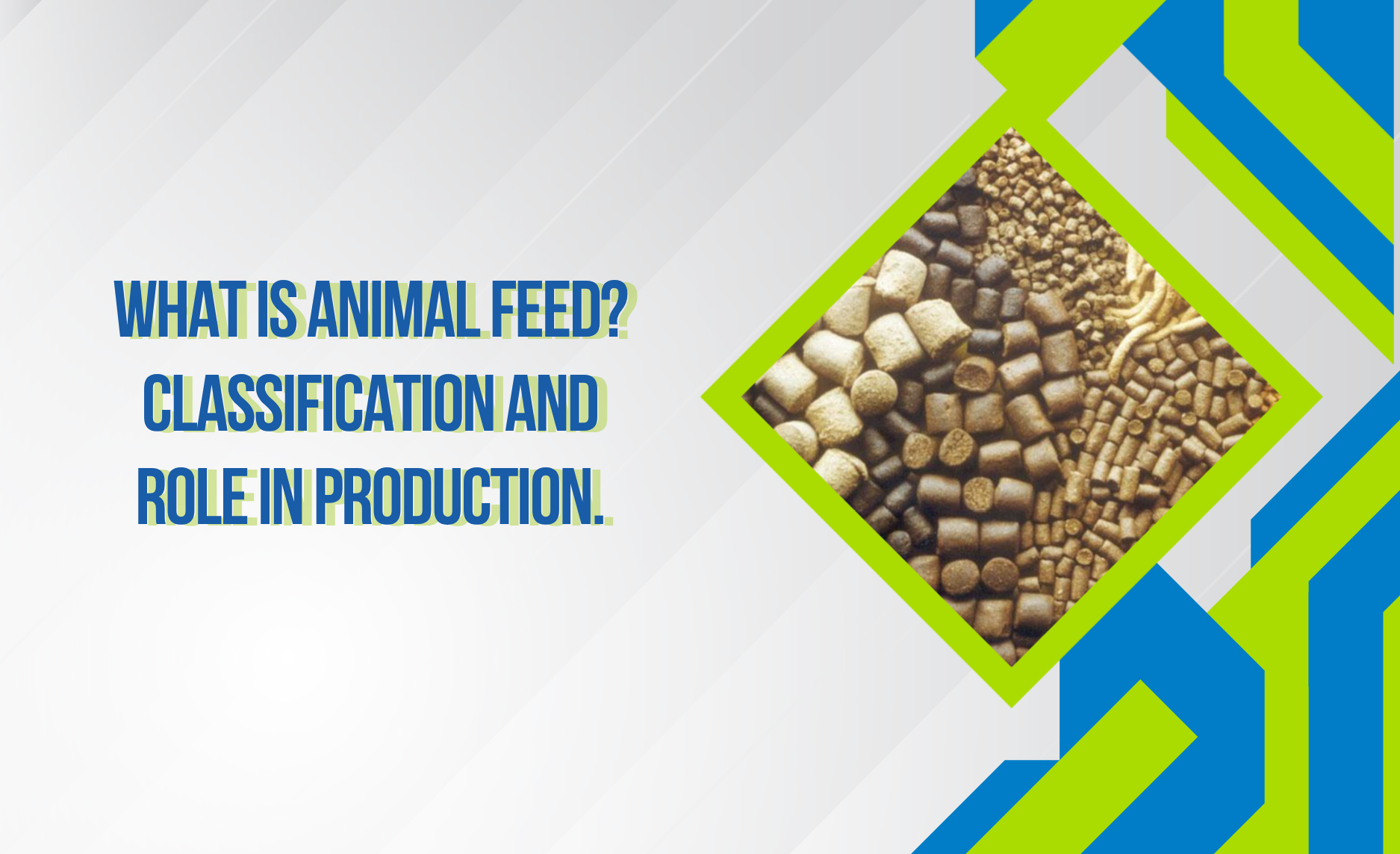
In modern livestock farming, feed is not merely a source of nutrition. It is also a decisive factor affecting economic efficiency, product quality, and the sustainable development of the entire production system.
In practice, feed costs typically account for 60–70% of total livestock production costs. Therefore, understanding the nature of animal feed, its classification, and its role is extremely important for both small-scale farmers and large enterprises.
The article below provides a comprehensive overview of animal feed in the context of modern production.
WHAT IS ANIMAL FEED?
Animal feed includes all materials or products used to nourish livestock. Its primary objective is to provide energy, protein, vitamins, and essential minerals necessary for the survival and development of animals.
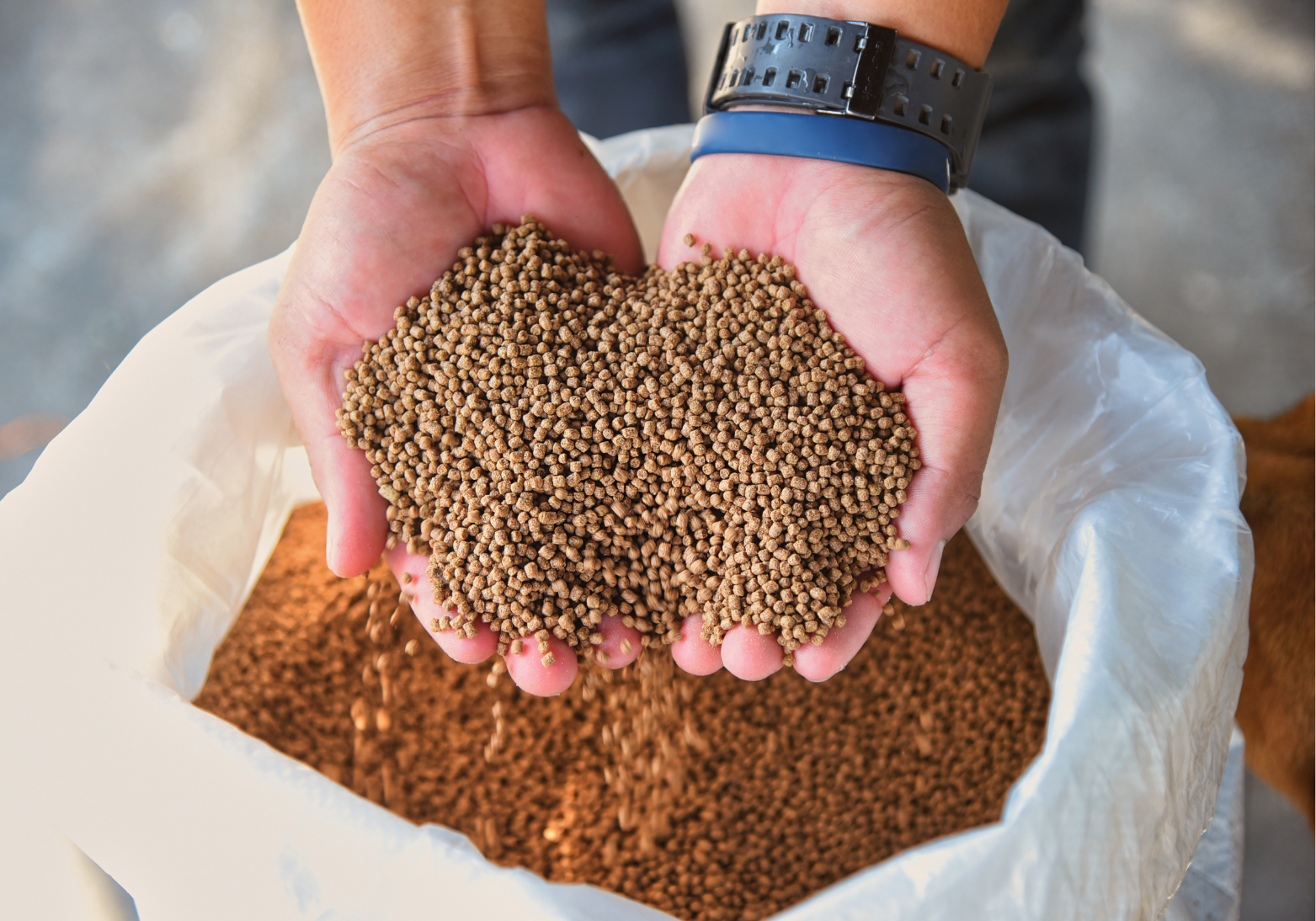
Unlike in the past, animal feed today is no longer limited to raw materials such as bran or corn. Instead, most feed is produced through industrial processes, with carefully researched nutritional formulations aimed at optimizing growth performance.
In modern production, animal feed must also meet various additional criteria, such as ensuring biosecurity, containing no banned substances, being easily digestible, and being suitable for different growth stages. This makes the feed production industry a highly technology-intensive field.
CLASSIFICATION OF ANIMAL FEED
Classification by origin
Plant-based feed group
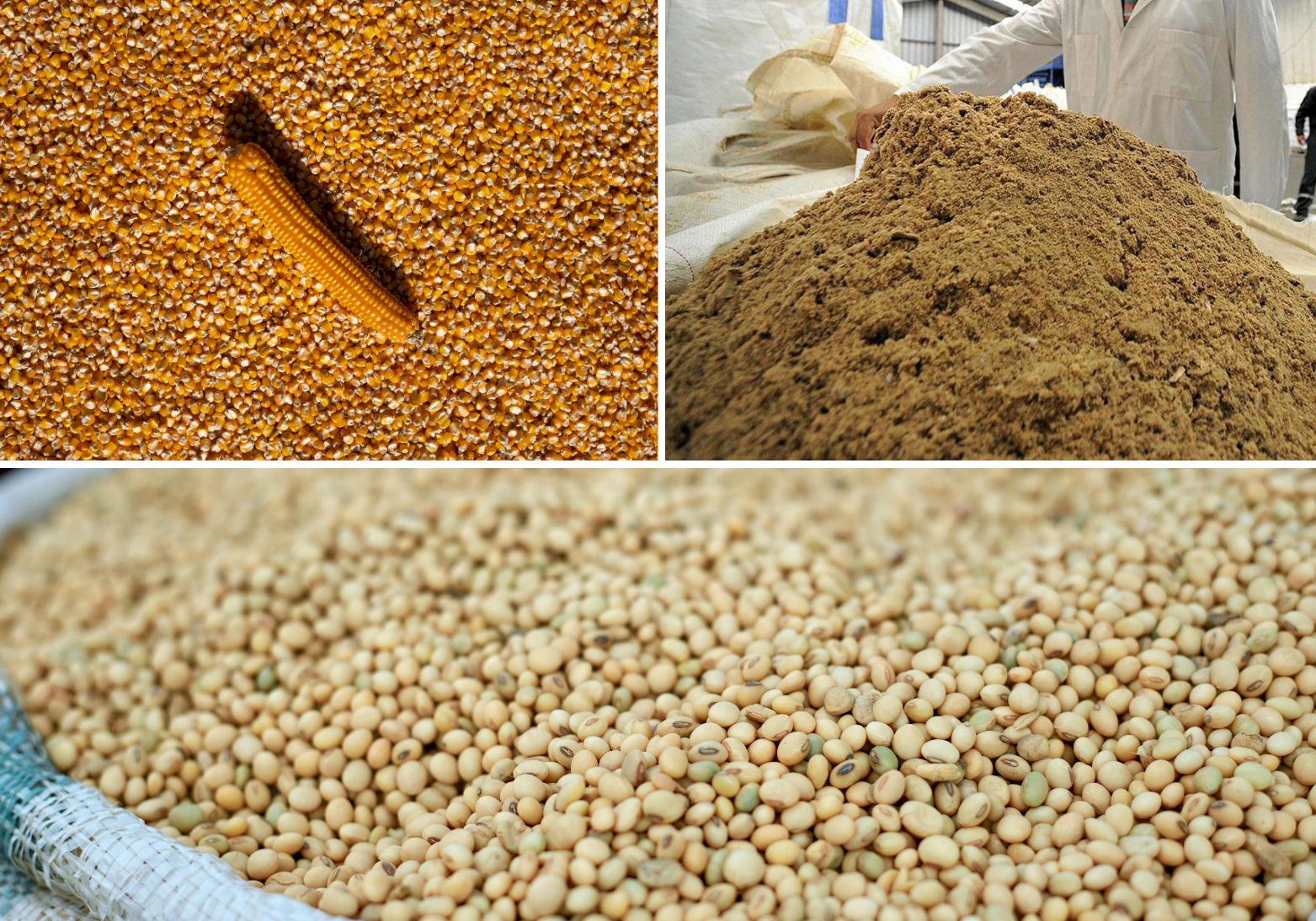
This group accounts for the largest proportion in feed rations. Common ingredients include corn, wheat, rice bran, soybeans, and oilseed meals.
This group mainly provides energy and plant-based protein. Its advantages include ease of production, reasonable cost, and stable supply. However, the content of some essential amino acids may be low, so supplementation with additives is often required.
Animal-based feed group
This includes fish meal, meat meal, bone meal, and by-products from the food processing industry.
This group has high nutritional value, especially in protein and amino acids. However, it is more expensive and requires strict quality control to avoid the risk of disease contamination.
Minerals and additives group
This group does not provide energy but plays a very important role. It includes vitamins, trace minerals, enzymes, and digestive enhancers.
Proper supplementation helps livestock develop healthily, enhances immunity, and improves feed utilization efficiency.
Classification by processing form
Roughage
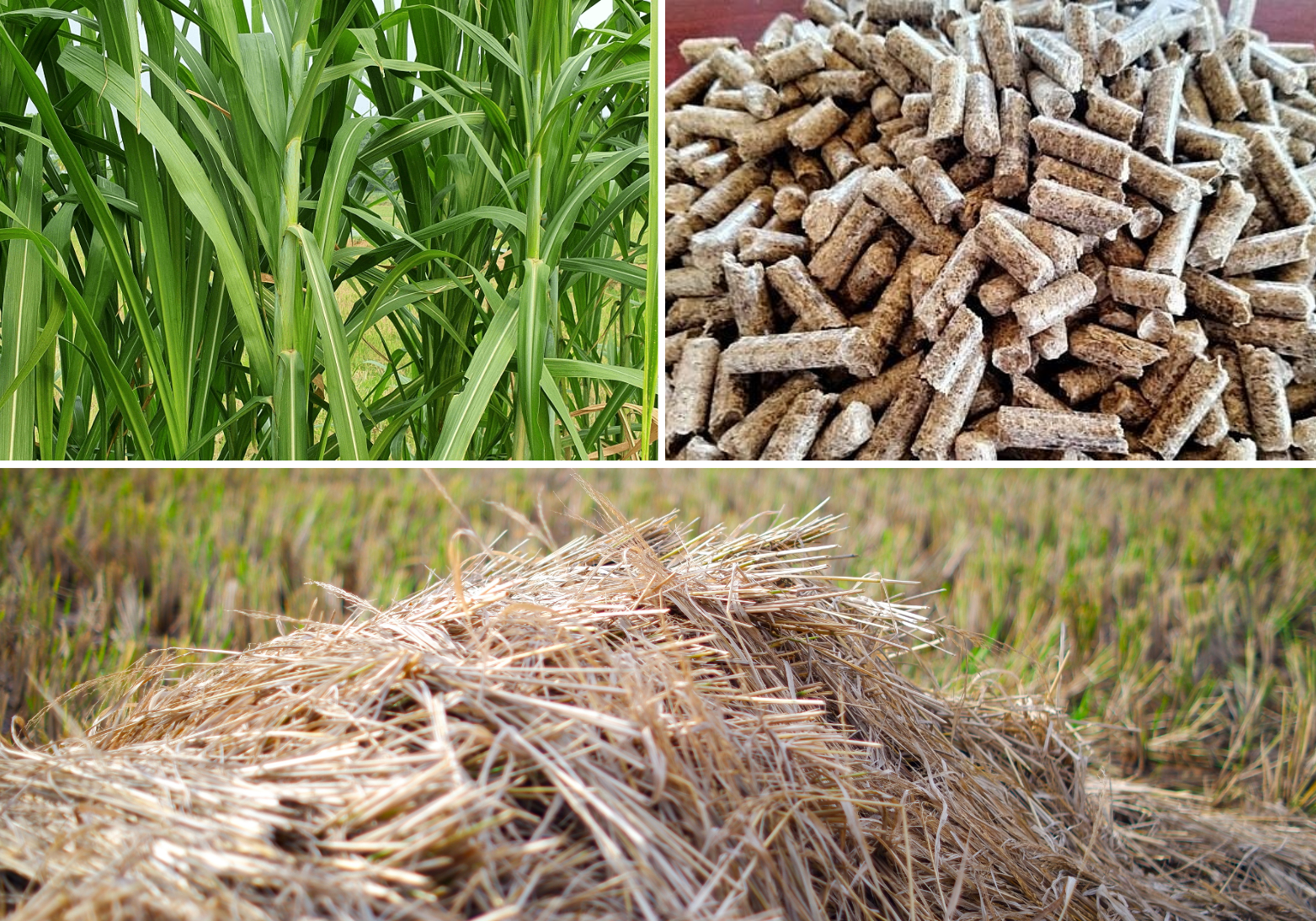
Includes fresh grass, straw, and agricultural by-products. This type is typically used for ruminants such as cattle or goats.
Its advantage is low cost, but its nutritional value is not high and quality control is difficult.
Concentrated feed
Includes grains and processed ingredients. This is the main energy source for livestock.
Compared to roughage, concentrated feed has higher digestibility and supports faster growth.
Complete compound feed
This is the most common form in industrial livestock farming. Ingredients are mixed according to standardized formulations to fully meet nutritional requirements.
This type of feed helps farmers save time and ensures consistent performance.
Classification by purpose of use
Animal feed is also designed specifically for each stage of development.
- Growth feed: promotes rapid development and efficient weight gain
- Reproductive feed: supports reproductive performance and breeding quality
- Maintenance feed: used during stable phases to maintain health
Selecting the appropriate type of feed helps optimize livestock production efficiency.
ROLE
A well-balanced diet helps livestock grow quickly and uniformly. Conversely, nutritional deficiencies lead to slow growth and increased susceptibility to disease. In industrial farming, even small changes in feed formulation can significantly affect productivity.
In addition, the quality of meat, eggs, and milk largely depends on feed. For example, a protein-rich and mineral-balanced diet results in firmer meat and eggs with higher nutritional value. This is a critical factor when targeting export markets.
Efficient feed utilization helps reduce resource waste and minimize environmental impact. This is an inevitable trend in modern livestock farming.
CONCLUSION
Animal feed is the foundation of modern livestock production. It not only provides nutrition but also directly affects productivity, product quality, and economic efficiency.
Understanding feed classification and its role enables farmers to make more informed decisions. At the same time, the application of technology in production opens up opportunities for sustainable development.
In the future, the animal feed industry will continue to innovate. Advanced technological solutions will play an important role in improving production efficiency and quality.
VICHEM – AUTHORIZED DISTRIBUTOR OF BUHLER INDUSTRIAL AND AGRICULTURAL MACHINERY IN VIETNAM
Vichem is an authorized distributor of Buhler industrial and agricultural machinery and equipment in the Vietnamese market. We not only provide high-quality products but also deliver after-sales services that meet international standards.
For more information about our products, please contact us via the following channels:
📞 Hotline: 08 1790 1790
📧 Email: contact@vichem.vn
🔎 LinkedIn: Vichem JSC
🌐 Website: www.vichem.vn
📌 Facebook: Vichem JSC