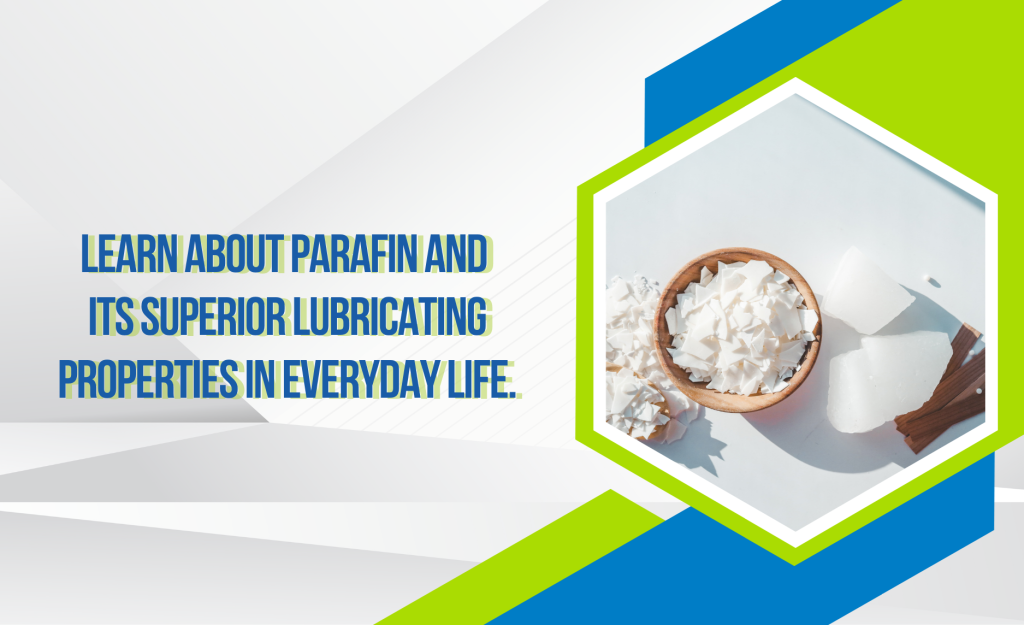
In modern life, many materials are familiar yet often overlooked. Parafin is one of them. It appears in a wide range of everyday products. From candles and cosmetics to industrial applications, it plays an important role. However, few people truly understand its properties—especially its lubrication capability.
In fact, parafin has very unique characteristics. It helps reduce friction and effectively protect surfaces. The article below will help you gain a clearer understanding, from its structure to its real-world applications.
WHAT IS PARAFIN?
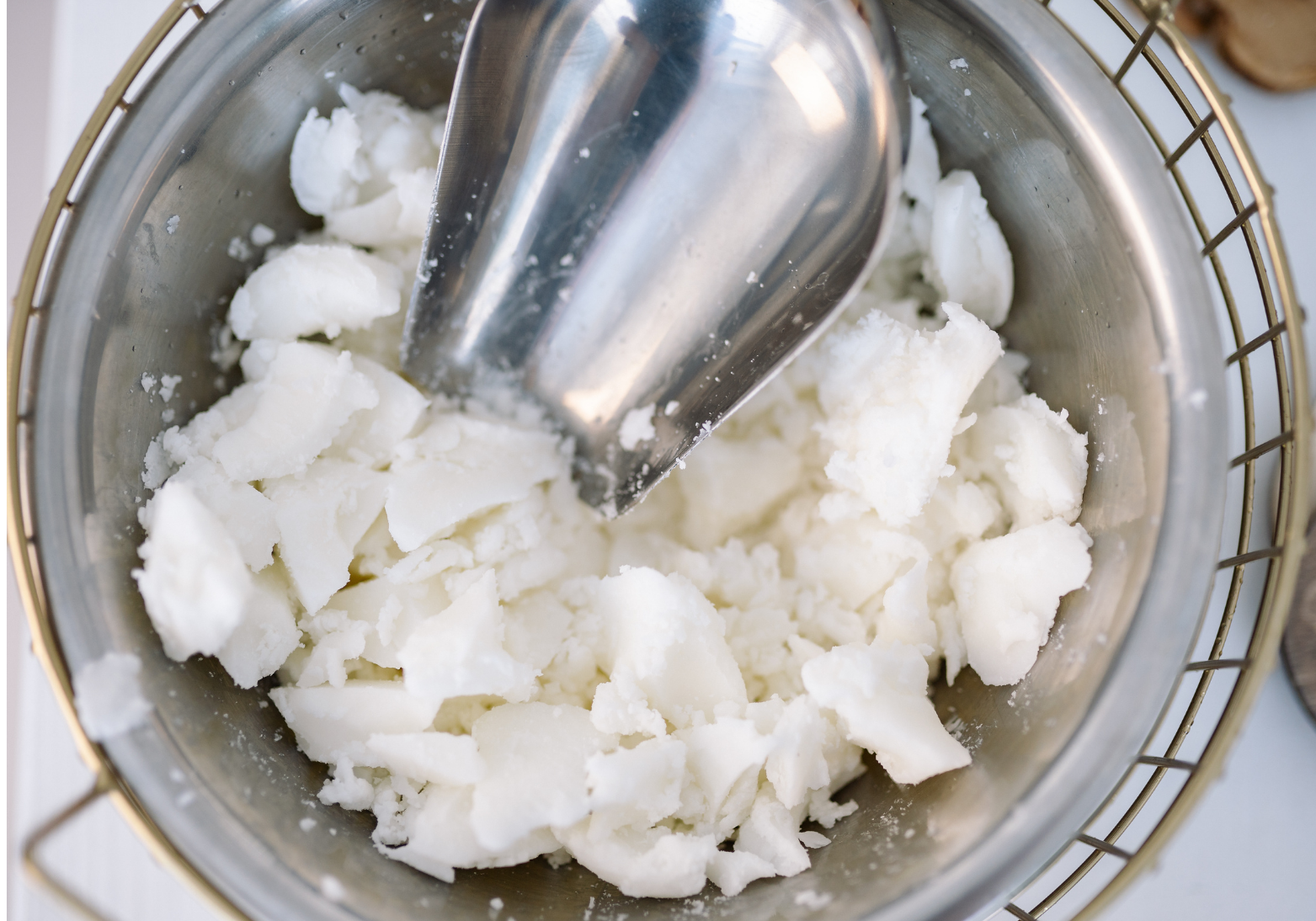
Parafin is a type of hydrocarbon derived from petroleum. Its main components are saturated alkane chains. Under normal conditions, parafin can exist in either solid or liquid form. The solid form is commonly found in candles, while the liquid form is widely used in industrial applications.
Parafin is typically colorless or white, odorless, and chemically inert. These properties make it safe for many applications. In addition, it is insoluble in water but soluble in organic solvents. This characteristic is important in practical use.
LUBRICATION PROPERTIES OF PARAFIN
Parafin exhibits lubrication capability due to its unique molecular structure. Long hydrocarbon chains help reduce friction between surfaces.
When applied, parafin forms a thin film that coats the material surface. This film reduces direct contact between components, thereby significantly lowering friction and minimizing wear during operation.
An important advantage is its high stability. It does not easily decompose under normal conditions, allowing it to maintain long-term lubrication performance.
THE ROLE OF PARAFIN IN LUBRICATION
Parafin is used as a lubricant in many applications. It reduces friction between moving parts, thereby extending equipment lifespan.
Additionally, parafin helps protect surfaces by forming a protective layer that limits exposure to external environments. This is especially beneficial in humid conditions.
In some applications, it also facilitates processing, such as during cutting or molding operations.
APPLICATIONS
Parafin is widely used in daily life. In candle manufacturing, it serves as the main raw material. Its stable combustion ensures effective performance.
In cosmetics, parafin is used for skin care, helping retain moisture and form a protective barrier on the skin surface.
In industry, it functions as a lubricant and anti-stick agent. It is used in food processing and packaging production. Additionally, parafin is applied in the plastics industry, where it improves processing and reduces friction between molds and materials.

ADVANTAGES
Parafin offers several notable advantages. First, it is cost-effective, making it widely accessible for various applications.
It is also safe and has low toxicity, making it suitable for many uses.
Its stable lubrication performance is another key benefit. Parafin performs well under a wide range of conditions. Moreover, it is easy to use and store, helping reduce operational costs.
LIMITATIONS
Despite its advantages, parafin has certain limitations. It is not suitable for high-temperature environments. At elevated temperatures, parafin may melt or evaporate.
Additionally, its load-bearing capacity is lower than that of some specialized lubricants, making it unsuitable for high-load systems.
In some cases, it may leave residues, which need to be controlled during use.
TRENDS
Parafin remains a widely used material today. However, the trend is shifting toward more environmentally friendly products.
Many studies focus on improving parafin to enhance performance while reducing environmental impact.
Additionally, combining it with other additives is being developed to improve lubrication efficiency and expand its range of applications.
CONCLUSION
Parafin is a familiar yet highly useful material. Its lubrication properties help reduce friction and effectively protect surfaces.
From daily life to industrial applications, it plays an important role. It helps optimize processes and improve material performance.
Although it has some limitations, parafin remains a popular choice. When used correctly, it offers many practical benefits.
In the future, it will continue to be improved to better meet the growing demands of the market.
VICHEM – AUTHORIZED DISTRIBUTOR OF CHEMICAL ADDITIVES FROM MAJOR BRANDS SUCH AS COVESTRO, SINOPEC, BUHLER,… IN VIETNAM
Vichem is an authorized distributor of chemical additives from leading brands such as Covestro, Sinopec, Buhler,… in the Vietnamese market. We not only provide high-quality products but also deliver after-sales services that meet international standards.
📞 Hotline: 08 1790 1790
📧 Email: contact@vichem.vn
🔎 LinkedIn: Vichem JSC
🌐 Website: www.vichem.vn
📌 Facebook: Vichem JSC