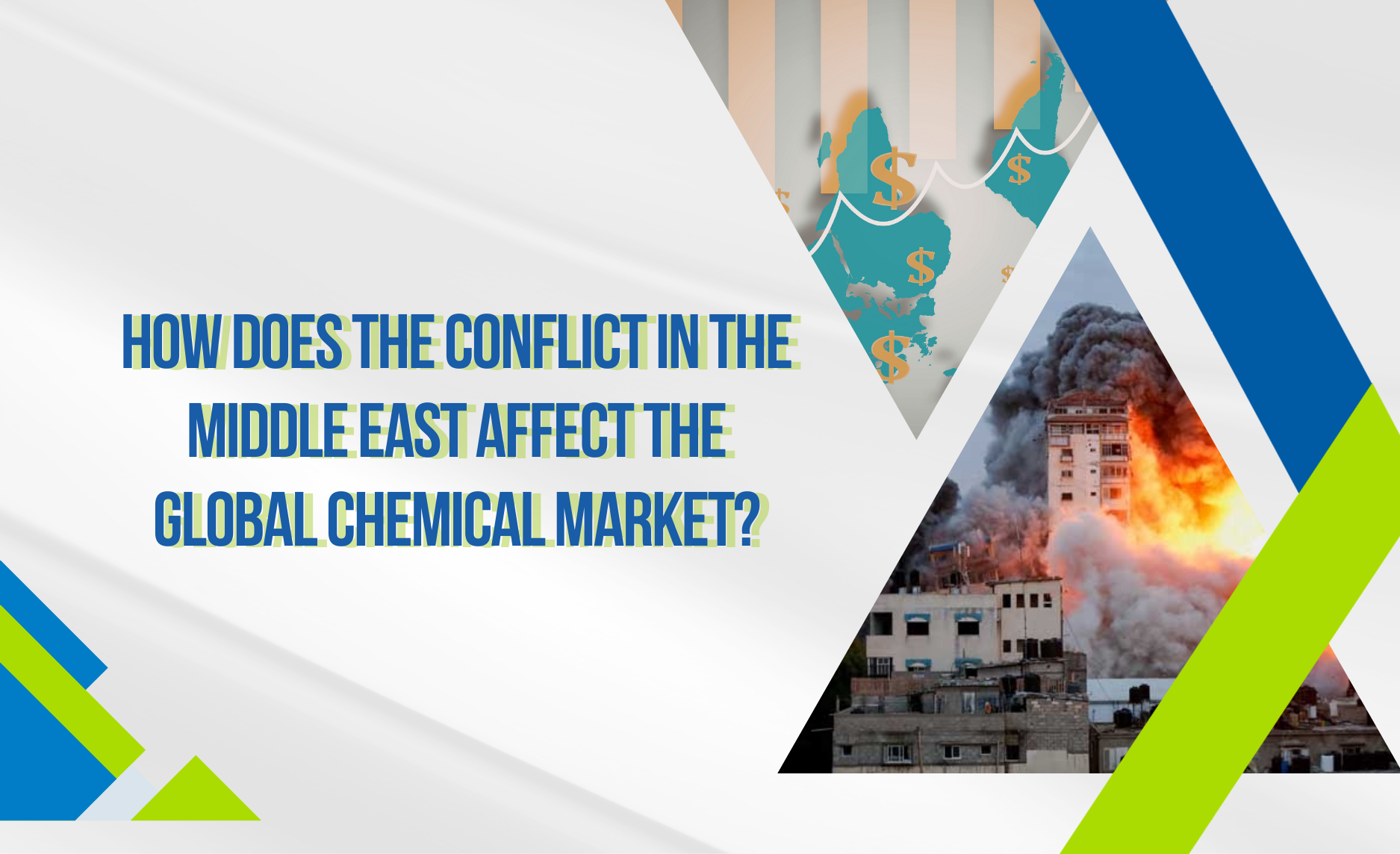
The Middle East is one of the world’s largest centers for energy and petrochemical production. When geopolitical tensions escalate in this region, global energy and chemical markets often experience significant impacts. Fluctuations in oil prices, supply chains, and international logistics can substantially reshape the markets for polymers, basic chemicals, and fertilizers.
Analyzing the impact of Middle East conflicts helps businesses better understand risks within the global chemical supply chain. This is particularly important for manufacturing industries that heavily depend on petrochemical feedstocks.
THE ROLE OF THE MIDDLE EAST IN THE GLOBAL PETROCHEMICAL INDUSTRY
The Middle East plays a crucial role in the global energy system. Several countries in the region, such as Saudi Arabia, Iran, Qatar, and Kuwait, are among the world’s leading producers of crude oil and natural gas.
A key strategic factor is the Strait of Hormuz, a major maritime route connecting the Persian Gulf to international markets. Approximately 20% of global crude oil and LNG supplies pass through this corridor, making the region a critical chokepoint for global energy trade.
Beyond crude oil, the Middle East is also an important hub for petrochemical production. Common products include polyethylene, polypropylene, methanol, and ammonia. These are essential raw materials for industries such as plastics, coatings, textiles, and fertilizers. As a result, any instability in the Middle East can significantly affect the global chemical supply.
MIDDLE EAST CONFLICTS CAUSE VOLATILITY IN GLOBAL ENERGY PRICES
Oil prices surge when supply is disrupted
Conflicts often trigger concerns about potential disruptions to oil supply. As geopolitical tensions rise, oil prices typically increase sharply. This occurs because investors anticipate possible production declines or transportation bottlenecks.
Oil prices are a critical factor for the chemical industry. Many petrochemical products are manufactured from oil-derived feedstocks. When oil prices rise, chemical production costs increase accordingly.
Natural gas prices are also affected
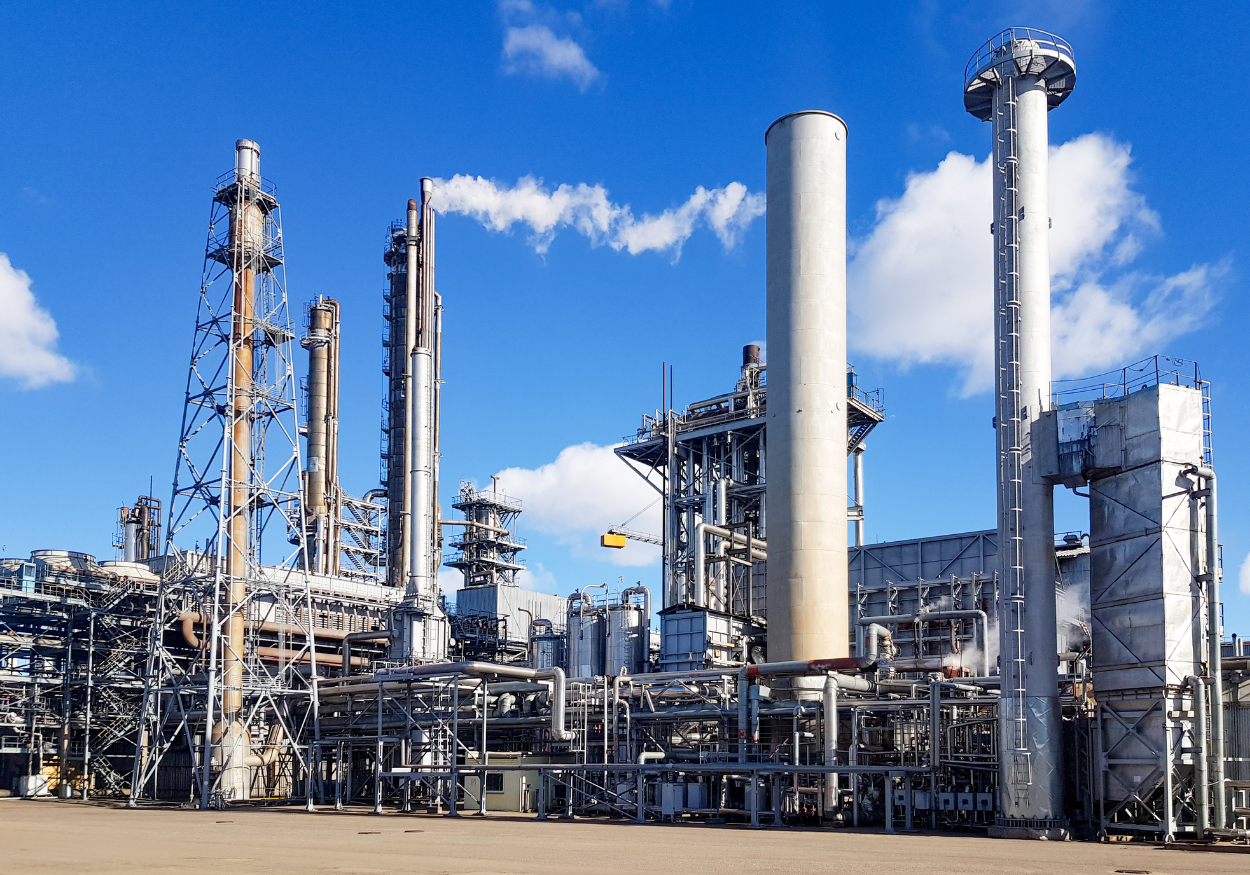
Natural gas is a key feedstock in many chemical processes. It is used to produce ammonia, methanol, and various basic chemicals. The Middle East is one of the world’s major LNG exporting regions.
When conflicts disrupt natural gas supply, chemical production costs may increase. This particularly affects the fertilizer sector and other heavy industries.
IMPACT ON GLOBAL CHEMICAL SUPPLY CHAINS
Shipping and logistics disruptions
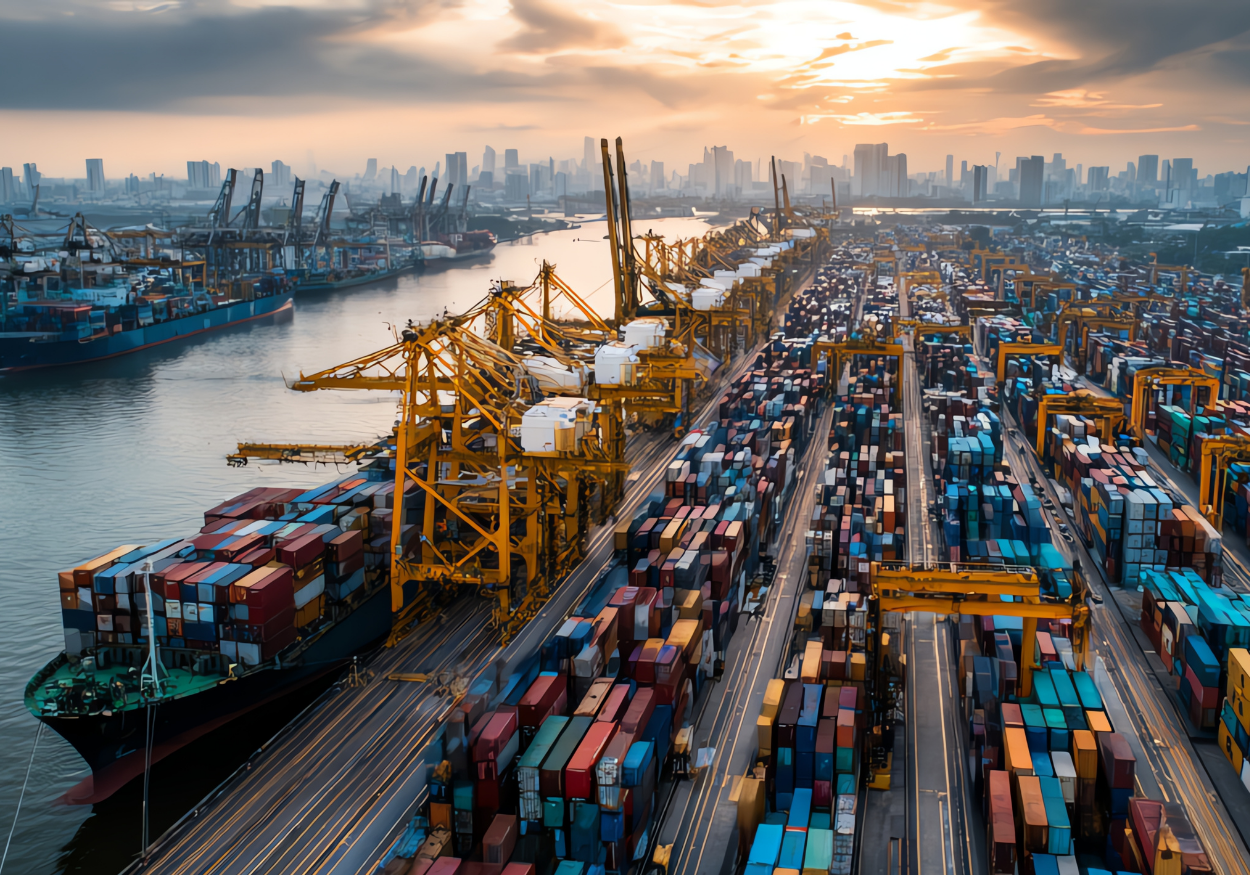
Conflicts in the Middle East can disrupt international shipping routes. Many oil and chemical tankers may need to reroute to avoid high-risk areas, resulting in longer transit times.
Logistics costs also rise significantly when shipping routes are altered. Companies must bear additional fuel and freight costs, increasing the overall cost of many chemical products.
Rising shipping insurance costs
In conflict zones, cargo vessels often face additional war risk insurance premiums. These are extra costs to compensate for transportation risks during shipping operations.
Higher insurance premiums increase total logistics costs, which in turn drives up prices for chemicals and petrochemical feedstocks in international markets.
CHEMICAL AND POLYMER PRICES TEND TO RISE
Impact on polymers and virgin plastics
Polymers such as polyethylene and polypropylene are produced from ethylene and propylene. These feedstocks are derived from crude oil and natural gas.
When energy prices increase, polymer production costs rise accordingly. As a result, prices for virgin plastics in the global market tend to increase. Many industries—including packaging, construction, and automotive—are directly affected.
Fertilizer and basic chemical markets
In addition to polymers, many basic chemicals are also affected by Middle East conflicts. Products such as ammonia, urea, and sulfur rely heavily on feedstocks from this region.
When transportation is disrupted, fertilizer supply may decline, which can lead to higher fertilizer prices in international markets.
LONG-TERM IMPACT ON THE CHEMICAL MARKET
As geopolitical risks increase, many companies tend to seek alternative supply sources. Businesses may diversify feedstock procurement across different regions to reduce dependence on a single supply base. However, supply chain restructuring typically requires significant time and investment.
If conflicts persist, the chemical market may experience prolonged volatility. Feedstock prices and logistics costs could continue to rise, creating challenges for manufacturers. Industries that rely heavily on chemicals—such as plastics, coatings, and textiles—may face significant cost pressures.
CONCLUSION
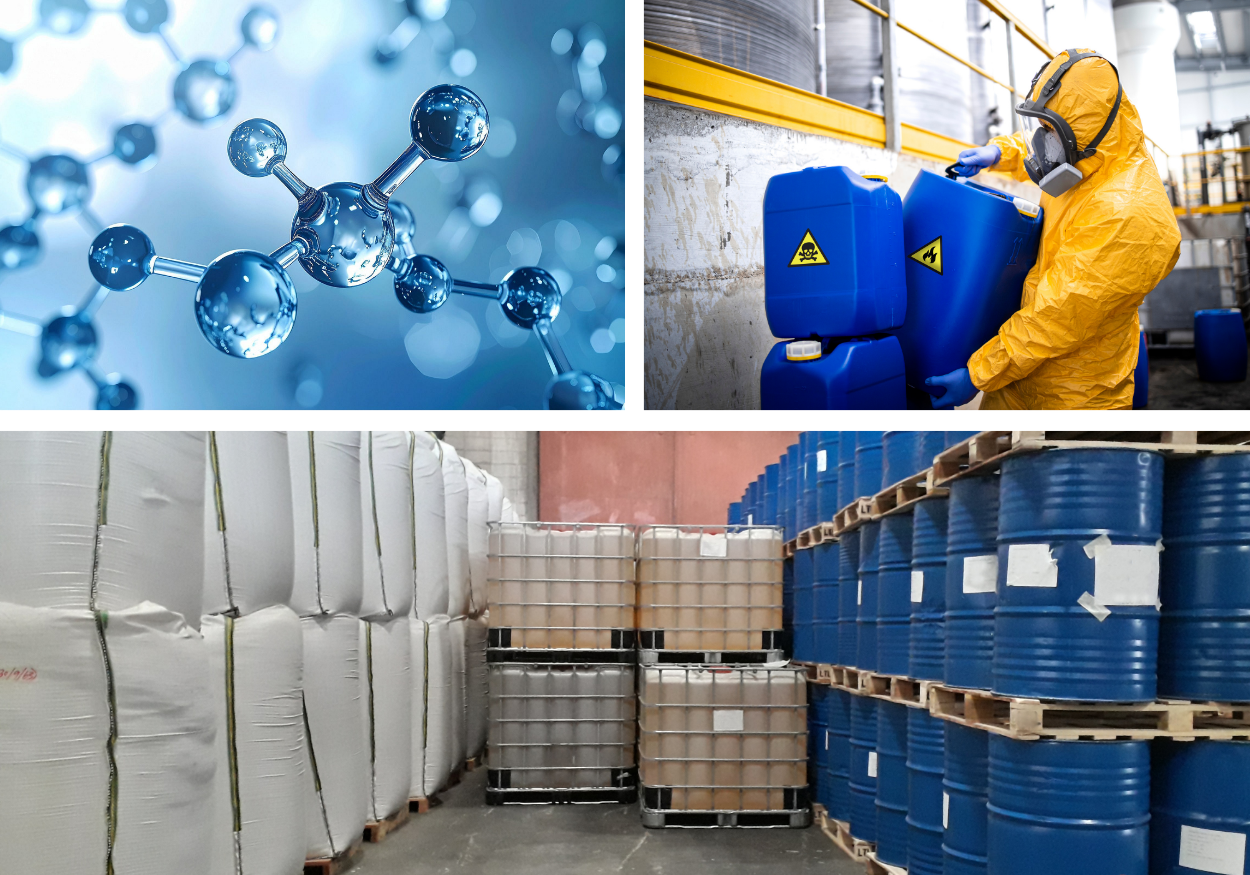
Conflicts in the Middle East can significantly impact the global chemical market. The region plays a critical role in global energy and petrochemical supply, meaning any instability can affect international supply chains.
Rising oil prices, higher transportation costs, and increased geopolitical risks are making the chemical market more volatile. In this context, companies need to closely monitor market developments in order to build appropriate sourcing strategies and mitigate risks.
VICHEM – AUTHORIZED DISTRIBUTOR OF CHEMICAL ADDITIVES FROM LEADING BRANDS SUCH AS COVESTRO, SINOPEC, BUHLER,… IN VIETNAM
Vichem is an authorized distributor of chemical additive products from major brands such as Covestro, Sinopec, Buhler, and others in the Vietnamese market. We not only provide high-quality products but also deliver after-sales services that meet international standards.
For more information about our products, please contact us through the following channels:
📞 Hotline: 08 1790 1790
📧 Email: contact@vichem.vn
🔎 LinkedIn: Vichem JSC
🌐 Website: www.vichem.vn
📌 Facebook: Vichem JSC