Table of content
ToggleWHAT IS FLEXO PRINTING INK?
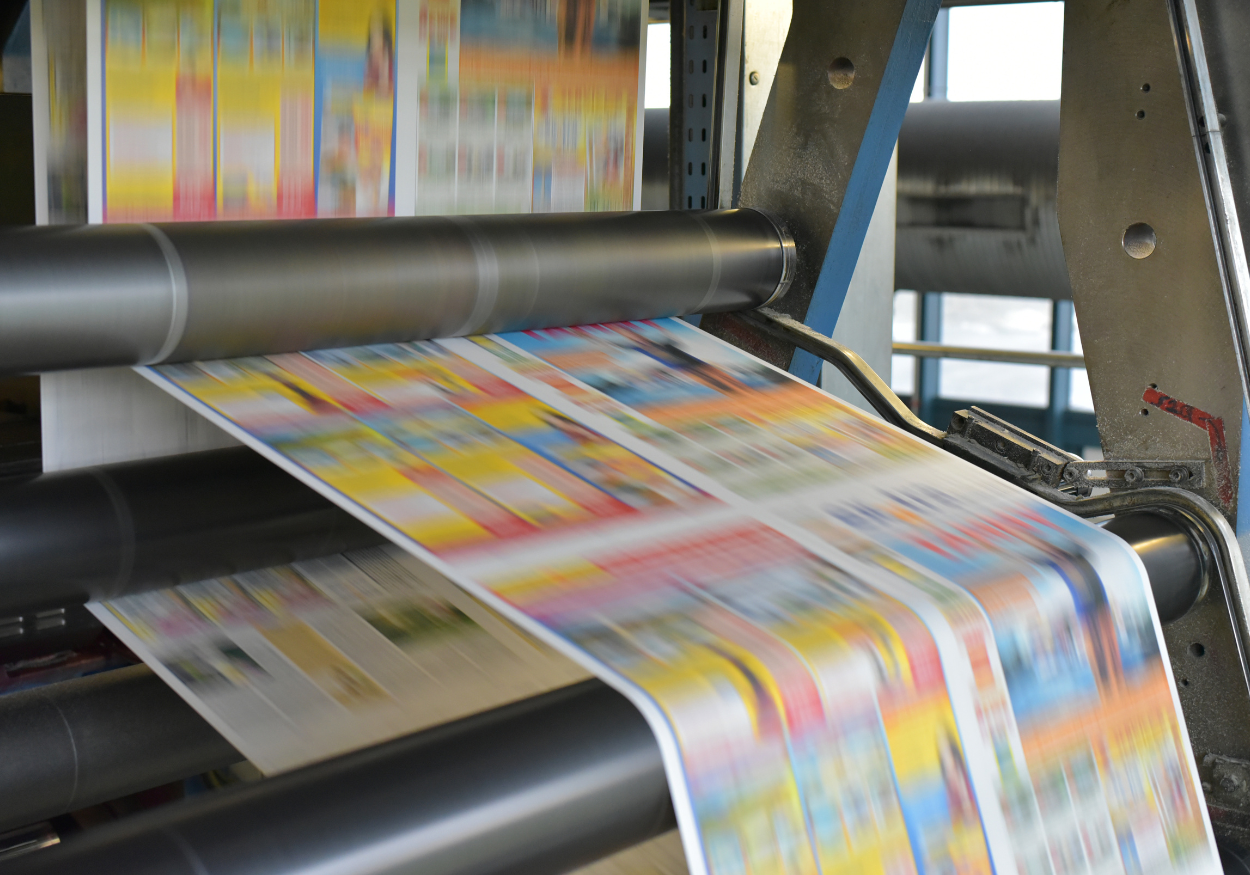
Flexo printing ink is a specialized ink used for flexographic printing technology. This technology uses raised printing plates and an anilox roller. The ink is transferred evenly onto the printing surface.
This type of ink has low viscosity and dries quickly. This makes it suitable for high-speed printing. As a result, flexo printing is widely used in packaging.
Flexographic ink can be applied to many materials. Paper, plastic films, and cardboard are all suitable. Flexibility is a major advantage.

THE ROLE OF FLEXO PRINTING INK IN PRINTING
Flexo printing ink determines image quality. Sharpness and ink adhesion depend heavily on the ink. The printed layer must be even and stable.
Ink also affects production speed. Fast-drying ink reduces waiting time. Production line efficiency is improved.
In addition, flexographic ink is related to safety. Food packaging requires inks that meet strict standards. Ink selection is therefore very important.
CLASSIFICATION OF FLEXO PRINTING INK
Water-Based Ink
Water-based flexo ink uses water as the main solvent. This type of ink is environmentally friendly. VOC content is very low.
The ink dries through water evaporation. Proper drying systems are required. It is very effective for printing on paper and cardboard.
However, the ink is sensitive to humidity. Environmental conditions must be controlled. This helps maintain stable print quality.
Solvent-Based Ink
Solvent-based flexographic ink uses organic solvents. It has excellent adhesion on plastic films. Colors are usually strong and sharp.
This ink dries very quickly. It is suitable for high-speed printing. Common applications include plastic packaging.
The downside is higher odor and VOC emissions. Good ventilation systems are required. Safety regulations must be followed.
UV Ink
UV flexo ink dries by UV light curing. Drying time is almost instantaneous. The printed surface is very durable and glossy.
UV ink does not rely on solvent evaporation. This helps reduce emissions. Print quality is highly consistent.
However, the initial investment cost is higher. UV lamp systems are required. It is suitable for high-end printing.
BASIC COMPONENTS OF FLEXOGRAPHIC INK
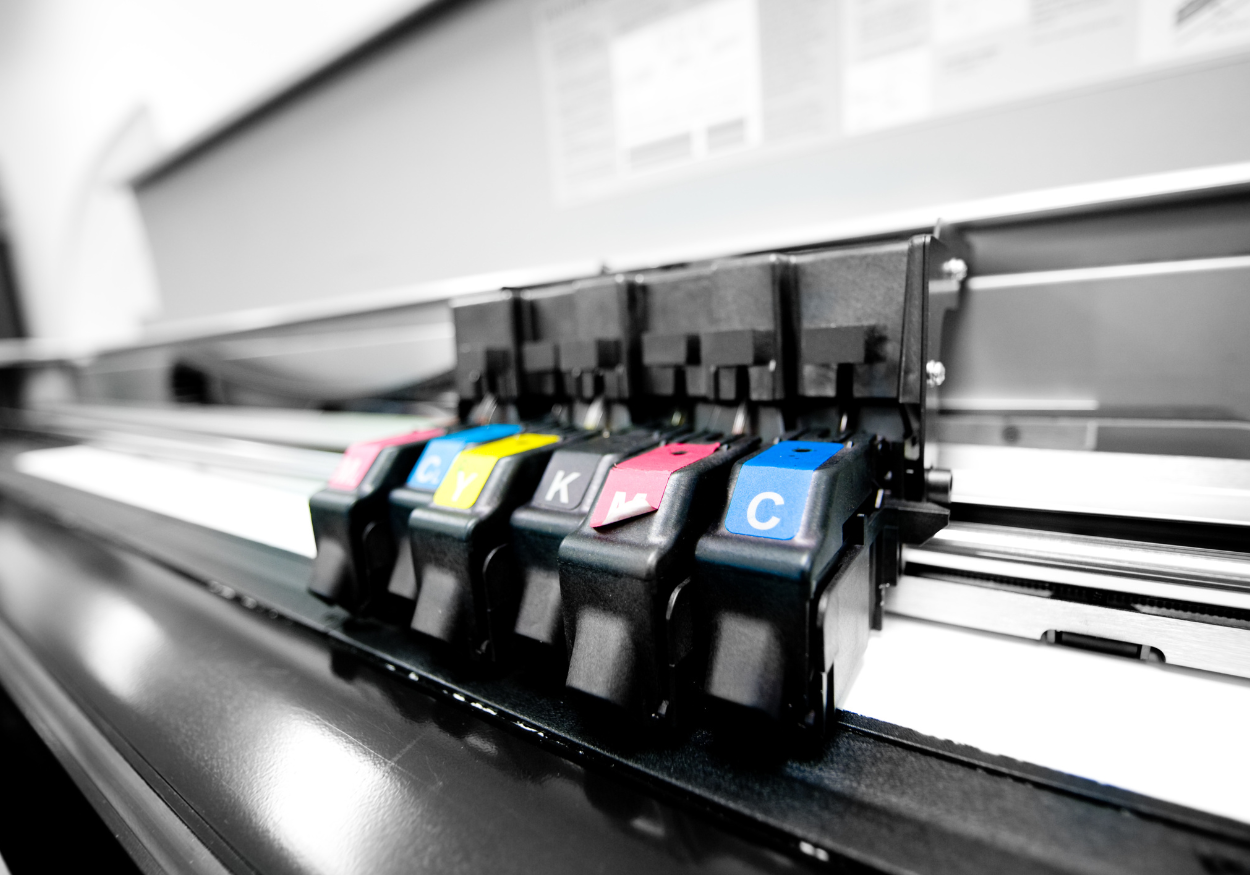
Flexographic ink consists of colorants and binders. Colorants determine the ink color. Binders provide adhesion.
Solvents help adjust ink viscosity. The ink must be fluid enough to transfer through the anilox roller. Viscosity directly affects print quality.
Additives are also included. They improve flow and durability. Ink formulation must be well balanced.
HOW TO USE FLEXO INK EFFECTIVELY
Controlling Ink Viscosity
Flexo ink viscosity must be carefully controlled. Ink that is too thick causes uneven printing. Ink that is too thin causes color bleeding.
Viscosity should be measured regularly during printing. Adjustments are made using suitable solvents. This helps maintain consistent quality.
Ambient temperature also affects viscosity. High temperatures make ink thinner faster. Regular monitoring is required.
Choosing the Right Ink for the Substrate
Each printing material requires a suitable ink. Paper and plastic films have different surface properties. The ink must be compatible.
Flexographic ink for food packaging must be safe. It must not allow harmful substance migration. Safety standards must be met.
Pre-testing before mass production is essential. This helps reduce risks. Product quality is ensured.
Ink Storage and Mixing
Flexo ink should be thoroughly stirred before use. This ensures uniform pigment dispersion. It prevents pigment settling.
Ink should be stored in a dry place. Avoid high temperatures and direct sunlight. Ink quality will remain stable.
Old and new inks should not be mixed arbitrarily. Differences in formulation can cause defects. Manufacturer guidelines must be followed.
PRACTICAL APPLICATIONS OF FLEXO PRINTING INK
Flexo ink is widely used in food packaging. Plastic bags and paper boxes are common applications. Printing requirements are very strict.
Industrial packaging also uses flexo ink extensively. Cement and chemical packaging rely on it. The ink must have high durability.
Labels are another major application. High speed and reasonable cost are key advantages. This makes flexo printing very competitive.
SAFETY AND ENVIRONMENTAL CONSIDERATIONS
Flexographic ink must be used according to proper procedures. Prolonged direct contact should be avoided. Protective equipment is necessary.
Water-based or UV inks should be prioritized when possible. This helps reduce emissions. Green trends are increasingly important.
Ink waste must be handled properly. It should not be discharged directly into the environment. Environmental responsibility is critical.
CONCLUSION
Flexo printing ink is a core element in packaging printing. Proper classification helps optimize printing efficiency. Product quality is improved.
Understanding how to use flexo ink correctly is essential. Good control reduces defects. Production costs are optimized.
In the future, flexographic ink will continue to evolve. Safety and sustainability are key trends. Businesses need to stay updated.
VICHEM – AUTHORIZED DISTRIBUTOR OF ZEALAN INDUSTRIAL PIGMENTS IN VIETNAM
Vichem is the authorized distributor of Zealan industrial pigment products in the Vietnamese market. We not only supply high-quality products but also provide international-standard after-sales services.
- Technical consulting: Support customers in selecting products suitable for their application.
- Color-matching tests: Vichem specialists perform matching tests to ensure results meet design standards.
- On-site application support: Assist customers during integration into production lines to ensure optimal performance.
For more information, please contact us:
📞 Hotline: 08 1790 1790
📧 Email: contact@vichem.vn
🔎 LinkedIn: Vichem JSC
🌐 Website: www.vichem.vn
📌 Facebook: Vichem JSC