In beer production, the accuracy of dosing scales directly affects the quality of the final product. Even a minor deviation can alter the flavor and stability of the beer. Therefore, calibrating MSDL scales is a mandatory task in all modern breweries. This activity not only helps control raw materials but also ensures compliance with quality management standards. A clear understanding of calibration enables businesses to operate more efficiently.
WHAT IS MSDL SCALE CALIBRATION?
Scale calibration is the process of checking and adjusting measuring equipment to ensure accurate results. During this process, standard weights are used for comparison to determine measurement errors. The primary goal is to ensure that the equipment operates correctly within permissible limits.
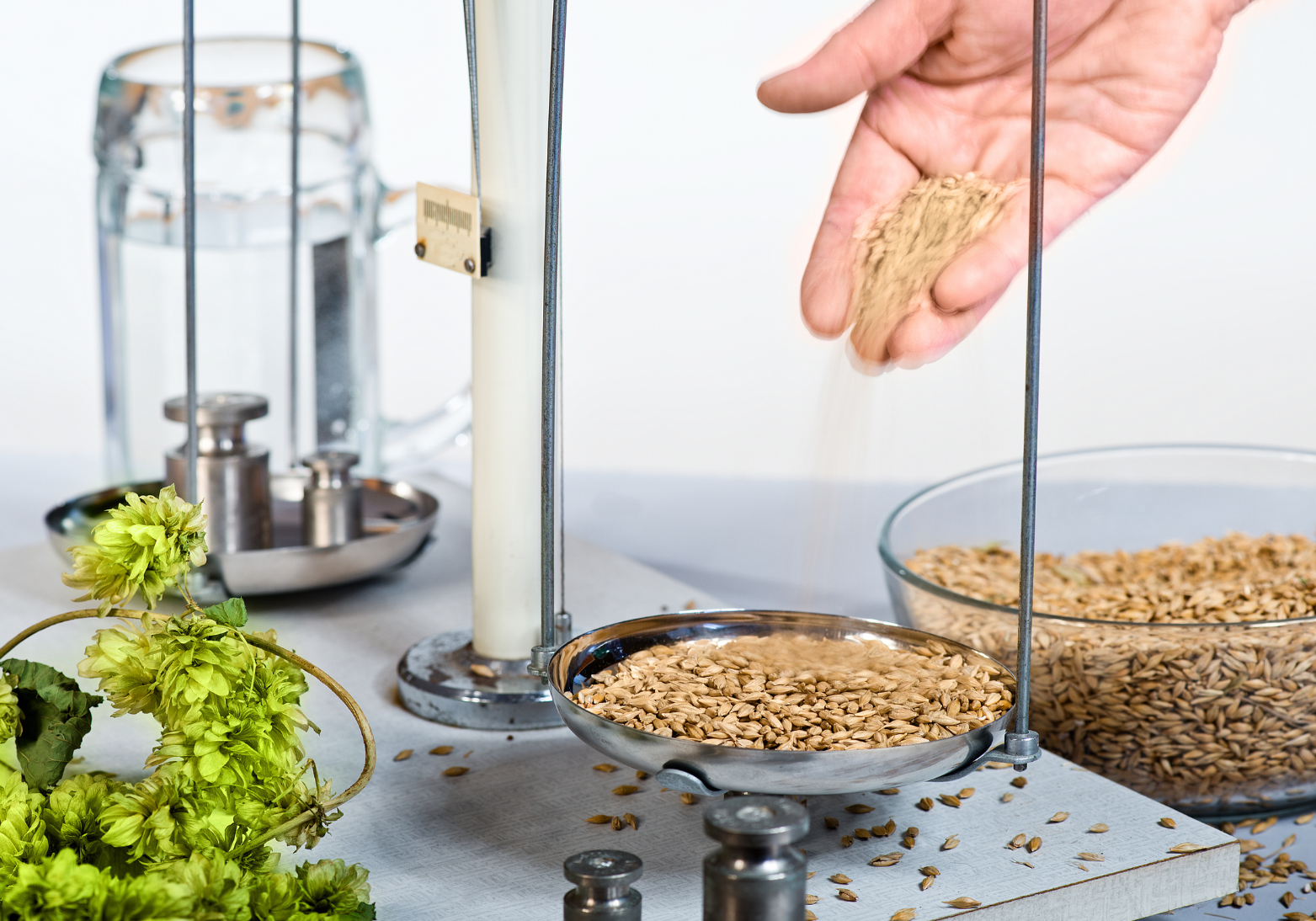
For MSDL scales in breweries, calibration is particularly important. These scales are used to dose raw materials such as malt, hops, and additives. If the scale is inaccurate, the production formula will be affected. This leads to changes in beer quality and may cause significant losses.

ROLE
Ensuring consistent product quality
Beer is highly sensitive to ingredient ratios. When measurements are accurate, the flavor and color of the beer can be better controlled. Conversely, even small errors can alter the consumer experience.
Reducing losses
Calibration also helps reduce raw material losses during production. When scales operate accurately, the amount of material used is optimized. This helps businesses save costs and improve production efficiency.
Meeting quality standards
In addition, calibration helps breweries comply with quality standards such as ISO or HACCP. These standards require measuring equipment to be periodically inspected. When procedures are properly followed, businesses can easily pass inspections and audits.
CAUSES OF MSDL SCALE DEVIATION
During operation, MSDL scales may become inaccurate due to various factors. Environmental conditions are among the most common causes. Changes in temperature and humidity can affect measurement results. When the environment is unstable, the accuracy of the scale decreases.
Mechanical wear is another factor to consider. After prolonged use, internal components of the scale may wear out. This reduces sensor sensitivity and leads to measurement errors.
Physical impacts can also have significant effects. Vibrations from surrounding machinery or shocks during operation may distort measurement results.
In addition, unstable power supply is a potential cause. When voltage fluctuates, the scale’s sensor system may not function accurately. This results in measurement deviations over time.
MSDL SCALE CALIBRATION PROCESS
Before calibration, thorough preparation is required. The equipment must be inspected to ensure it is functioning properly. At the same time, standard weights with higher accuracy than the scale being tested must be used. Environmental conditions must also be controlled to avoid affecting the results.
During calibration, technicians perform various tests. They place the same weight multiple times to check repeatability. Then, the scale is tested at different load levels to evaluate linearity. Additionally, placing loads at different positions helps determine eccentricity errors.
After completing the tests, the results are analyzed to determine errors. If the error exceeds the allowable limit, the scale must be adjusted or repaired. All results must be fully documented for future inspections.
CALIBRATION INTERVAL
The calibration interval for scales in breweries typically ranges from six to twelve months. However, this period may vary depending on usage conditions. If the scale operates continuously or in harsh environments, more frequent calibration is required.
Calibration should also be performed immediately when abnormalities are detected. After repairs or when the scale experiences strong impacts, rechecking is essential. This ensures the equipment always operates accurately.
APPLICABLE STANDARDS
Scale calibration in breweries must comply with international metrology standards. Standards such as ISO/IEC 17025 or OIML clearly define testing methods and permissible error limits.
Applying these standards ensures consistency in measurement. At the same time, it enhances the company’s credibility with partners and customers.
ADVANTAGES
Periodic calibration offers many practical benefits. First, it ensures the accuracy of measuring equipment. As a result, the production process is better controlled. In addition, calibration helps reduce operating costs. When materials are dosed accurately, waste is minimized.
Another benefit is extending equipment lifespan. With regular inspections, issues can be detected early. This helps prevent serious failures. Calibration also helps businesses meet audit requirements and enhance their reputation in the market.
DISADVANTAGES AND NOTES
Despite its benefits, calibration has some limitations. The process may temporarily interrupt production activities. In addition, the cost of hiring specialized service providers must be considered.
An important note is that certified standard equipment must be used. If the standard weights are inaccurate, the entire calibration process becomes unreliable.
Furthermore, operators must strictly follow procedures. This ensures that calibration results accurately reflect actual conditions.
TRENDS
Currently, many breweries are applying automation technologies in weighing systems. Modern equipment can automatically detect deviations and alert operators.
In addition, IoT technology is being widely adopted. Data from scales can be monitored remotely and analyzed in real time. This improves management efficiency.
Despite technological advancements, periodic calibration still plays a crucial role. It is a key factor in ensuring long-term accuracy of equipment.
CONCLUSION
Calibration of MSDL scales is an indispensable part of brewery operations. This activity ensures accuracy in raw material dosing and maintains product quality.
Thanks to calibration, businesses can reduce costs, improve efficiency, and meet production standards. Although it has some limitations, it remains an essential solution in modern manufacturing.
When properly implemented, scale calibration delivers significant value and contributes to the sustainable development of the brewing industry.
VICHEM – AUTHORIZED DISTRIBUTOR OF BUHLER INDUSTRIAL AND AGRICULTURAL MACHINERY IN VIETNAM
Vichem is an authorized distributor of Buhler industrial and agricultural machinery products in the Vietnamese market. We not only provide high-quality products but also deliver after-sales services that meet international standards.
For more information about our products, please contact us via the following channels:
📞 Hotline: 08 1790 1790
📧 Email: contact@vichem.vn
🔎 LinkedIn: Vichem JSC
🌐 Website: www.vichem.vn
📌 Facebook: Vichem JSC