Yellowing of epoxy flooring is a common issue after a period of use. This phenomenon not only reduces aesthetic appeal but also raises concerns about construction quality. In fact, yellowing is a typical physical–chemical reaction when the coating system is not properly selected or protected.
In this article, we clearly analyze the causes of epoxy floor yellowing, effective repair solutions for different severity levels, and preventive measures for future projects. Understanding the root causes helps reduce costs and extend floor service life.
WHAT IS EPOXY FLOOR YELLOWING?
Epoxy floor yellowing refers to the surface color changing from its original shade to light or dark yellow over time. This change occurs gradually during use. The level of discoloration may be mild or visibly uneven.
Yellowing does not necessarily indicate peeling or structural failure. However, it directly affects visual appearance. For projects requiring white or transparent finishes, the issue is especially noticeable.
CAUSES OF EPOXY FLOOR YELLOWING
UV exposure
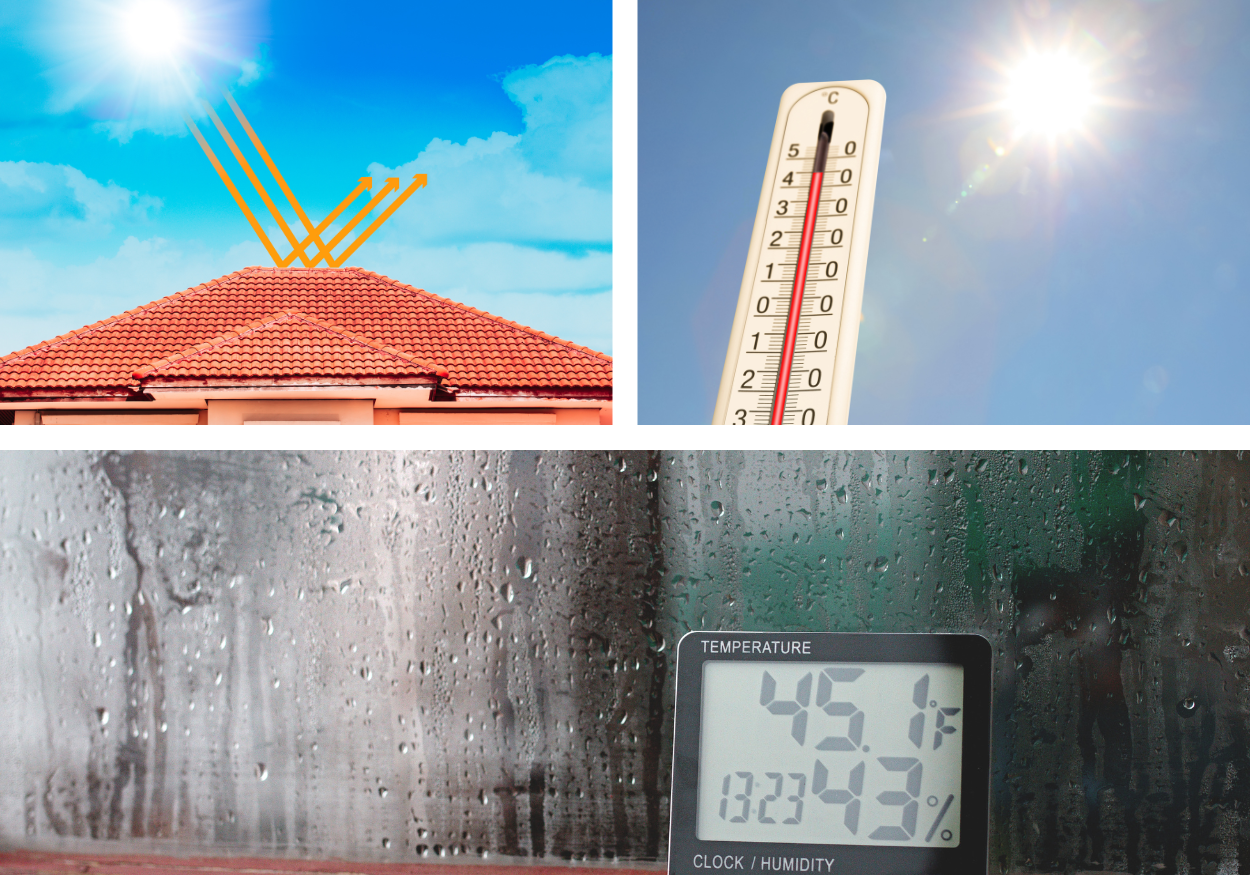
This is the most common cause of epoxy floor yellowing. Most Bisphenol A–based epoxy resins are highly sensitive to UV radiation. Prolonged exposure to sunlight breaks down the polymer structure.
This degradation forms yellow chromophoric groups within the coating film. The more direct sunlight the floor receives, the faster yellowing occurs. This is typical in offices, showrooms, and factories with glass facades.
Use of low-quality hardeners
Some phenol-based hardeners tend to turn amber over time. When low-cost or non–yellow-resistant hardeners are used, yellowing appears earlier.
Even with correct application techniques, the material itself may discolor naturally. This cause is often overlooked during coating system selection.
Incorrect mixing ratio
Epoxy floor yellowing can also result from application errors. When excessive hardener is added beyond the manufacturer’s recommendation, the surplus reacts with oxygen in the air.
This oxidation reaction forms yellow compounds. Discoloration may appear within only a few weeks. Mixing by estimation rather than precise measurement increases this risk.
High ambient temperature
High temperatures accelerate epoxy coating aging. Floors located near machinery, furnaces, or hot production lines tend to yellow faster.
Heat affects not only the surface but also internal polymer bonds. As a result, color degradation occurs even without direct sunlight exposure.
High humidity during application
Applying epoxy flooring in environments with humidity above 85% increases the risk of discoloration. Moisture interferes with proper curing.
Yellowing may appear immediately after drying. This environmental issue is common in tropical climates like Vietnam.
HOW TO FIX YELLOWED EPOXY FLOORS
Polishing and applying a new topcoat
This solution is suitable when yellowing is limited to the surface layer. First, lightly sand the surface to remove the oxidized epoxy layer.
Next, clean the surface thoroughly and apply a new topcoat. Polyurethane or polyaspartic coatings are recommended due to excellent UV resistance. This layer masks discoloration and prevents further yellowing.
Recoating with a darker epoxy color
If yellowing is severe and uneven, restoring the original color is usually ineffective. In this case, recoating with a darker epoxy color is the best option.
Colors such as dark gray or blue fully conceal the old layer. This approach provides more durable results than attempting to maintain a white finish.
HOW TO PREVENT EPOXY FLOOR YELLOWING
Use UV-resistant coating systems
For areas exposed to sunlight or requiring transparent finishes, UV-resistant clear coating systems should be specified. This is the most effective long-term solution.
Such systems are commonly used for 3D decorative floors. Although more expensive, they provide lasting color stability.
Always apply a PU protective topcoat
A polyurethane topcoat acts as a UV barrier. It protects the underlying epoxy layer from sunlight and oxidation.
This is a recommended technical standard for most projects, especially office and showroom epoxy floors.
Strictly follow mixing ratios
Use electronic scales to accurately measure Part A and Part B. Avoid estimation based on experience alone.
Correct mixing ensures complete curing and significantly reduces the risk of future yellowing.
Limit direct sunlight exposure
In living or working spaces, install curtains or heat-insulating window films. These measures reduce UV intensity reaching the floor.
Although not eliminating exposure completely, they significantly extend color retention of epoxy flooring.
CONCLUSION
Epoxy floor yellowing is common but entirely manageable. The main causes include UV exposure, unsuitable materials, and application errors.
Selecting the right coating system, following proper application procedures, and adding protective layers are critical. Understanding the causes and solutions helps optimize costs and maintain long-term aesthetic value.
VICHEM – AUTHORIZED DISTRIBUTOR OF CHEMICAL ADDITIVES FROM LEADING BRANDS IN VIETNAM
Vichem is an authorized distributor of chemical additives from major global brands such as Covestro, Sinopec, and Buhler in the Vietnamese market. We not only supply high-quality products but also deliver international-standard after-sales services.
- Technical consulting: Support customers in selecting products suitable for their application.
- Color-matching tests: Vichem specialists perform matching tests to ensure results meet design standards.
- On-site application support: Assist customers during integration into production lines to ensure optimal performance.
For more information, please contact us:
📞 Hotline: 08 1790 1790
📧 Email: contact@vichem.vn
🔎 LinkedIn: Vichem JSC
🌐 Website: www.vichem.vn
📌 Facebook: Vichem JSC