Modern buildings are increasingly prioritizing the use of glass façades to enhance aesthetics and optimize natural lighting. However, outdoor glass surfaces are constantly exposed to fine dust, exhaust emissions, and acid rain. Over time, the glass may lose its transparency and incur significant maintenance costs.
Particularly in major urban areas, air pollution has become a major factor affecting the durability of construction materials. Chemical compounds in the atmosphere can adhere to glass surfaces and cause surface corrosion. As a result, many businesses are becoming more interested in protective coating solutions for outdoor glass.
Today, building glass wall coatings not only help resist dirt accumulation but also reduce the impact of acid rain, UV radiation, and environmental humidity. Many advanced coating technologies also help optimize operational performance and reduce long-term façade cleaning costs.
WHAT ARE BUILDING GLASS COATINGS?
Glass coatings are ultra-thin material layers applied to glass surfaces to enhance protection and improve surface properties. Depending on the technology used, coatings can provide water repellency, dust resistance, or chemical corrosion resistance.
In modern construction, glass coatings have become an essential solution for high-rise buildings. Many coating systems now integrate UV resistance and solar heat reduction capabilities. This helps glass façades maintain greater stability under harsh weather conditions.
Some coating technologies operate based on hydrophobic mechanisms. These coatings minimize water adhesion and reduce the accumulation of dirt and contaminants. In addition, self-cleaning nano coatings are increasingly being applied in modern commercial buildings.
CAUSES OF RAPID DETERIORATION IN GLASS WALLS
Urban Air Pollution
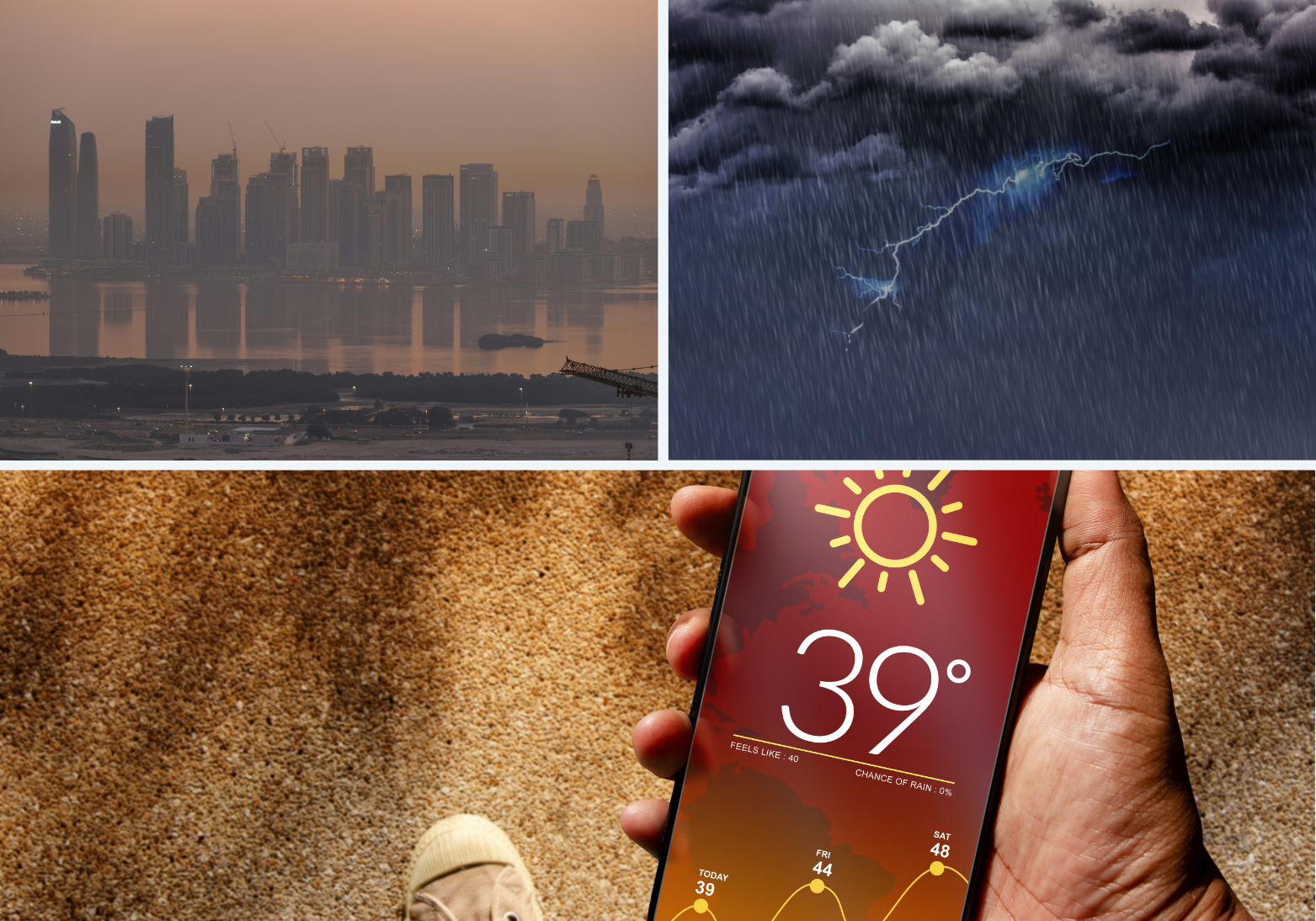
Fine dust particles and industrial emissions are common causes of reduced transparency in glass façades. Dust particles continuously accumulate on glass surfaces, creating stains and streaks over time.
In addition, SO₂ and NOx gases in the atmosphere significantly affect the durability of outdoor glass. When combined with moisture, these compounds can create a mildly acidic environment on the material surface.
Acid Rain and Long-Term Chemical Exposure
Acid rain is currently a major concern in many urban and industrial areas. Continuous exposure to rainwater containing acidic compounds can cause slight surface corrosion and reduce the natural gloss of glass.
Without suitable coatings, façade maintenance costs can increase rapidly after only a few years of operation. This is also why many businesses prioritize chemical-resistant coatings for outdoor glass applications.
UV Radiation and High Temperatures
Outdoor glass walls are constantly exposed to high temperatures and continuous UV radiation. These factors can cause conventional coatings to deteriorate more quickly.
In addition, temperature fluctuations between day and night can affect the stability of glass surfaces. For high-rise buildings, environmental impacts are generally more severe than in low-rise areas.
BENEFITS OF APPLYING COATINGS TO GLASS FAÇADES
Coatings significantly reduce dust accumulation and water retention on glass surfaces. As a result, businesses can reduce the frequency of façade cleaning during operation. This is particularly important for high-rise buildings, where outdoor glass cleaning costs are typically very high due to the need for specialized equipment and trained safety personnel.
In addition, coatings help maintain transparency and aesthetic appeal for buildings. For hotels, shopping malls, and office towers, glass façades play a major role in brand image and visual identity.
Another benefit is the ability to extend material lifespan. Coatings create a protective barrier between the glass and the external environment, significantly reducing surface degradation rates. Many modern coating systems also feature low VOC content and are more environmentally friendly than previous generations. This aligns well with current green building and sustainable architecture trends.
COMMONLY USED COATING TECHNOLOGIES
Hydrophobic Water-Repellent Coatings
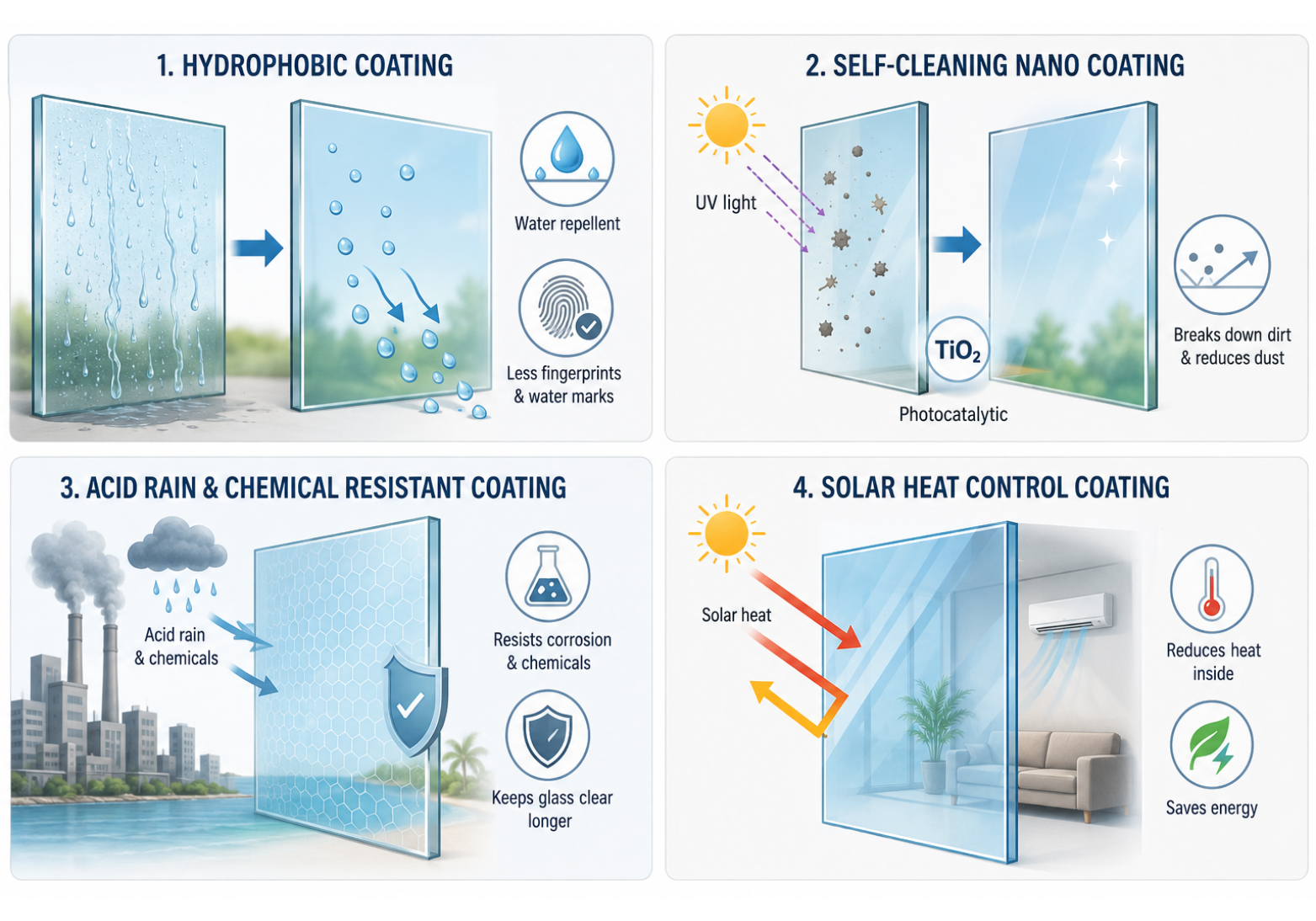
Hydrophobic coatings create a water-repellent effect on glass surfaces. When water comes into contact with the coating, it forms small droplets that quickly slide off the surface. This helps minimize water retention and reduces dirt adhesion. This technology is now widely used for glass façades and outdoor glass installations.
In addition, many hydrophobic coating systems help reduce fingerprints and minimize water stains after rain.
Self-Cleaning Nano Coatings
Nano coatings are becoming a major trend in the modern construction materials industry. Although extremely thin, nano coatings still provide a high level of surface protection.
Some coating systems use TiO₂ materials to create photocatalytic effects. When exposed to light, the coated surface can help decompose organic contaminants and reduce dust accumulation on glass. This technology helps reduce façade cleaning frequency for buildings with large glass areas.
Acid Rain and Chemical-Resistant Coatings
Many businesses now prioritize chemical-resistant coatings for buildings located in major urban areas or coastal regions. These coatings provide excellent corrosion resistance in high-humidity environments. In addition, they help reduce oxidation rates and maintain glass transparency for longer periods.
Solar Heat Control Coatings
Besides surface protection, many modern coating systems also support solar heat control. Low-E and solar control coatings help reduce heat absorption inside buildings.
This contributes to energy savings for air conditioning systems and improves overall building operational efficiency.
DEVELOPMENT TRENDS
The glass coating industry is currently evolving toward smarter and more sustainable solutions. Many companies are heavily investing in multifunctional nano coating technologies.
In addition to anti-fouling performance, new coatings also integrate UV resistance, chemical resistance, and heat reduction capabilities. Some technologies even support self-cleaning functions when exposed to natural light.
At the same time, low-VOC coating systems are becoming increasingly preferred in modern construction. This trend aligns with global goals for emission reduction and green building development. In the future, glass façade coatings are expected to continue expanding their applications across commercial projects and premium architectural developments.
CONCLUSION
Building glass wall coatings are becoming an essential solution in the modern construction industry. With their ability to resist dirt accumulation, protect against acid rain, and minimize environmental impacts, coatings help extend façade lifespan and significantly optimize operational costs.
As buildings increasingly utilize outdoor glass applications, demand for high-performance coatings is expected to continue growing rapidly. Nano coatings and self-cleaning coating technologies are likely to play a key role in future green architecture trends.
VICHEM – AUTHORIZED DISTRIBUTOR OF CHEMICAL ADDITIVES FROM LEADING BRANDS SUCH AS COVESTRO, SINOPEC, BUHLER, AND MORE IN VIETNAM
Vichem is an authorized distributor of chemical additive products from leading brands such as Covestro, Sinopec, Buhler, and others in the Vietnamese market. We not only provide high-quality products but also deliver after-sales services that meet international standards.
For more information about our products, please contact us through the following channels:
📞 Hotline: 08 1790 1790
📧 Email: contact@vichem.vn
🔎 LinkedIn: Vichem JSC
🌐 Website: www.vichem.vn
📌 Facebook: Vichem JSC