Paint bleeding is the discoloration that occurs between paint layers or from the substrate. This defect alters the intended color and reduces finishing quality. Understanding the causes helps control paint bleeding more effectively.
WHAT IS PAINT BLEEDING?
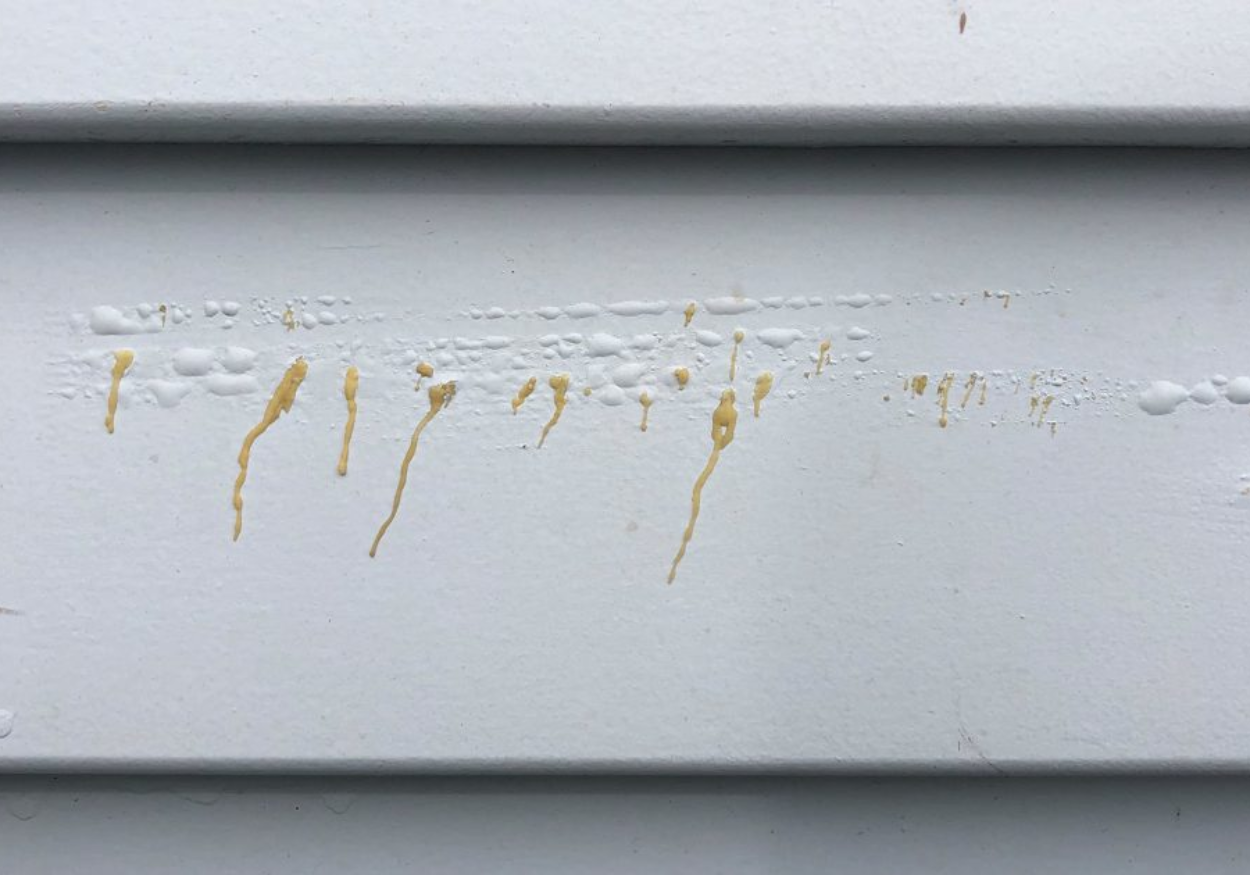
Paint bleeding occurs when color from a lower layer migrates into the topcoat. This results in stains or discoloration on the surface. The defect is common in decorative and industrial coatings.
Some materials contain colorants that are soluble in paint solvents. When a new coat is applied, these substances dissolve and migrate upward. As a result, the top layer changes color.
Paint bleeding does not immediately cause peeling. However, it significantly affects overall appearance. In many projects, this defect is unacceptable.

CAUSES OF PAINT BLEEDING
Substrates Containing Soluble Contaminants
Natural wood may contain resin or tannins. These compounds easily react with paint solvents. They are common causes of paint bleeding.
Metal surfaces may retain oil or treatment chemicals. If not cleaned thoroughly, these substances penetrate the new paint layer. This leads to discoloration.
Previously painted dark walls also pose risks. When covered with a light color, the old pigment may migrate upward. Paint bleeding becomes clearly visible.
Improper Primer Selection
Primer acts as a barrier between the substrate and the topcoat. If the wrong type is selected, isolation performance will be ineffective. This is a major cause of paint bleeding.
Some coating systems require specialized primers. Skipping this step or using incompatible products increases the risk of defects. The topcoat may fail to maintain accurate color.
Applying a primer layer that is too thin reduces its blocking ability. Substrate pigments can still migrate through. Discoloration may appear after drying.
Insufficient Drying Time Between Coats
Applying a new coat before the previous one fully dries increases risk. Solvents in the upper layer may dissolve the lower layer. This pulls color to the surface.
Incomplete drying reduces film stability. Pigments may not be fully fixed. As a result, paint bleeding occurs.
Rushing application to shorten project timelines often causes defects. Failure to follow technical drying times directly affects quality. The final color may not meet expectations.
SIGNS OF PAINT BLEEDING
Uneven stains appear on the painted surface. The color differs from the original design. This issue is more noticeable with light shades.
Over time, stains may darken further. This happens as pigments continue to migrate. The topcoat loses its clarity.
Paint bleeding often appears in areas with wood resin or dark old paint. Transitions between two colors are also vulnerable. Careful inspection helps detect problems early.
HOW TO FIX PAINT BLEEDING
Surface Preparation and Cleaning
The surface must be cleaned thoroughly before painting. Remove wood resin, grease, and residual contaminants. This step is essential to minimize bleeding.
For wood, specialized tannin-blocking treatments may be used. The surface must be completely dry before coating. This reduces discoloration risk.
Old walls should be sanded and dust-free. If necessary, apply a moisture barrier or isolating layer. A stable surface ensures better topcoat performance.
Use a Stain-Blocking Primer
Select a primer with strong sealing and hiding properties. A high-quality primer prevents pigment migration. This is an effective solution to paint bleeding.
Apply the primer at the recommended thickness. Do not reduce material usage at this stage. The primer layer is critical for long-term color stability.
Ensure the primer dries completely before topcoating. Proper curing improves isolation performance. The final coat will maintain stable color.

Follow Proper Application Procedures
Always follow the manufacturer’s instructions. Do not shorten drying time between coats. This helps prevent paint bleeding.
Control humidity and temperature during application. Stable conditions allow proper film formation. Pigments become firmly fixed.
Test on a small sample before large-scale application. Early testing helps identify potential risks. Timely adjustments save cost and time.
PREVENTING PAINT BLEEDING IN PRACTICE
Technical training for painters is important. Understanding material behavior reduces application errors. Paint bleeding becomes less frequent.
Use a complete coating system from the same manufacturer. Compatible products enhance stability. The risk of discoloration is better controlled.
Store paint under proper conditions before use. Avoid moisture contamination or impurities. Material quality directly affects final results.
CONCLUSION
Paint bleeding is a common defect but can be controlled. Identifying the correct cause allows effective solutions. Proper measures ensure durable and stable color.
Using high-quality primers and following correct procedures are key factors. Controlling materials and environmental conditions reduces risks. Paint bleeding will no longer be a major issue.
A well-finished surface reflects professionalism. Technical knowledge forms the foundation of lasting quality. This determines long-term credibility.
VICHEM – OFFICIAL DISTRIBUTOR OF CHEMICAL ADDITIVES FROM MAJOR BRANDS SUCH AS COVESTRO, SINOPEC, AND BUHLER IN VIETNAM
Vichem is the official distributor of chemical additives from leading brands such as Covestro, Sinopec, and Buhler in the Vietnamese market. We not only supply high-quality products but also provide international-standard after-sales service.
- Technical consulting: Support customers in selecting products suitable for their application.
- Color-matching tests: Vichem specialists perform matching tests to ensure results meet design standards.
- On-site application support: Assist customers during integration into production lines to ensure optimal performance.
For more information, please contact us:
📞 Hotline: 08 1790 1790
📧 Email: contact@vichem.vn
🔎 LinkedIn: Vichem JSC
🌐 Website: www.vichem.vn
📌 Facebook: Vichem JSC