Classification of Polyurethane resins is an important step in material selection. Each PU type has its own structure and properties. Proper understanding helps optimize performance and production costs.
CLASSIFICATION OF POLYURETHANE RESINS BY CHEMICAL STRUCTURE
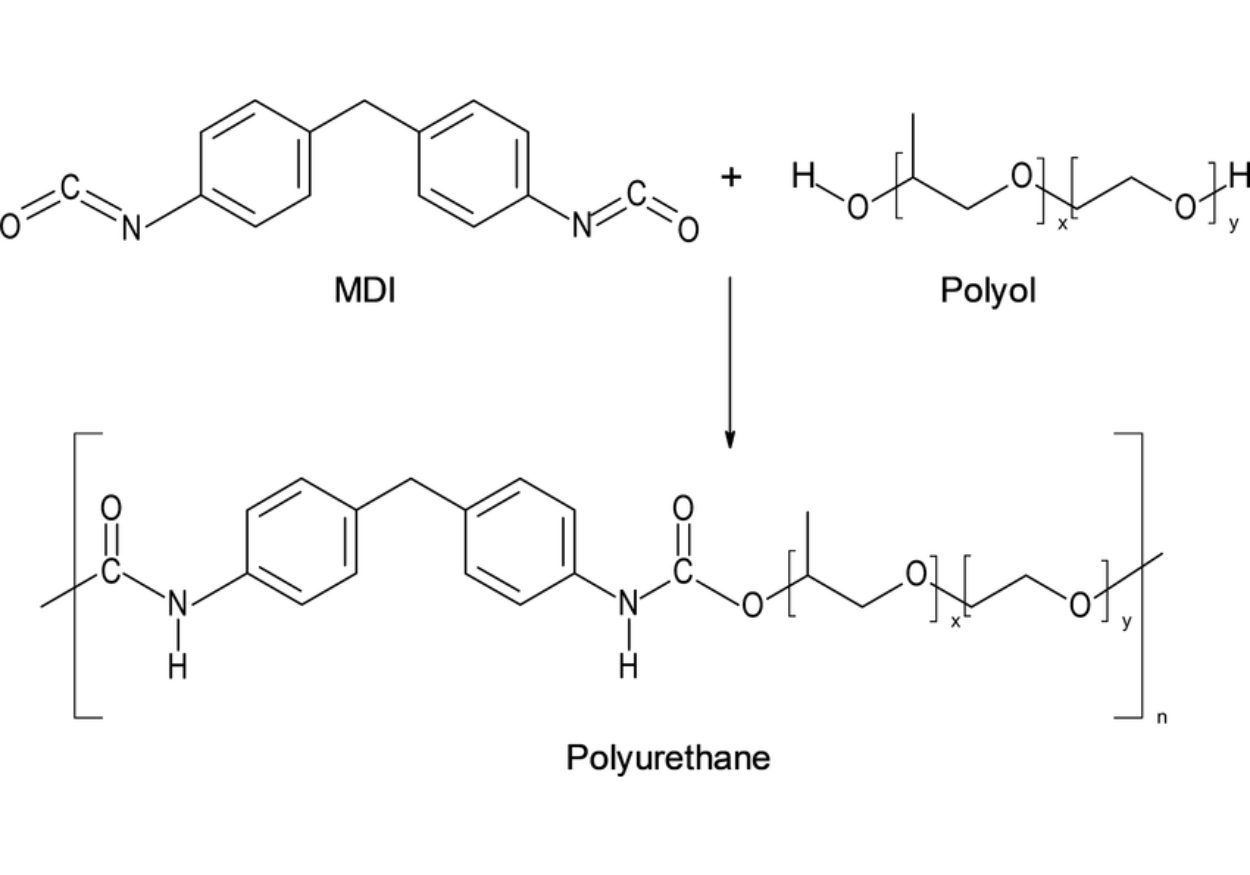
Classification of Polyurethane resins by structure is based on the type of polyol and isocyanate used. The chemical composition determines durability and elasticity. This is the most common classification method in industry.
Polyester-based PU offers good abrasion and chemical resistance. Its linear molecular structure enhances mechanical strength. This type is widely used in coatings and industrial adhesives.
Polyether-based PU stands out for its water and hydrolysis resistance. The material maintains flexibility in humid environments. It is a suitable choice for foams and cushioning applications.
CLASSIFICATION OF POLYURETHANE RESINS BY PHYSICAL PROPERTIES
Polyurethane resins can also be classified by hardness and elasticity. Each material group meets different technical requirements. Physical properties directly affect practical applications.
Rigid PU has high density and excellent compressive strength. It is commonly used for insulation panels. Its shape retention ensures long-term stability.
Flexible PU features a soft cellular structure and high elasticity. This group is widely used in mattresses and sofas. Comfort is a key advantage.
PU elastomers can withstand repeated stress and deformation. They are suitable for wheels and technical seals. Dynamic durability is a major benefit.

CLASSIFICATION OF POLYURETHANE RESINS BY PRODUCT FORM
Polyurethane resins can also be classified by product form. Each form serves a specific purpose. This approach is common in commercial practice.
PU foam is the most widely used type. It may have open-cell or closed-cell structures. Applications range from insulation to interior products.
PU elastomers offer high mechanical strength. They are used in technical components. Abrasion resistance is excellent.
PU coatings and surface finishes improve material durability. These coatings resist chemicals and UV radiation. They provide effective protection for metal and wood.
CLASSIFICATION OF POLYURETHANE RESINS BY PROCESSING METHOD
Polyurethane resins can also be classified by manufacturing technology. Processing methods influence the final structure. This determines overall product quality.
Cast PU is formed in closed molds. This process allows precise dimensional control. The resulting products typically have high mechanical strength.
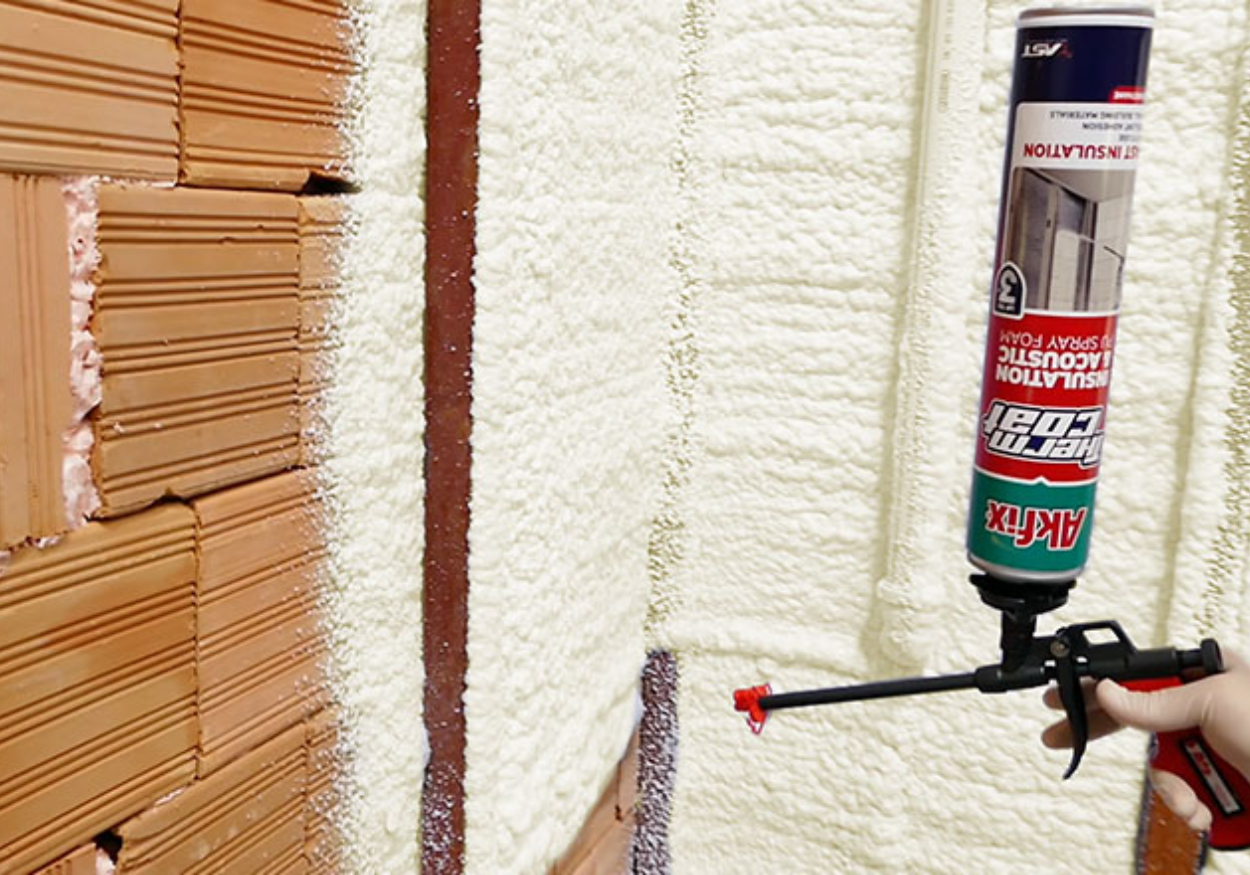
Spray PU is applied directly onto surfaces. This method is suitable for building insulation. The foam layer adheres well and forms a seamless barrier.
Extruded PU produces sheets or profiles. This technology is ideal for continuous production. Material consistency is well controlled.
APPLICATIONS OF DIFFERENT TYPES OF POLYURETHANE
Classification of Polyurethane resins helps identify the correct application field. Each PU type has distinct advantages. Incorrect selection may reduce performance.
In construction, rigid PU is used for panels and roof insulation. It helps reduce energy consumption. Thermal insulation performance is a major advantage.
In furniture, flexible PU is used for cushions and seating. High elasticity provides comfort. Long-term durability helps maintain shape.
In industry, PU elastomers are used for wheels and rollers. The material withstands heavy loads and friction. This extends equipment lifespan.
NOTES
Classification of Polyurethane resins should be based on specific technical requirements. The service environment greatly affects durability. Temperature and humidity must be considered.
Technical specifications should be reviewed before selection. Each PU type has different heat resistance limits. This impacts long-term stability.
Consult technical support from a reliable supplier. They can recommend optimal solutions. Professional guidance reduces production risks.
CONCLUSION
Classification of Polyurethane resins provides a clear understanding of material characteristics. Grouping by structure and properties offers a comprehensive view. This forms the foundation for effective application.
Each PU type has its own advantages. Proper selection improves durability and optimizes costs. This is especially important in industrial production.
Understanding PU classification enhances product quality. Correct knowledge is essential for long-term success. This is an inevitable trend in modern materials engineering.
VICHEM – EXCLUSIVE DISTRIBUTOR OF COVESTRO HARDENERS AND RESINS IN VIETNAM
Vichem is the exclusive distributor of Covestro products such as Desmodur, Desmophen, and Uralac in the Vietnamese market. We not only supply high-quality products but also provide international-standard after-sales service.
- Technical consulting: Support customers in selecting products suitable for their application.
- Color-matching tests: Vichem specialists perform matching tests to ensure results meet design standards.
- On-site application support: Assist customers during integration into production lines to ensure optimal performance.
For more information, please contact us:
📞 Hotline: 08 1790 1790
📧 Email: contact@vichem.vn
🔎 LinkedIn: Vichem JSC
🌐 Website: www.vichem.vn
📌 Facebook: Vichem JSC