Vinyl acetate polymerization is the foundation for producing many polymer materials. This process creates polyvinyl acetate, which is widely used in industry. Understanding the mechanism helps optimize efficiency and control product quality.
WHAT IS VINYL ACETATE POLYMERIZATION?
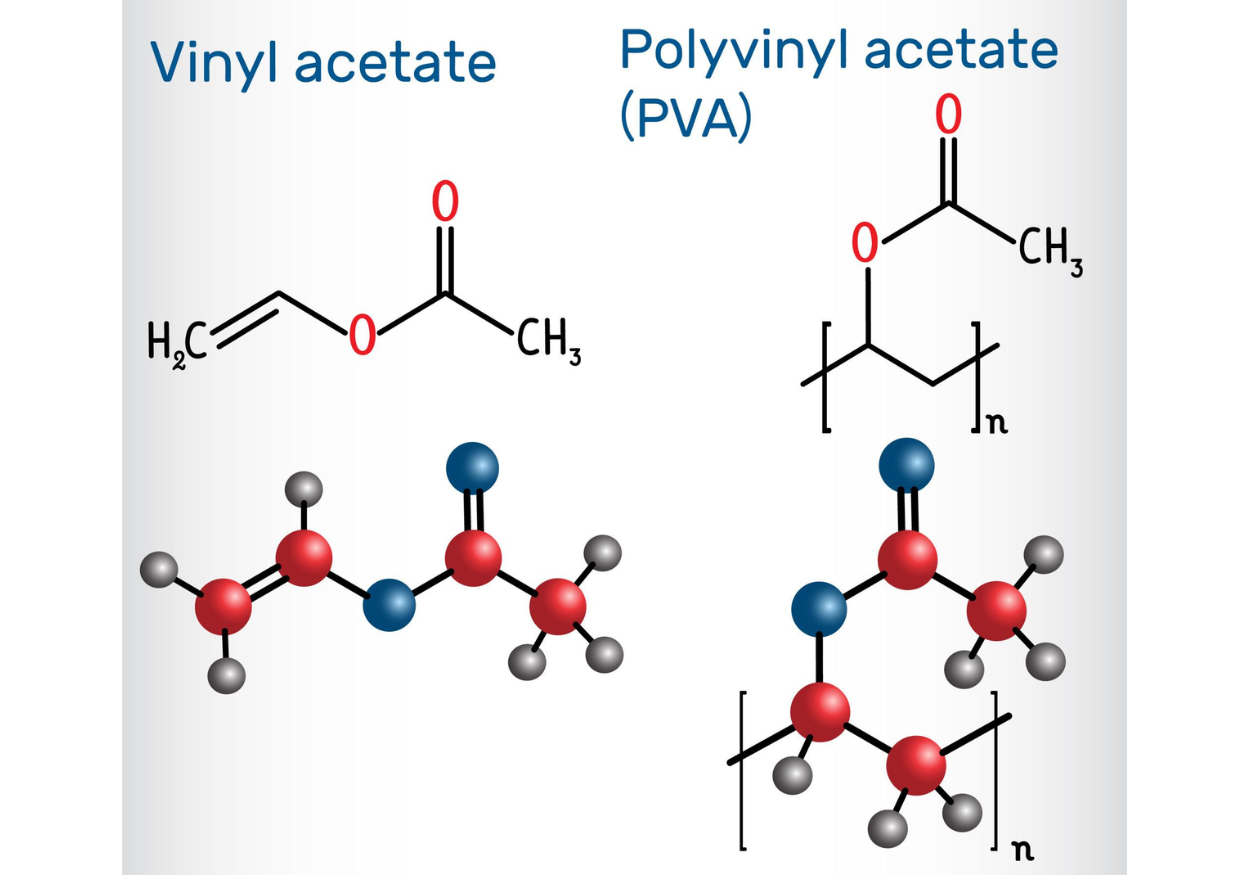
Vinyl acetate polymerization is the process of linking monomers into a polymer chain. The vinyl acetate monomer has the chemical formula CH₂=CHOCOCH₃. Under suitable conditions, it forms polyvinyl acetate.
This process belongs to free radical addition polymerization. The double bond in the molecule opens to form long chains. The resulting product has distinct mechanical properties.
Vinyl acetate polymerization can occur in solution or emulsion systems. The chosen method depends on the intended application. Each method affects polymer size and structure.
MECHANISM OF VINYL ACETATE POLYMERIZATION
Initiation Stage
The initiation stage generates active free radicals. Initiators such as peroxides are commonly used. These radicals attack the double bond of the monomer.
This creates a new active center on the molecule. The pi bond breaks to form a sigma bond. This step determines the reaction rate.
Temperature and initiator type strongly influence efficiency. Poor conditions reduce conversion. Proper control ensures stable polymerization.
Propagation Stage
During propagation, the polymer chain grows continuously. The active radical adds more vinyl acetate monomers. Molecular weight gradually increases.
Chain growth rate affects mechanical properties. Longer chains produce stronger polymers. However, chain length control is essential.
The reaction releases heat and requires cooling control. Excess heat can cause instability. Industrial systems use cooling mechanisms.
Termination Stage
Termination occurs when two free radicals combine. This stops chain growth. The polymer reaches its final molecular weight.
Termination may occur by combination or disproportionation. The mechanism depends on reaction conditions. Proper control improves polymer quality.
Reaction efficiency depends on balance among the three stages. System stability determines product uniformity. This is critical in industrial production.
FACTORS AFFECTING THE REACTION
Temperature is the most important factor. Higher temperatures increase radical formation. Excessive heat may degrade the polymer.
Pressure also influences monomer conversion. Suitable pressure increases reaction concentration. This improves polymerization efficiency.
Initiator concentration determines radical quantity. Too little slows the reaction. Too much produces short chains and lower strength.
METHODS OF VINYL ACETATE POLYMERIZATION
Emulsion Polymerization
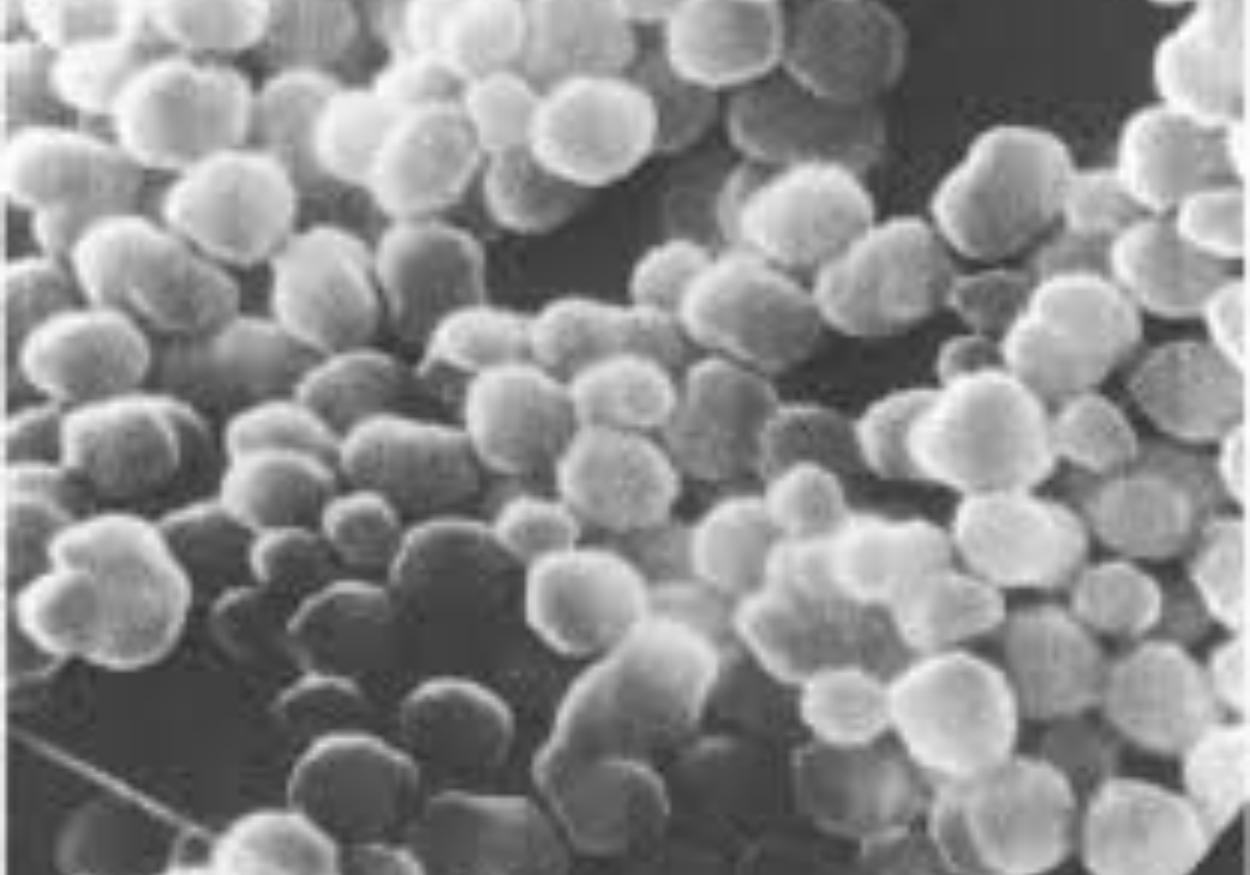
Vinyl acetate polymerization is commonly performed by emulsion methods. Water acts as the dispersion medium. Emulsifiers stabilize polymer particles.
This method produces small particle sizes. The product is suitable for adhesives and water-based coatings. It offers high efficiency and good heat control.
Polyvinyl acetate emulsion has suitable viscosity for application. The process is relatively safe. It is widely used in industry.
Solution Polymerization
In solution polymerization, the monomer dissolves in an organic solvent. The reaction occurs uniformly in liquid phase. The polymer is later precipitated or concentrated.
This method allows better molecular weight control. However, solvent cost can be high. Solvent handling must meet environmental regulations.
Solution polymerization is often used for research. Industrial production typically favors emulsion methods. The choice depends on product requirements.
APPLICATIONS OF POLYVINYL ACETATE
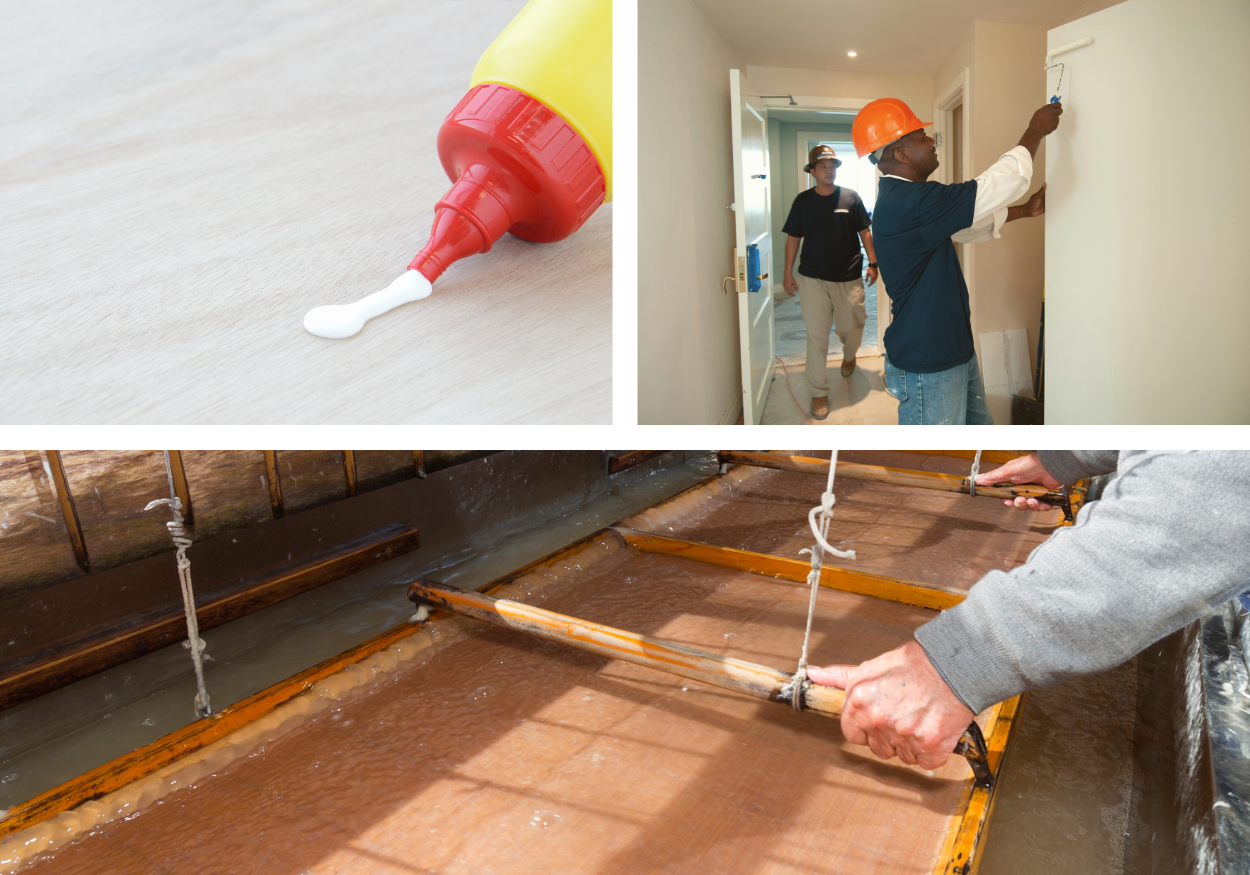
Polyvinyl acetate is the main product of vinyl acetate polymerization. It is widely used in adhesive production. White glue is a common example.
In coatings, it acts as a film-forming binder. It improves adhesion and durability. It is commonly used in interior water-based paints.
Polyvinyl acetate is also used in paper and textiles. Its flexibility allows easy processing. Market demand remains stable.
- Technical consulting: Support customers in selecting products suitable for their application.
- Color-matching tests: Vichem specialists perform matching tests to ensure results meet design standards.
- On-site application support: Assist customers during integration into production lines to ensure optimal performance.
For more information, please contact us:
📞 Hotline: 08 1790 1790
📧 Email: contact@vichem.vn
🔎 LinkedIn: Vichem JSC
🌐 Website: www.vichem.vn
📌 Facebook: Vichem JSC