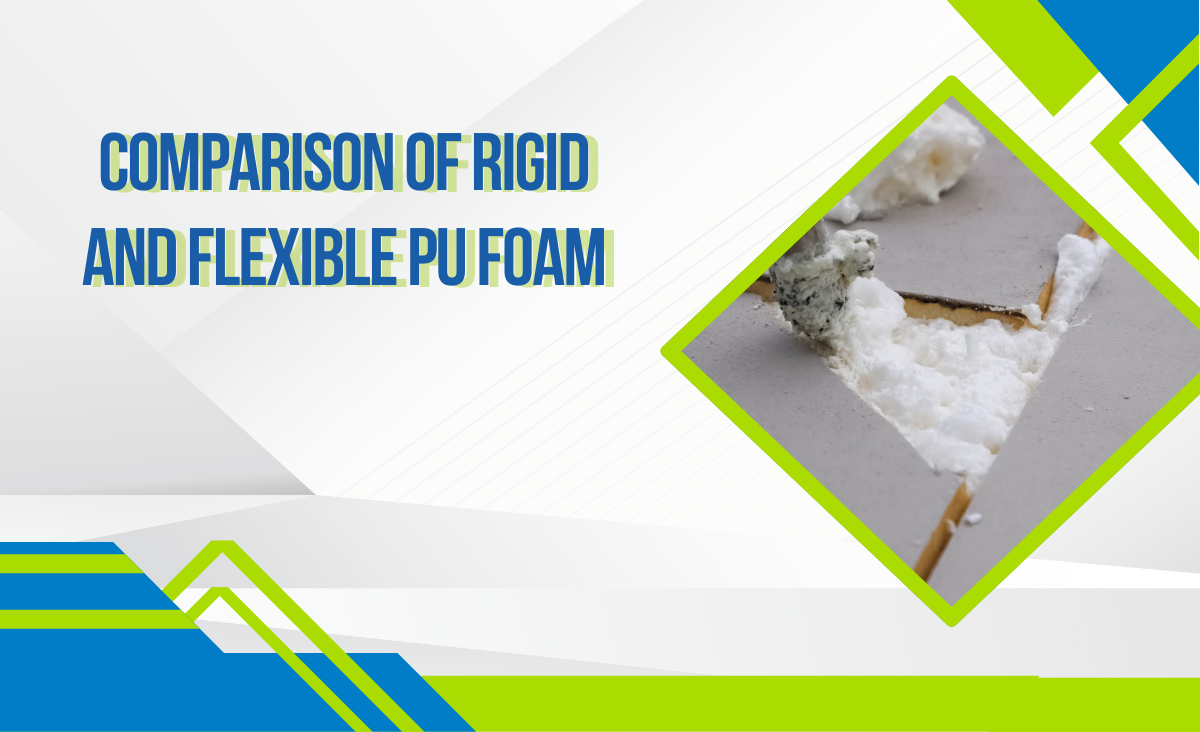
PU Foam is a polymer foam material widely used in many industries. However, not everyone clearly understands the differences between various types of PU foam. Distinguishing between rigid and flexible PU foam helps in selecting the right material for each application.
WHAT IS PU FOAM?
PU Foam is a polyurethane foam material produced through a chemical reaction. The two main components are polyol and isocyanate. The reaction forms a cellular structure filled with gas bubbles.
This foam structure gives the material a lightweight characteristic. At the same time, PU foam maintains good mechanical strength. As a result, it is widely applied across many industries.
Currently, there are two main types on the market: rigid PU foam and flexible PU foam. Understanding the difference between these types helps clarify their properties and applications.

DIFFERENCE BETWEEN RIGID AND FLEXIBLE PU FOAM
Material Structure
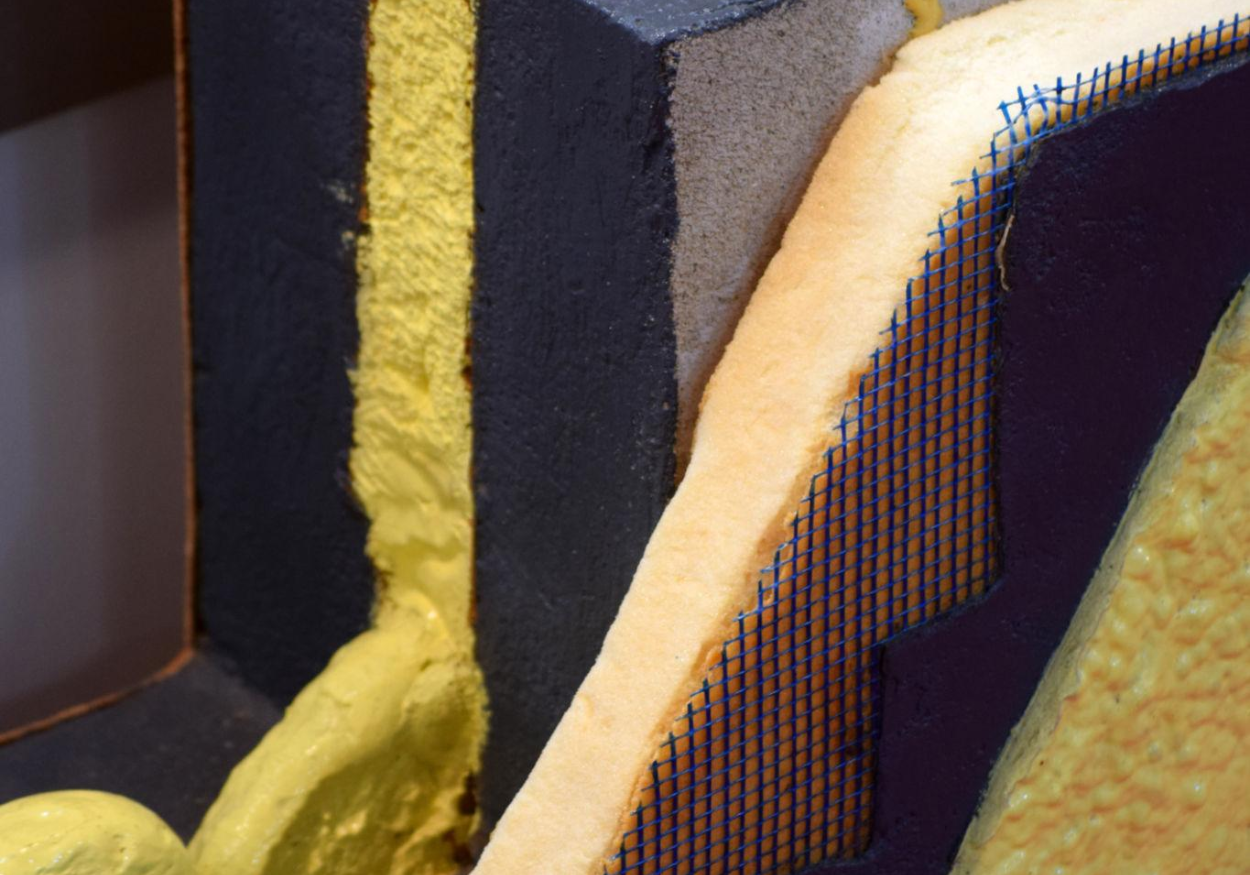
Rigid PU foam has a closed-cell structure. The gas bubbles are tightly connected to each other. This gives the material high rigidity and strength.
Flexible PU foam has an open-cell structure. The bubbles are loosely connected and easily deformed. As a result, the material has excellent elasticity.
The structural difference leads to different material properties. This is a key factor in distinguishing PU foam types. Structure determines the application potential of each type.
Hardness and Elasticity
Rigid PU foam has high hardness and low deformation. The material maintains its shape under pressure. This makes it suitable for thermal insulation purposes.
Flexible PU foam has excellent elasticity and recovery ability. When compressed, it can return to its original shape. This provides comfort in many applications.
The difference in hardness is the most noticeable feature. It is an important criterion when distinguishing PU foam types. Each type fits different applications.
Thermal and Acoustic Insulation
Rigid PU foam provides excellent thermal insulation. The closed-cell structure limits heat transfer. Therefore, it is widely used in construction and cold storage.
Flexible PU foam offers better sound absorption. The open-cell structure reduces vibration and noise. This property is useful for interior and acoustic applications.
Functional differences are an important consideration. Understanding PU foam types helps select the right material. This ensures long-term performance.
Weight and Density
Rigid PU foam usually has a higher density. Its compact structure provides better strength. This improves load-bearing capability.
Flexible PU foam typically has a lower density. The material is lighter and easier to compress. This increases flexibility in applications.
Density directly affects material performance. It is also an important factor when distinguishing PU foam types. Selection should depend on the intended application.
APPLICATIONS OF RIGID PU FOAM
Rigid PU foam is widely used in the construction industry. It is commonly applied for roof and wall insulation. This helps improve energy efficiency in buildings.
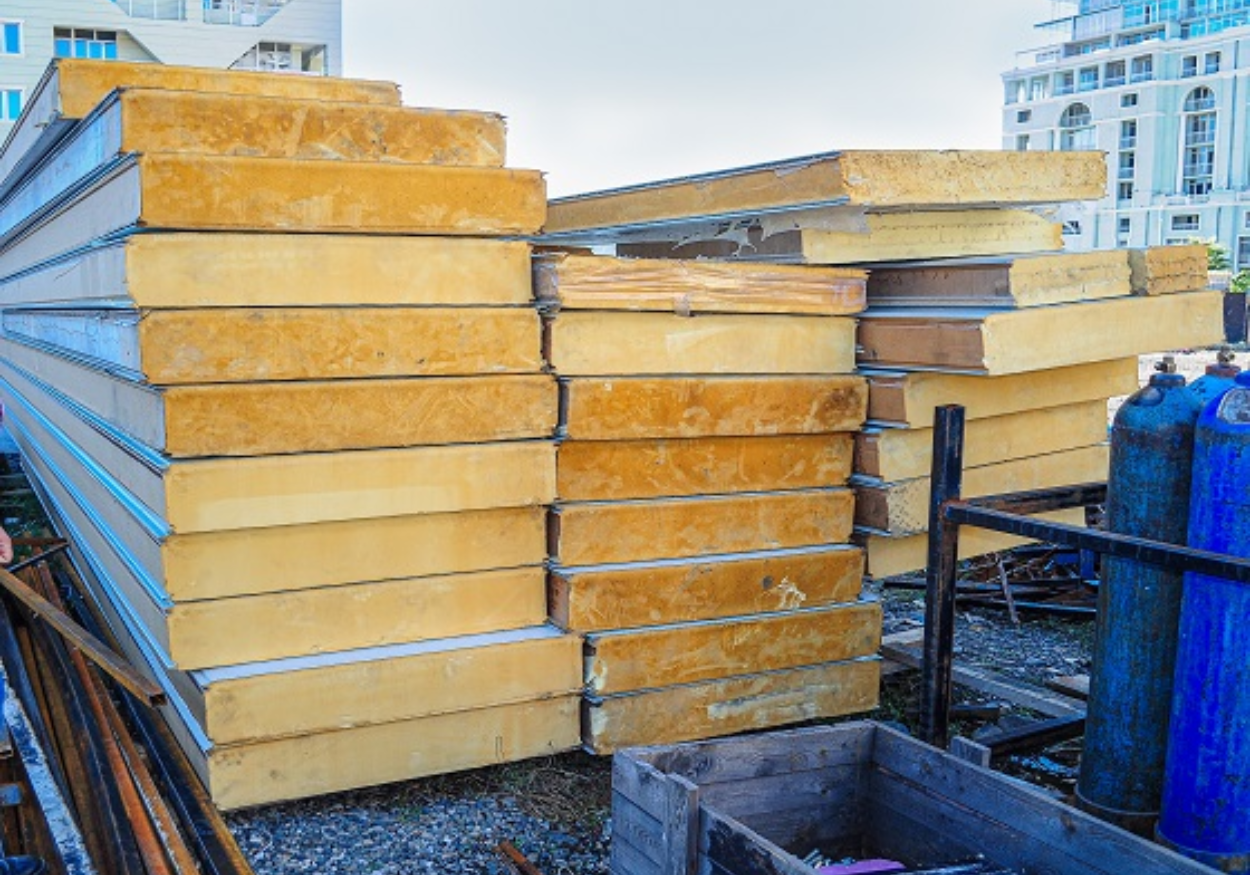
In the refrigeration industry, this material is also very common. Rigid PU foam is used in cold storage panels and refrigerated containers. Its insulation capability maintains stable temperatures.
Additionally, the material is used in equipment manufacturing. Examples include refrigerators and thermal containers. These are typical applications of rigid PU foam.
APPLICATIONS OF FLEXIBLE PU FOAM
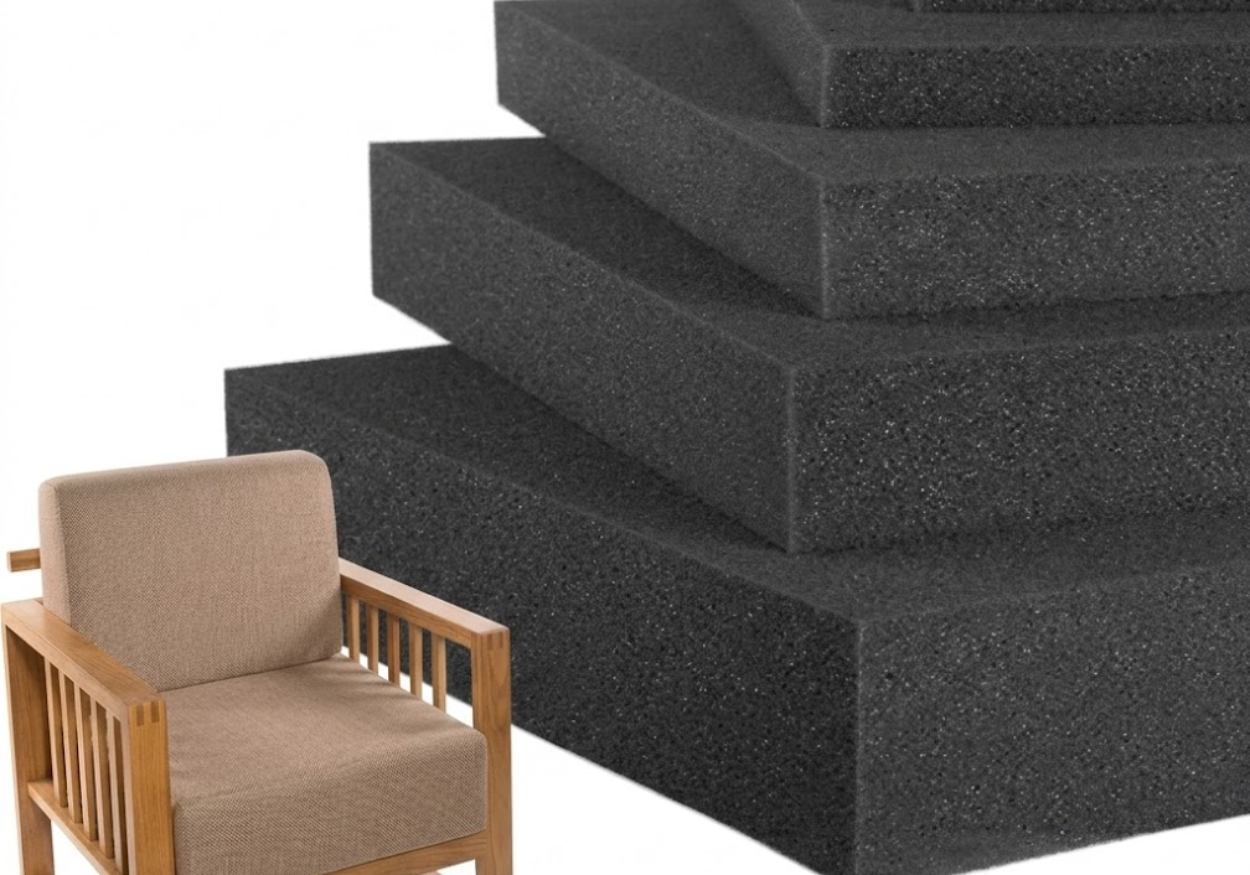
Flexible PU foam is widely used in the furniture industry. The material is commonly found in mattresses, sofas, and seat cushions. Its elasticity provides comfort.
In the automotive industry, this material is also very popular. Flexible PU foam is used in car seats and sound insulation layers. This improves comfort during transportation.
The material is also used in protective packaging. Flexible PU foam absorbs impact forces. This helps protect products during transportation.
BENEFITS OF PROPERLY DISTINGUISHING PU FOAM
Understanding PU foam types helps select the right material. Each type has unique properties suited to specific applications. This improves efficiency in use.
Choosing the correct material increases product durability. It also reduces repair and replacement costs. This is an important factor in manufacturing.
In addition, understanding material properties helps optimize design. Manufacturers can fully utilize the advantages of PU foam. This creates long-term economic benefits.
CONCLUSION
PU foam is an important material used in many industries. However, different types of PU foam have different characteristics. Distinguishing between rigid and flexible PU foam is essential.
Rigid PU foam is suitable for insulation and structural applications. Flexible PU foam is ideal for products requiring elasticity and comfort. Each type plays a unique role.
Understanding material properties helps ensure accurate selection. This improves performance and product lifespan. Therefore, distinguishing PU foam types is very important.
VICHEM – EXCLUSIVE DISTRIBUTOR OF COVESTRO CURING AGENTS AND RESINS IN VIETNAM
Vichem is the exclusive distributor of Covestro products such as Desmodur, Desmophen, and Uralac in the Vietnamese market. We provide high-quality products along with international-standard after-sales services.
- Technical consulting: Support customers in selecting products suitable for their application.
- Color-matching tests: Vichem specialists perform matching tests to ensure results meet design standards.
- On-site application support: Assist customers during integration into production lines to ensure optimal performance.
For more information, please contact us:
📞 Hotline: 08 1790 1790
📧 Email: contact@vichem.vn
🔎 LinkedIn: Vichem JSC
🌐 Website: www.vichem.vn
📌 Facebook: Vichem JSC