Light fastness is an important criterion in evaluating dye quality.
This parameter reflects a dye’s ability to retain color when exposed to light. Understanding light fastness helps select suitable dyes and extend product lifespan.
WHAT IS LIGHT FASTNESS?
Light fastness is the ability of a dyed color to resist fading under the influence of light. The light source may be natural sunlight or artificial illumination. This factor directly affects color durability.
When exposed to light, dye molecules can degrade. This process alters the chemical structure of the dye. As a result, the color fades or changes.
Light fastness is usually evaluated using standardized scales. Higher values indicate better color stability. This is especially important for products used outdoors.
MECHANISMS OF LIGHT EFFECTS ON DYES
Effect of ultraviolet radiation
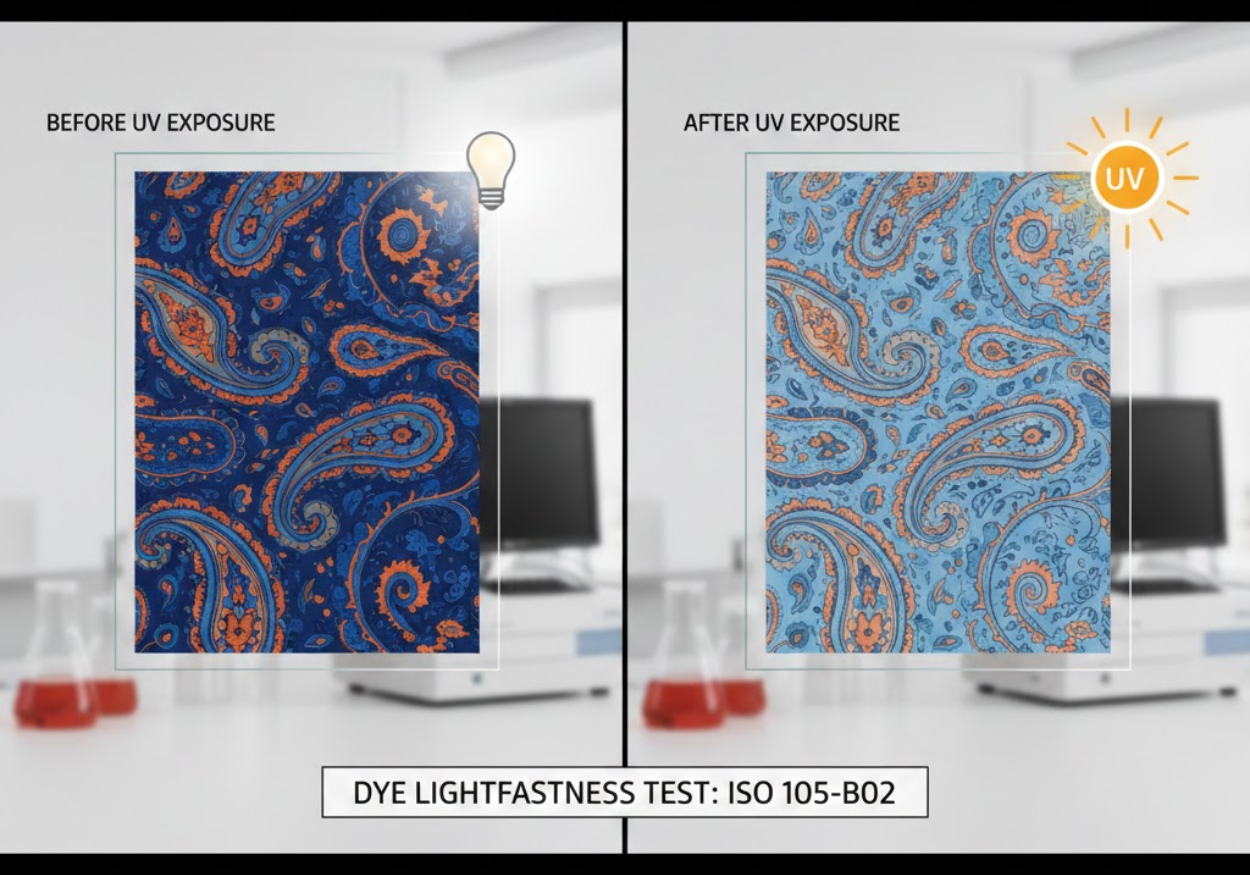
Ultraviolet (UV) radiation is the most damaging component. It carries high energy and easily breaks chemical bonds. Dyes are highly sensitive to UV light.
When bonds are broken, dye molecules lose their ability to absorb light. Consequently, the color gradually fades. This is the primary cause of color fading.
UV absorption depends on the dye’s molecular structure. Some chromophoric groups are more susceptible to degradation. This directly affects light fastness.
Oxidation reactions
Light accelerates the oxidation of dyes. Oxygen in the air participates in color degradation reactions. This process occurs continuously.
Oxidation changes the molecular structure of dyes. The original color becomes unstable. This phenomenon is common in outdoor conditions.
The degree of oxidation depends on the use environment. Temperature and humidity also play a role. As a result, light fastness varies.
FACTORS AFFECTING LIGHT FASTNESS
Chemical structure of dyes
Molecular structure determines light fastness. Dyes with stable conjugated systems usually retain color better. Aromatic rings help stabilize molecules.
Some functional groups are easily broken under light. Azo and anthraquinone dyes show different levels of stability. These differences must be considered.
Dyes with larger molecular sizes are often more lightfast. They distribute absorbed energy more effectively. As a result, colors are more stable.
Type of substrate material
Light fastness depends on the dyed substrate. Natural and synthetic fibers produce different results. The interaction between dye and substrate is crucial.
With cellulosic fibers, dyes may be more strongly affected. Light can more easily reach dye molecules. Light fastness may decrease.
Synthetic materials often provide better shielding. Dye molecules are less directly exposed to light. Colors are usually more stable under the same conditions.
Actual service conditions
Light intensity directly affects color durability. Strong sunlight causes faster fading. Outdoor products face higher risk.
Exposure duration is also critical. Prolonged exposure accumulates damage. Color gradually degrades over time.
High humidity environments accelerate degradation. Moisture supports oxidation reactions. Light fastness therefore decreases.

EVALUATION METHODS
Artificial light exposure testing
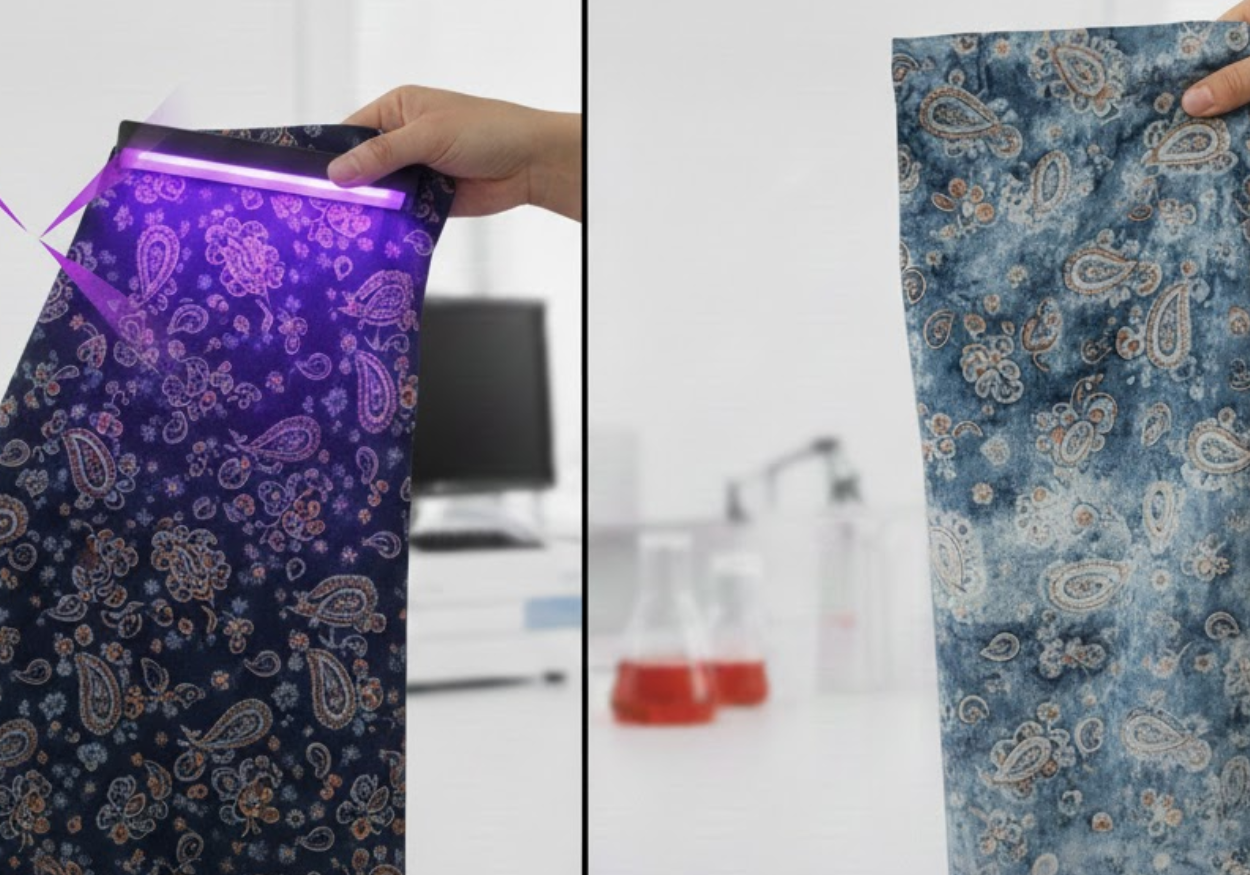
Light fastness is commonly tested using xenon arc lamps. These devices simulate sunlight. Test conditions are strictly controlled.
Samples are exposed for a specified duration. The degree of fading is then compared. Results are rated using standard scales.
This method provides fast and consistent results. It is widely used in laboratories. Reliability is relatively high.
Blue scale assessment
The blue scale is a common evaluation method. The sample color is compared with standard references. Fading levels are clearly ranked.
The blue scale typically includes multiple grades. Higher grades indicate better light fastness. This method is intuitive and easy to interpret.
It is widely applied in the textile industry. Many international standards use the blue scale. Results are highly comparable.
CONCLUSION
Light fastness is a key parameter in dye evaluation. It reflects color retention under service conditions. Proper control significantly improves product quality.
Understanding influencing factors helps select appropriate dyes. Dyeing processes should also be optimized. Both technical and economic efficiency are enhanced.
VICHEM – AUTHORIZED DISTRIBUTOR OF DYE ADDITIVES FROM JAY CHEMICALS AND BOAO IN VIETNAM
Vichem is the authorized distributor of additives, reactive dyes, and disperse dyes from Jay Chemicals and BOAO in the Vietnamese market. We not only supply high-quality products but also provide international-standard after-sales services.
- Technical consulting: Support customers in selecting products suitable for their application.
- Color-matching tests: Vichem specialists perform matching tests to ensure results meet design standards.
- On-site application support: Assist customers during integration into production lines to ensure optimal performance.
For more information, please contact us:
📞 Hotline: 08 1790 1790
📧 Email: contact@vichem.vn
🔎 LinkedIn: Vichem JSC
🌐 Website: www.vichem.vn
📌 Facebook: Vichem JSC