To choose bio-based solvents that replace petroleum-based solvents, put resin solvency first, then match the evaporation rate and check compliance with export-market regulations. A "bio-based" or "biodegradable" label is not enough to decide. Replace one component at a time on your actual formulation, and read the TDS and SDS of the intended solvent before any production trial.
Where paints and inks fail when the wrong bio-based solvent is chosen
The solvent decides whether the resin stays in stable solution, and how the film forms as the solvent leaves. Changing the solvent therefore changes the whole system. Common failures:
- Resin: precipitation, cloudy solution, viscosity rising right after mixing or gradually in storage.
- Paint film: haze, sagging, slow drying or pinholes when evaporation differs from the original formulation.
- Printing ink: ink drying on the roller, clogged cells, color shift between print lots.
- Finished product and cost: residual odor on the product, higher raw material cost and still not meeting the customer's requirements.
The first two groups of defects often share the same root cause: the new solvent differs from the old one in resin solvency or evaporation rate. When the resin is no longer sufficiently solvated, it precipitates. If the solvent evaporates too fast, the film skins over at the surface, and solvent trapped underneath escapes as bubbles or pinholes. If it evaporates too slowly, the film sags and dries slowly.
Two concepts that are often mixed up need to be kept apart. Bio-based refers to the feedstock: the solvent is made from renewable sources, usually plants. Biodegradable refers to the ability of microorganisms to break the solvent down in the environment, which depends on molecular structure and test conditions. A bio-based solvent is not necessarily readily biodegradable, and the reverse is also true. Each label needs its own supporting evidence, so a label should never replace performance testing.
4 key criteria when choosing bio-based solvents
Resin solvency
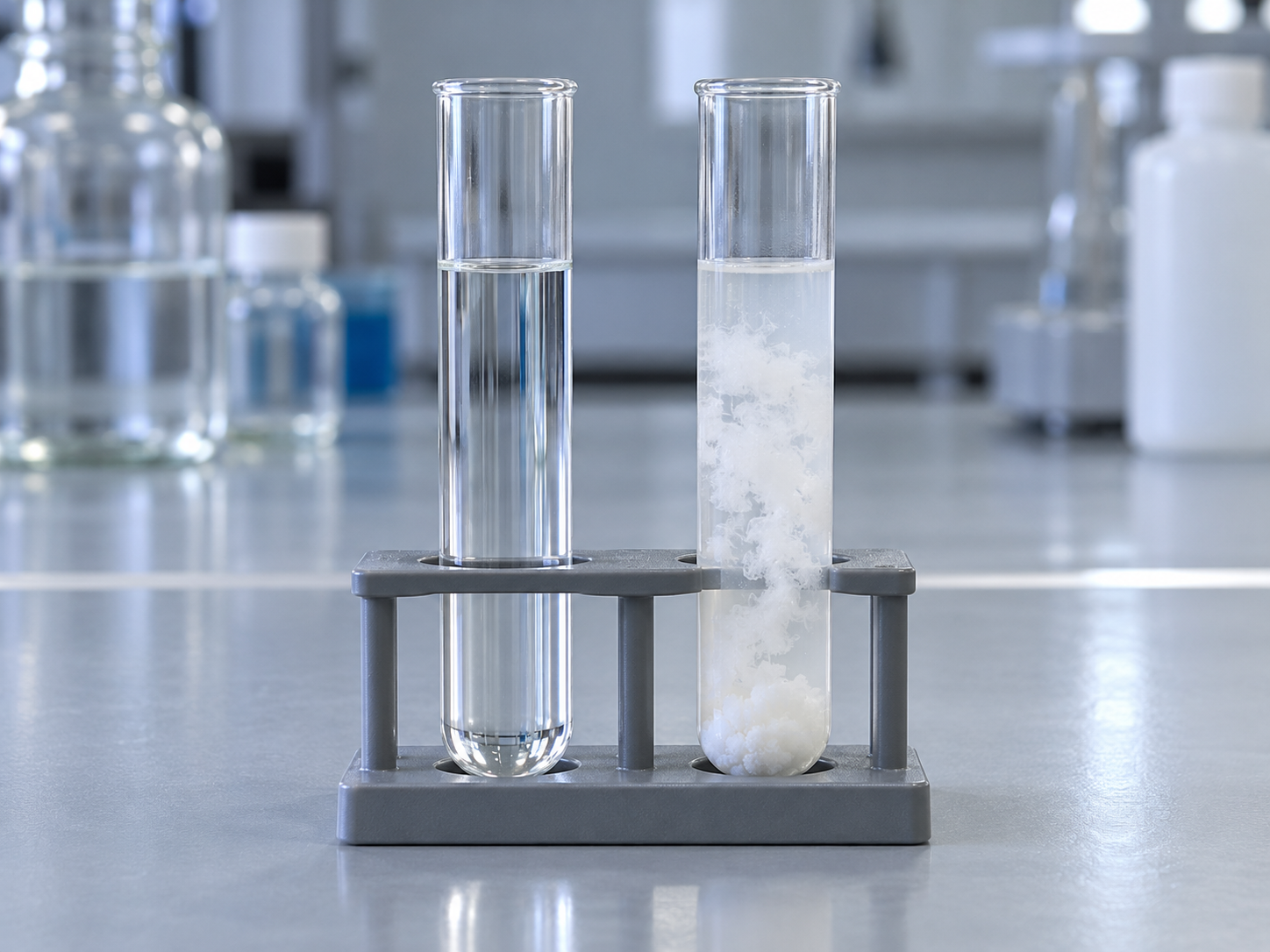
The basic rule is "like dissolves like". A solvent dissolves a resin well when their interactions are close in polarity and hydrogen-bonding capacity. Solubility parameters (such as the Hansen model) split this interaction into three components: dispersion forces, polar forces and hydrogen bonding. The closer the three components of the resin and the solvent are, the more easily the resin dissolves.
For a paint plant, the practical consequence is that the new solvent must dissolve the resin currently in use, in the full blend and not only on its own. A solvent can be a good solvent for one resin but only a weak diluent for another. Parameter values for each solvent and resin are available in supplier documents or solubility parameter databases; confirmation by testing is still necessary because pigments and additives also have an effect.
Evaporation rate
Evaporation rate governs surface drying time, leveling and blushing. A fast-evaporating solvent dries the film early, so brush marks or surface texture have no time to flow out. A slow-evaporating solvent keeps the film wet longer, tends to sag on vertical surfaces and lengthens the wait between coats.
In a blend, each solvent plays a role according to its evaporation rate. When replacing one component, preserve the evaporation sequence of the whole blend: fast solvents clear the way for the resin to form a film, and slow solvents keep the film leveling. Replacing a slow solvent with a faster one often causes pinholes or film haze. For printing ink, a mismatch in evaporation rate also means ink drying on the roller or drying too slowly on the press run.
Compatibility with the formulation system and equipment
In 2K polyurethane paint, solvents containing OH groups (alcohols, or esters contaminated with alcohol) can react with the isocyanate in the hardener. This reaction consumes NCO groups, shifting the cure ratio and potentially reducing film hardness and durability. Residual water in the solvent also reacts with isocyanate and releases CO₂, which causes pinholes in the film. Moisture content is therefore a mandatory test parameter.
On the equipment side, a new solvent may swell or harden gaskets, hoses and other rubber parts of pumps and spray guns. Printing rollers and doctor blades are also in direct contact with the solvent. The material compatibility chart from the gasket or roller manufacturer is the reference to consult before trials on the line.
Environmental and regulatory requirements
Export customers often set requirements on VOC, biodegradability or the renewable origin of raw materials. VOC is calculated differently between markets and brands, so check the customer's VOC definition against the figures in the supplier's documents. A solvent of renewable origin can still contribute to VOC.
Any claim about renewable origin or biodegradability needs supporting documents from the supplier, together with the test method. The QA team should ask the customer which type of documentation is required before selecting, to avoid finding out after the formulation trial that the paperwork is missing.
How to check bio-based solvents against your formulation
Step 1 — Build a profile of the solvents currently in use
List each solvent in the formulation and its role: dissolving the resin, adjusting viscosity, controlling leveling time, or preventing blushing. Record it together with the resin type, hardener, pigment and application method. The role of each solvent is the basis for choosing replacement candidates; a solvent that dissolves the main resin and one that only adjusts evaporation are replaced by different logic.
Step 2 — Replace one part at a time and test solubility, viscosity and drying time at lab scale
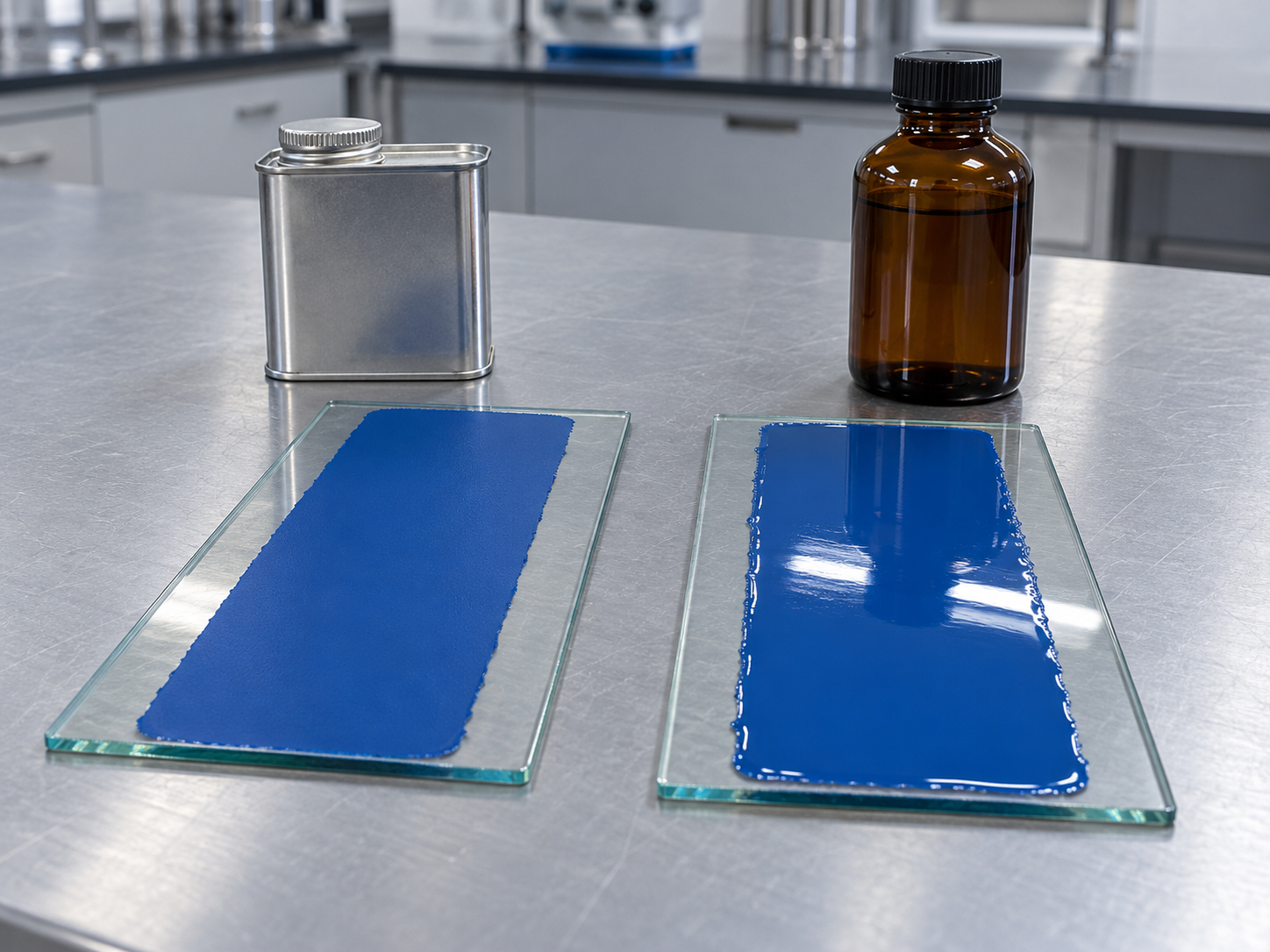
Replace one component at a time and keep all other components unchanged. At lab scale, check the clarity of the resin solution and the viscosity right after mixing and after a holding period, then draw down a test film to observe drying time, leveling, gloss and defects such as pinholes. For 2K paint, also test after curing. Increase the replacement ratio in the next round only when the sample passes.
Step 3 — Select the solvent type and read the TDS and SDS
Bio-based solvent groups commonly considered for paints and inks include esters and alcohols from renewable sources. Alcohols contain OH groups, so caution is needed with isocyanate systems. The petroleum-based solvent currently in use serves as the reference for comparison. Plants can look at the slow-evaporating solvent line for industrial paint from supplier Maxone Asia as a performance reference for their current formulation.
When reading the TDS and SDS, pay attention to four parameters:
- Flash point: affects storage and transport conditions and fire and explosion safety.
- Relative evaporation rate: compared with the solvent being replaced, using the same measurement method.
- Purity: impurities, especially alcohol impurities, affect the reaction with the hardener.
- Water content: determines the risk of pinholes and cure ratio shift in isocyanate systems.
Take specific values from the documents for the exact solvent and the exact batch.
Common mistakes when choosing bio-based solvents
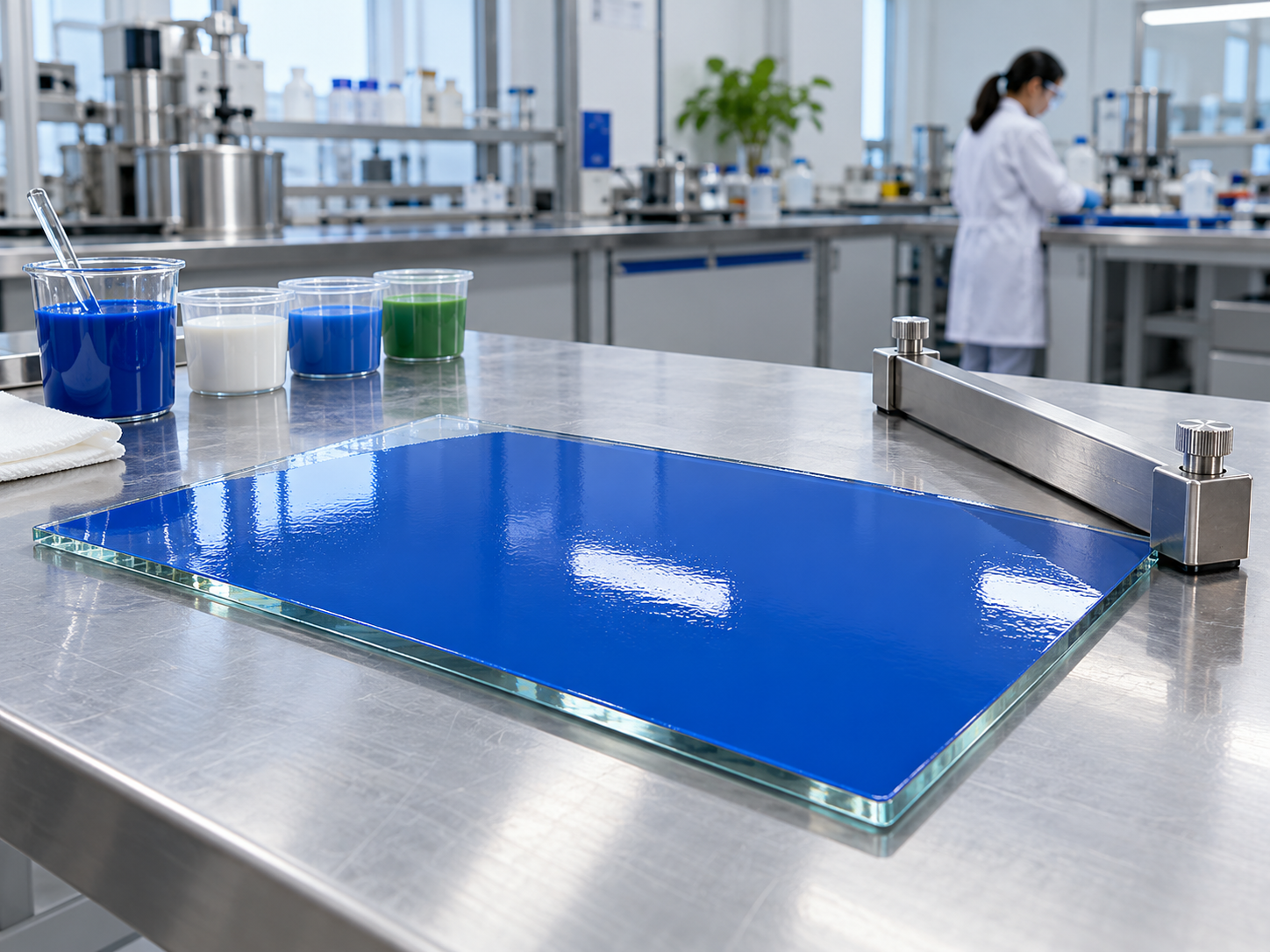
- Replacing all solvents at once. When the sample fails, you cannot tell which solvent caused the defect. Replacing one part at a time identifies the cause, and you can keep part of the old solvent if the formulation does not yet pass.
- Comparing price per kg only. Price per kg ignores actual usage, dilution rate, evaporation loss and the cost of retesting when a batch fails. Bio-based solvents are not automatically cheaper or more expensive; only a comparison on the real formulation gives a conclusion.
- Ignoring odor and moisture. Some solvents have a characteristic odor different from petroleum-based solvents, which affects food packaging or the working environment. High moisture ruins a 2K system before the defect shows up in the paint film.
- Confusing bio-based with biodegradable. These two labels need two different sets of documents. Sending the wrong documents to an export customer may mean redoing the paperwork.
- Not checking equipment. Gaskets, hoses and printing rollers show swelling only after long contact with the new solvent.
Frequently asked questions
Can bio-based solvents fully replace petroleum-based solvents?
It is possible for some formulations, but only when testing on that exact formulation gives a passing result. Each resin system, pigment and application method has its own solvency and evaporation requirements. For any part that does not pass, keep part of the old solvent and re-evaluate item by item.
Are bio-based solvents biodegradable?
Not necessarily. Bio-based only describes the feedstock, while biodegradability depends on molecular structure and environmental conditions. To claim it, you need biodegradation test data in the supplier's technical documents, and the test method must match the customer's requirements.
Do bio-based solvents reduce VOC?
Not automatically. VOC level depends on the evaporation behavior of each solvent and how the target market defines VOC, not on the feedstock. A bio-based solvent that evaporates readily still contributes to VOC. Check the figures on the TDS and SDS against the customer's definition.
Can bio-based solvents be used in 2K PU paint?
Yes, if the solvent has no reactive OH groups and has low moisture. Alcohols from renewable sources react with isocyanate and shift the cure ratio. Esters have no free OH groups and so carry less of this risk, but you must still check the water content and test on the formulation.
Conclusion
Choosing bio-based solvents to replace petroleum-based solvents is a performance-matching task on a specific formulation. The bio-based label tells you the feedstock and is only a starting point for testing. Paint and ink plants should replace one part at a time, test at lab scale before production trials, and request the documents appropriate for each customer.
- Solvency: the new solvent must dissolve the resin in use in the full blend.
- Evaporation rate: keep the evaporation sequence of the blend to avoid pinholes, sagging and slow drying.
- Compatibility: check OH groups, moisture, gaskets and printing rollers, especially with isocyanate systems.
- Regulation: check the VOC definition, renewable origin and biodegradability against the supplier's documents.
- Implementation principle: replace one part at a time, test in the lab, read the TDS and SDS, and only then increase the ratio.
Vichem is a distributor of chemical additives from leading brands such as Covestro, Sinopec and Bühler in the Vietnamese market.
For more information about our products, please contact us through the following channels:
- Hotline: 08 1790 1790
- Zalo OA: Vichem JSC
- Email: contact@vichem.vn
- LinkedIn: Vichem JSC
- Website: www.vichem.vn
- Facebook: Vichem JSC