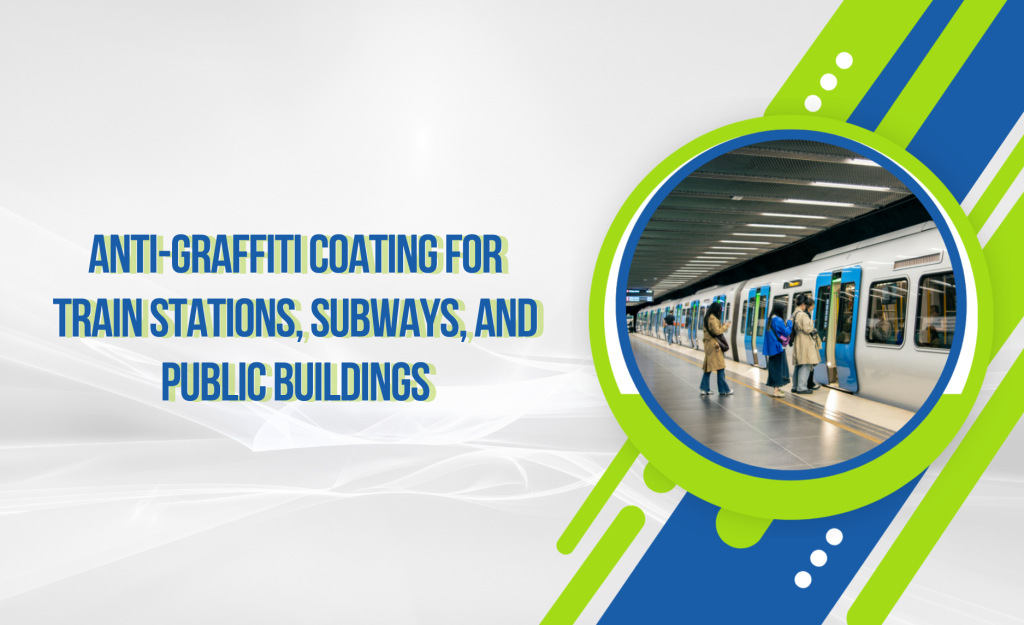
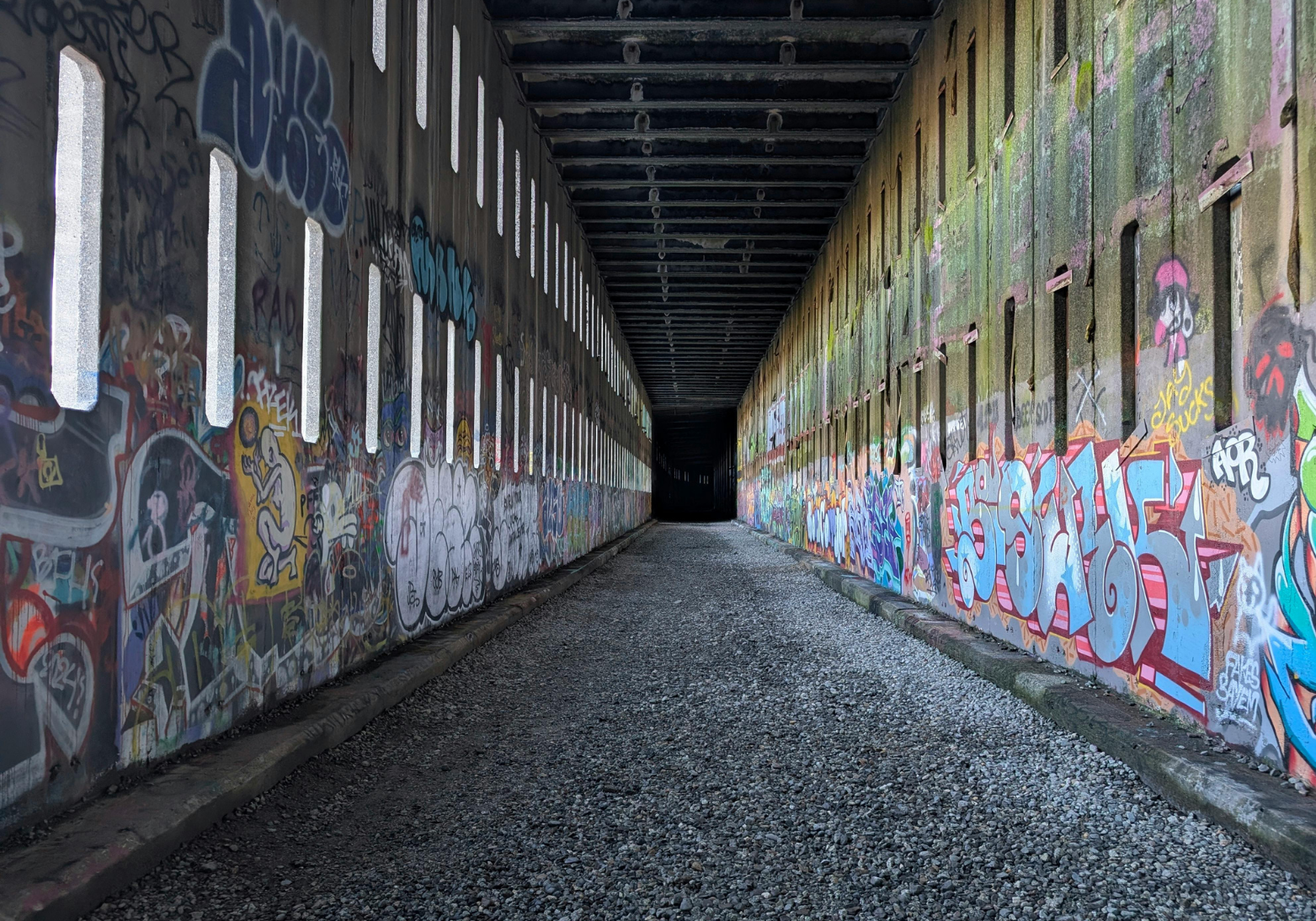
Graffiti is increasingly appearing in public areas. Common locations include stations, metro systems, and overpasses. Although some graffiti may be considered artistic, most still negatively affects urban aesthetics. In addition, it increases operational costs.
For public transportation systems, graffiti also creates a perception of insecurity. Therefore, many metro operators are highly concerned about this issue. According to various international reports, transportation companies spend significant amounts of money on graffiti removal. These costs include both cleaning and surface repair.
In this context, anti-graffiti coatings are being adopted more extensively. This solution helps prevent paint adhesion on infrastructure surfaces. In addition, the coating supports faster cleaning and extends material lifespan.
WHAT IS AN ANTI-GRAFFITI COATING?
An anti-graffiti coating is a protective layer applied to material surfaces. This coating helps prevent paint and ink from strongly adhering to the surface. When graffiti occurs, the cleaning process becomes easier. At the same time, the underlying surface is less likely to be damaged.
Currently, anti-graffiti coatings are used on various materials. Common materials include glass, metal, and concrete. In addition, coatings are also applied to natural stone and composites. This technology is widely used in modern metro systems.
Many coating systems also provide water resistance and chemical resistance. In addition, they help protect against outdoor UV exposure. As a result, infrastructure surfaces maintain better durability over time.
Some coating systems operate based on hydrophobic mechanisms. This mechanism helps reduce liquid absorption on the surface. In addition, the coating minimizes spray paint adhesion. As a result, graffiti can be cleaned more quickly.
WHY IS GRAFFITI A MAJOR ISSUE FOR PUBLIC INFRASTRUCTURE?
High Cleaning and Maintenance Costs
Graffiti frequently appears in areas with heavy pedestrian traffic. For metro systems and stations, cleaning must be carried out regularly to maintain a professional image.
According to many international public transportation organizations, the annual cost of graffiti removal is extremely high. The London public transportation system alone is estimated to spend approximately GBP 10 million per year on this issue.
In addition to labor costs, companies must also invest in cleaning chemicals, cleaning equipment, and surface maintenance.
Impact on Public Image and Passenger Experience
Structures affected by graffiti often create a perception of deterioration and insecurity. This issue is particularly sensitive for modern urban railway and metro systems.
According to the International Association of Public Transport (UITP), graffiti not only causes financial losses but also negatively affects passengers’ sense of security.
Many transportation operators now consider maintaining a clean appearance as an essential part of customer experience.
Increased Risk of Material Damage
Certain spray paints contain strong solvents that may damage metal surfaces, glass, or existing protective coatings. If cleaning is repeatedly performed using aggressive chemicals, the substrate material may also deteriorate more rapidly.
This is why many projects now prioritize anti-graffiti coatings from the initial construction stage.
COMMON APPLICATION AREAS FOR ANTI-GRAFFITI COATINGS
Metro Systems and Trains
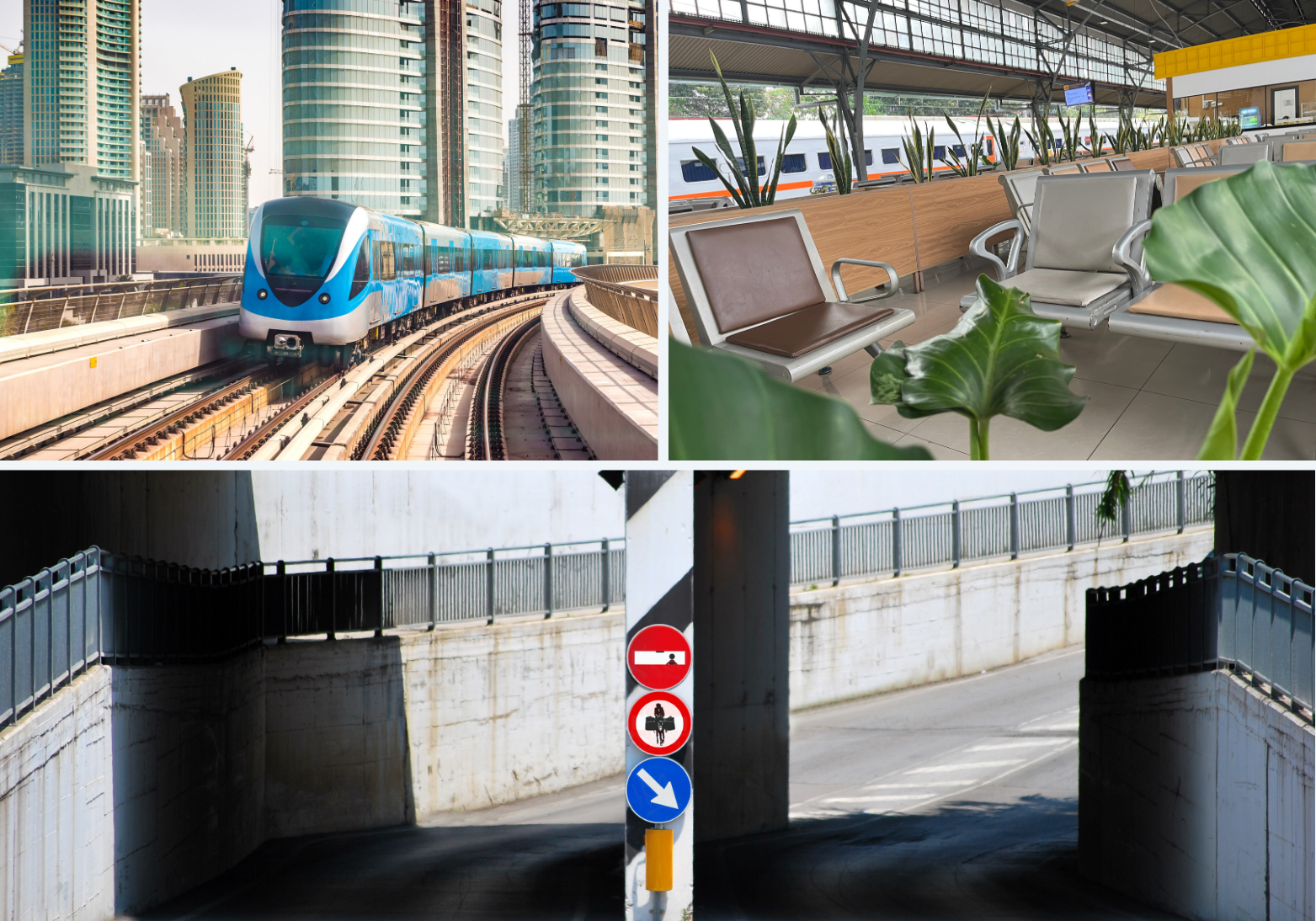
Metro systems are among the most common targets for graffiti. Large exterior metal surfaces of train cars are highly vulnerable to vandalism.
Many European transport operators currently use anti-graffiti coatings as a technical standard for new rolling stock. Some coating systems are required to maintain protective performance for many consecutive years.
Stations and Public Waiting Areas
Stations are locations with high pedestrian density. Walls, glass panels, and metal columns are highly susceptible to graffiti and unauthorized advertising stickers. Anti-graffiti coatings enable faster cleaning and reduce infrastructure maintenance time.
Overpasses and Pedestrian Tunnels
Areas with limited supervision often face a high risk of graffiti. For pedestrian tunnels and overpasses, cleaning is often difficult due to large surface areas and complex working conditions.
Many cities currently prioritize anti-graffiti coatings for outdoor concrete surfaces to reduce long-term maintenance costs.
Commercial and Public Buildings
In addition to transportation infrastructure, anti-graffiti coatings are also applied to schools, shopping centers, and office buildings.
This solution helps maintain a professional image for buildings in densely populated urban areas.
BENEFITS OF APPLYING ANTI-GRAFFITI COATINGS
One of the greatest benefits is reduced operational costs. This is a major concern for many businesses. Once surfaces are protected, graffiti can be removed more easily. At the same time, the cleaning process becomes faster.
In addition, businesses do not need to use excessively strong chemicals. This helps minimize damage to substrate materials. A clean system also helps passengers feel safer. At the same time, service quality is perceived more positively. Many studies show that a clean environment creates a better user experience. This is an important factor for modern public transportation systems.
Many new coating systems also feature lower VOC content. Therefore, they are more environmentally friendly than previous generations. In addition, reducing cleaning frequency helps save water. At the same time, the amount of cleaning chemicals used is significantly reduced.
DEVELOPMENT TRENDS
The anti-graffiti coating industry is developing toward greater sustainability. At the same time, many new technologies are continuously emerging. Many coating systems now integrate multiple functions simultaneously. Common features include water resistance and UV resistance.
In addition, some technologies also support advanced self-cleaning capabilities. This helps reduce dust accumulation on infrastructure surfaces. Some nano coatings also enable natural cleaning through rainwater. As a result, maintenance costs are significantly reduced.
Furthermore, modern metro systems are driving demand for high-performance coatings. Smart cities are also following similar trends. According to many international reports, this market will continue to grow. In particular, demand for sustainable infrastructure is increasing rapidly.
In the future, coatings will not only protect infrastructure surfaces. This technology will also contribute to more sustainable urban operations.
CONCLUSION
Anti-graffiti coatings are becoming an important solution for modern infrastructure. Common applications include stations and metro systems. Thanks to their anti-adhesion properties, these coatings make cleaning easier. At the same time, infrastructure materials are better protected.
In addition, businesses can significantly reduce long-term maintenance costs. This is an especially important benefit for public transportation systems.
As urbanization continues to accelerate, demand for coatings is also growing rapidly. In particular, more infrastructure projects now utilize outdoor materials. In the future, high-performance coatings will be more widely adopted. Nano coatings and self-cleaning coatings will play an important role.
VICHEM – AUTHORIZED DISTRIBUTOR OF CHEMICAL ADDITIVES FROM LEADING BRANDS SUCH AS COVESTRO, SINOPEC, BUHLER, … IN VIETNAM
Vichem is an authorized distributor of chemical additive products from leading brands such as Covestro, Sinopec, Buhler, … in the Vietnamese market. We not only provide high-quality products but also deliver after-sales services that meet international standards.
For more information about our products, please contact us through the following channels:
📞 Hotline: 08 1790 1790
📧 Email: contact@vichem.vn
🔎 LinkedIn: Vichem JSC
🌐 Website: www.vichem.vn
📌 Facebook: Vichem JSC