After roasting, coffee enters a highly sensitive stage. This is when its aroma is most prone to change. Without proper control, quality will deteriorate quickly.
Do you think roasting marks the finish line? In reality, post-roast coffee quality depends on many different factors. From roasting technology and storage to usage methods, all directly impact the final flavor.
THE ROLE OF THE POST-ROAST STAGE IN COFFEE QUALITY
After roasting, coffee beans continue to undergo changes. Chemical reactions do not stop, and CO₂ is still being released. During this stage, the aroma may reach its peak or begin to decline. If not properly controlled, coffee will quickly lose its fragrance.
In addition, the bean structure becomes more porous. This makes coffee more susceptible to environmental influences, which is why the post-roast stage plays a crucial role.
FACTORS AFFECTING COFFEE QUALITY AFTER ROASTING
Initial roasting quality and technology
Modern roasting technology allows for precise temperature control, enabling better flavor development. For example, industrial roasting systems such as Bühler RoastMaster allow detailed adjustment of temperature, time, and roasting profiles.
As a result, businesses can create consistent flavor profiles for each type of bean. In addition, the system allows roasting recipes to be stored and reused.
Another important factor is uniform heat transfer. The combination of hot air and drum roasting ensures even roasting from the inside out, reducing the risk of localized scorching or underdevelopment.
Post-roast usage time
Coffee does not retain its quality indefinitely. After roasting, its flavor reaches an optimal level within a limited time.
In the first few days, the coffee is still degassing. After that, the flavor becomes more stable. However, if stored for too long, the aroma will fade. The main cause is oxidation. Volatile aromatic compounds gradually dissipate, making the coffee taste flatter. Therefore, using coffee at the right time is essential.
Degassing process
After roasting, coffee beans release CO₂. This process is most active during the first few days. If brewed too soon, CO₂ can hinder extraction and result in an unbalanced cup.
Conversely, if left too long, the gas will dissipate completely, and the coffee will lose its freshness. Typically, coffee should be used 2–5 days after roasting, when the flavor is more stable.
Storage conditions
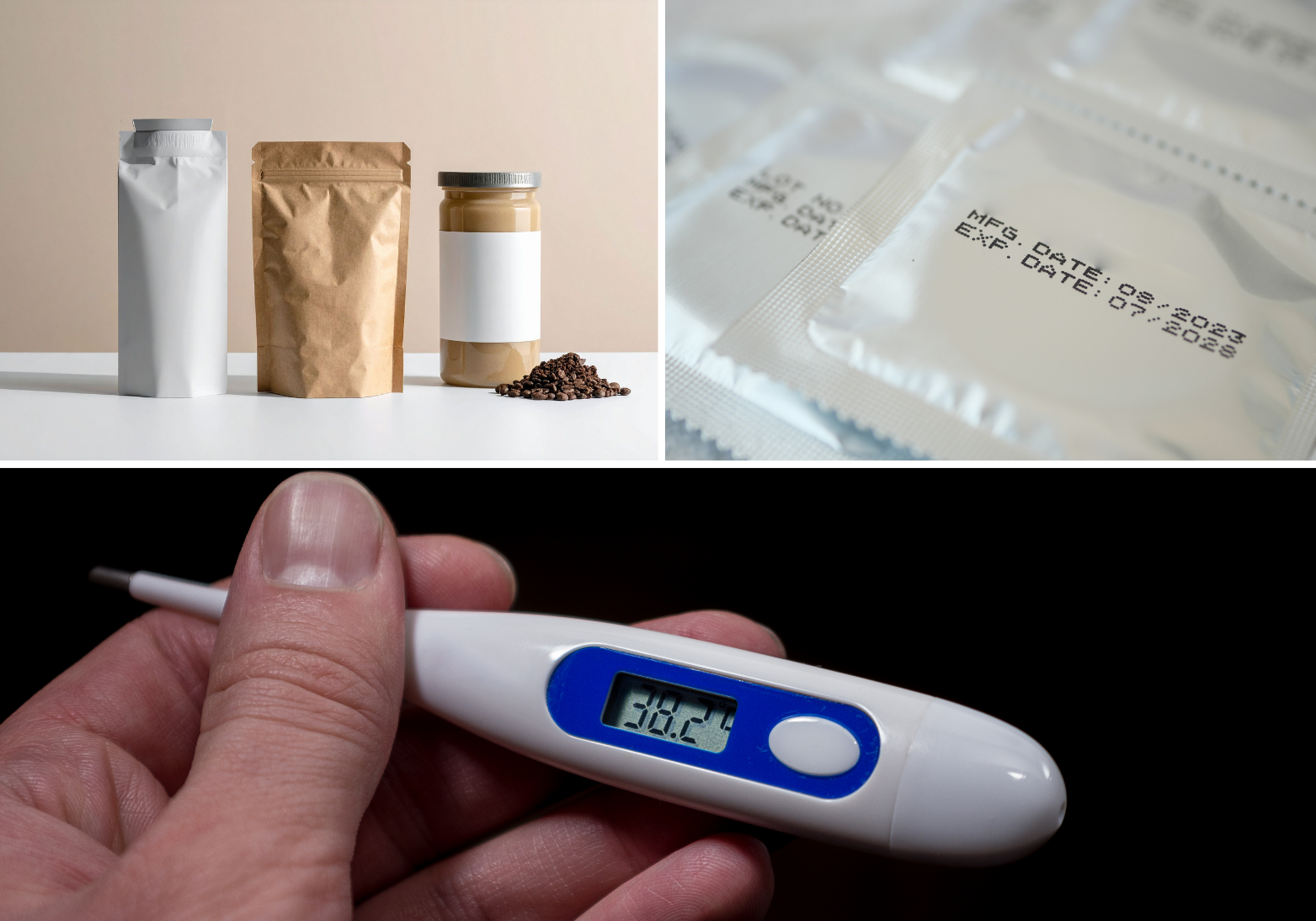
Coffee is highly sensitive to environmental factors such as oxygen, light, temperature, and humidity. When exposed to air, coffee oxidizes, which is the main cause of aroma loss. Light and heat also break down aromatic compounds, while high humidity can lead to mold growth.
Therefore, coffee should be stored in airtight containers, placed in a dry environment and away from light.
Grind size and grinding method
Grinding is a step that directly affects post-roast quality. If the grind size is inconsistent, extraction will be uneven, resulting in off-balanced flavors. In addition, grinding generates heat, which can cause aroma loss.
Therefore, it is recommended to use a high-quality grinder and select the appropriate grind size for the brewing method.
Packaging and storage environment
Packaging plays a critical role in protecting coffee from external conditions. Modern packaging often features one-way valves, allowing gas to escape while preventing air from entering.
Production scale and consistency
In large-scale production, consistency is a key factor. If each roasting batch differs, quality will be inconsistent. This is why many businesses are shifting to automated roasting systems. Modern industrial roasters can control the entire process.
For example, the RoastMaster line can achieve capacities of hundreds of kilograms per hour while maintaining high consistency between batches. In addition, the system supports data monitoring and real-time adjustments, helping to reduce errors and improve consistency.
CONCLUSION
Post-roast coffee quality is the result of multiple factors. From roasting technology to storage, all play important roles.
Among these, roasting technology serves as the foundation. A good roasting system helps create a consistent product from the start. Factors such as usage time, grind size, and storage conditions ultimately determine the final quality.
Businesses need to control the entire process. This is the key to improving quality and staying competitive in the market.
VICHEM – OFFICIAL DISTRIBUTOR OF BUHLER INDUSTRIAL AND AGRICULTURAL MACHINERY IN VIETNAM
Vichem is the official distributor of Buhler industrial and agricultural machinery products in the Vietnamese market. We not only provide high-quality products but also deliver internationally standardized after-sales services.
For more information about our products, please contact us via the following channels:
📞 Hotline: 08 1790 1790
📧 Email: contact@vichem.vn
🔎 LinkedIn: Vichem JSC
🌐 Website: www.vichem.vn
📌 Facebook: Vichem JSC