
Each solvent has its own physicochemical properties. Without a clear understanding of technical parameters, businesses may face risks related to cost, performance, and safety. Therefore, mastering these key parameters is essential.
DEFINITION
A solvent is a substance capable of dissolving other substances to form a homogeneous solution. They are typically in liquid form and are widely used in industry.
In practice, solvent selection is not based solely on solubility. Technical factors such as evaporation rate, viscosity, and safety also play critical roles. These factors determine the efficiency and stability of the production system.
KEY TECHNICAL PARAMETERS FOR SOLVENT SELECTION
Polarity
Polarity is a fundamental factor in solvent selection. It determines the solvent’s ability to dissolve specific substances.
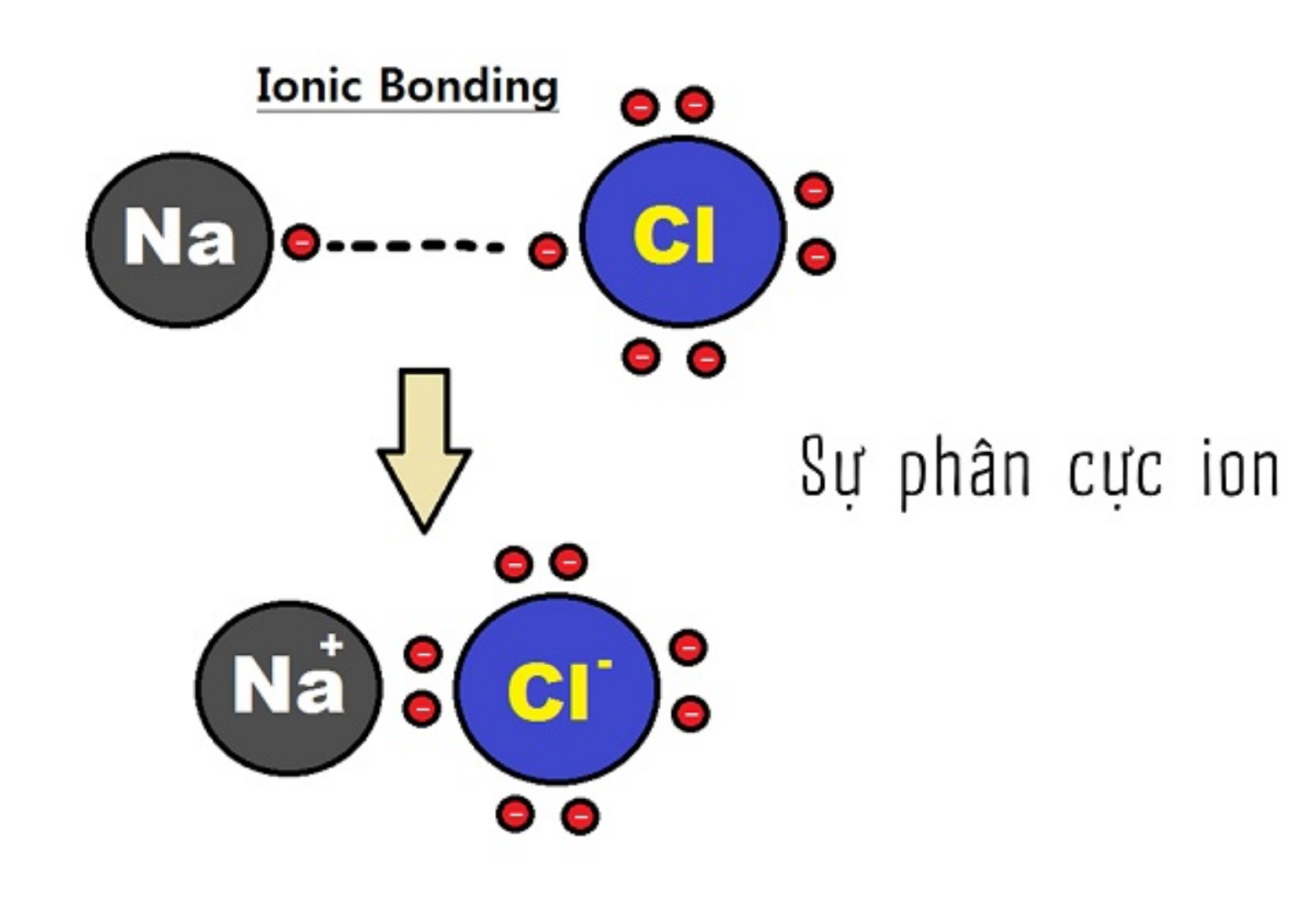
Polar solvents such as water or methanol are suitable for ionic or polar compounds. In contrast, non-polar solvents such as toluene or hexane are suitable for non-polar organic substances.
The principle of “like dissolves like” is commonly applied in practice. If the polarity is not properly matched, the dissolution process will be inefficient and costly.
Boiling Point
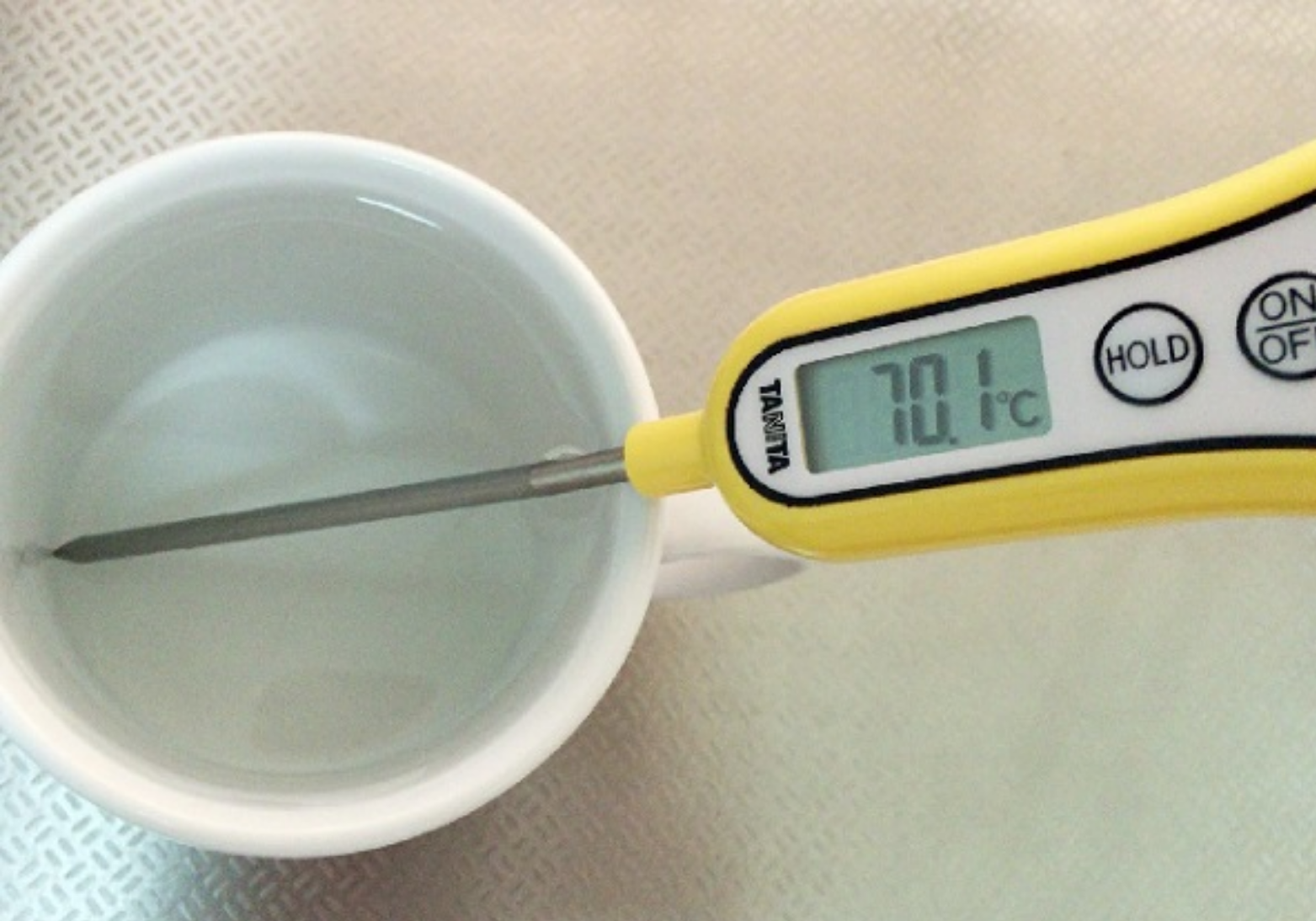
Boiling point directly affects the evaporation rate of a solvent. This is an important factor in many production processes.
Solvents with low boiling points evaporate more quickly. This is suitable for applications requiring fast drying such as coatings or printing inks. Conversely, solvents with high boiling points allow better process control.
Selecting the appropriate boiling point helps balance processing speed and surface quality.
Volatility
Volatility represents the ability of a solvent to transition from liquid to vapor. This parameter is closely related to vapor pressure.
Highly volatile solvents help shorten production time. However, excessive volatility may cause surface defects. This is particularly important in the coating industry.
Therefore, it is necessary to select solvents with volatility suitable for each specific process.
Viscosity
Viscosity affects the flow and dispersion of solvents within a system. It is an important factor during application and processing.
Low-viscosity solvents enable easier mixing. They also support efficient spraying and surface coating. Meanwhile, higher viscosity provides better control but is more difficult to handle.
Adjusting viscosity appropriately helps improve product quality and reduce defects in production.
Solubility
Solubility reflects the compatibility between the solvent and materials. This is a key factor determining the overall system performance.
Each type of polymer or resin is compatible with a specific group of solvents. Incorrect selection may result in incomplete dissolution or precipitation.
In formulations, solubility is often optimized to achieve maximum efficiency. This helps reduce consumption and enhance quality.
Purity
The purity of a solvent directly affects the final outcome. This is especially critical in the pharmaceutical and electronics industries.
Impurities in solvents may interfere with reactions or degrade product quality. Therefore, purity grades such as reagent grade or industrial grade must be selected according to the intended use.
Controlling purity ensures process stability and reliability.
Safety
Safety is a critical factor in solvent selection. Many organic solvents are flammable and highly volatile.
Flash point is an important parameter for risk assessment. Solvents with low flash points are more easily ignited. In addition, solvent vapors may pose health hazards.
Therefore, strict compliance with storage and handling regulations is required. This helps minimize the risk of accidents in production.
Environmental Impact
In the current context, environmental considerations are increasingly important. Solvent selection is no longer based solely on performance but also on environmental friendliness.
Low-VOC solvents are increasingly preferred. In addition, biodegradable solvents are becoming more widely used.
This trend helps businesses meet environmental standards and achieve sustainable development.

TRENDS
The industry is shifting strongly toward more sustainable solutions. Green solvents are gradually replacing traditional high-toxicity solvents.
At the same time, the demand for high-performance solvents is increasing. Industries such as electronics and pharmaceuticals require strict quality control.
Additionally, optimizing formulations by combining multiple solvents is becoming more common. This approach helps balance performance, cost, and safety.
CONCLUSION
Solvent selection is a complex process that involves multiple technical factors. Parameters such as polarity, boiling point, and volatility play critical roles in production efficiency.
In addition, factors such as safety and environmental impact are becoming increasingly important. Businesses need to understand the characteristics of each solvent to make appropriate decisions.
The right choice not only optimizes costs but also improves product quality. This is a key factor in modern industrial competitiveness.
VICHEM – AUTHORIZED DISTRIBUTOR OF CHEMICAL ADDITIVES FROM LEADING BRANDS SUCH AS COVESTRO, SINOPEC, BUHLER,… IN VIETNAM
Vichem is an authorized distributor of chemical additives from leading brands such as Covestro, Sinopec, Buhler,… in the Vietnamese market. We not only provide high-quality products but also deliver after-sales services that meet international standards.
For more information about our products, please contact us via the following channels
📞 Hotline: 08 1790 1790
📧 Email: contact@vichem.vn
🔎 LinkedIn: Vichem JSC
🌐 Website: www.vichem.vn
📌 Facebook: Vichem JSC