OH value is an important parameter in many polymer systems and coating materials. This index reflects the amount of hydroxyl groups present in a compound. Understanding the Hydroxyl Value helps control chemical reactions and material properties.
WHAT IS OH VALUE?
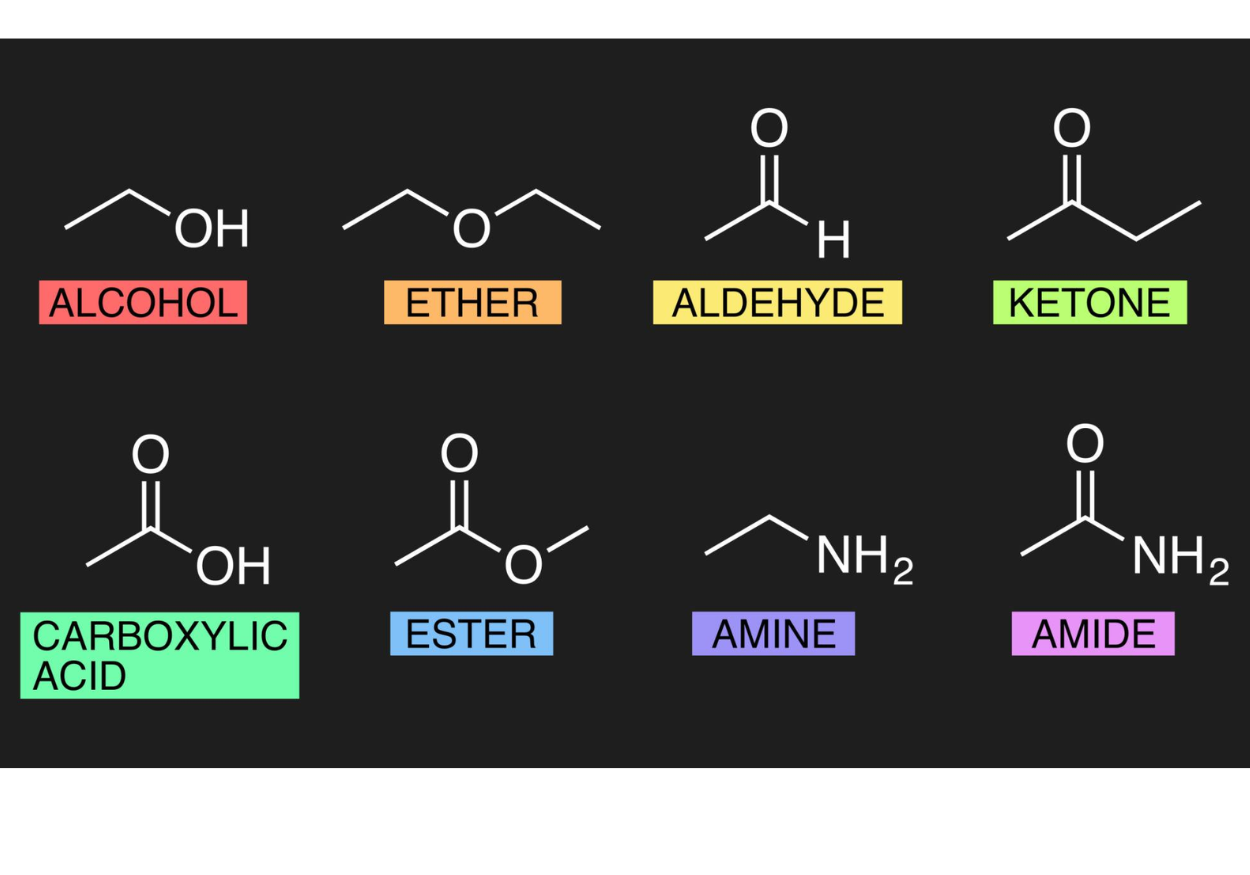
OH value is an index that indicates the amount of hydroxyl groups in a compound. The hydroxyl group is commonly represented as –OH in molecular structures. This value is expressed as mg KOH per gram of sample.
The Hydroxyl Value reflects the number of hydroxyl groups that can participate in chemical reactions. In many polymer systems, these groups play a crucial role. They directly affect bonding and curing reactions.
The Hydroxyl Value is widely used in the production of resins and coatings. Manufacturers rely on this parameter to design formulations. This helps control the properties of the final material.
CHEMICAL BASIS
The Hydroxyl Value is directly related to the number of free hydroxyl groups. These –OH groups can react with many other compounds. They commonly participate in esterification or urethane reactions.
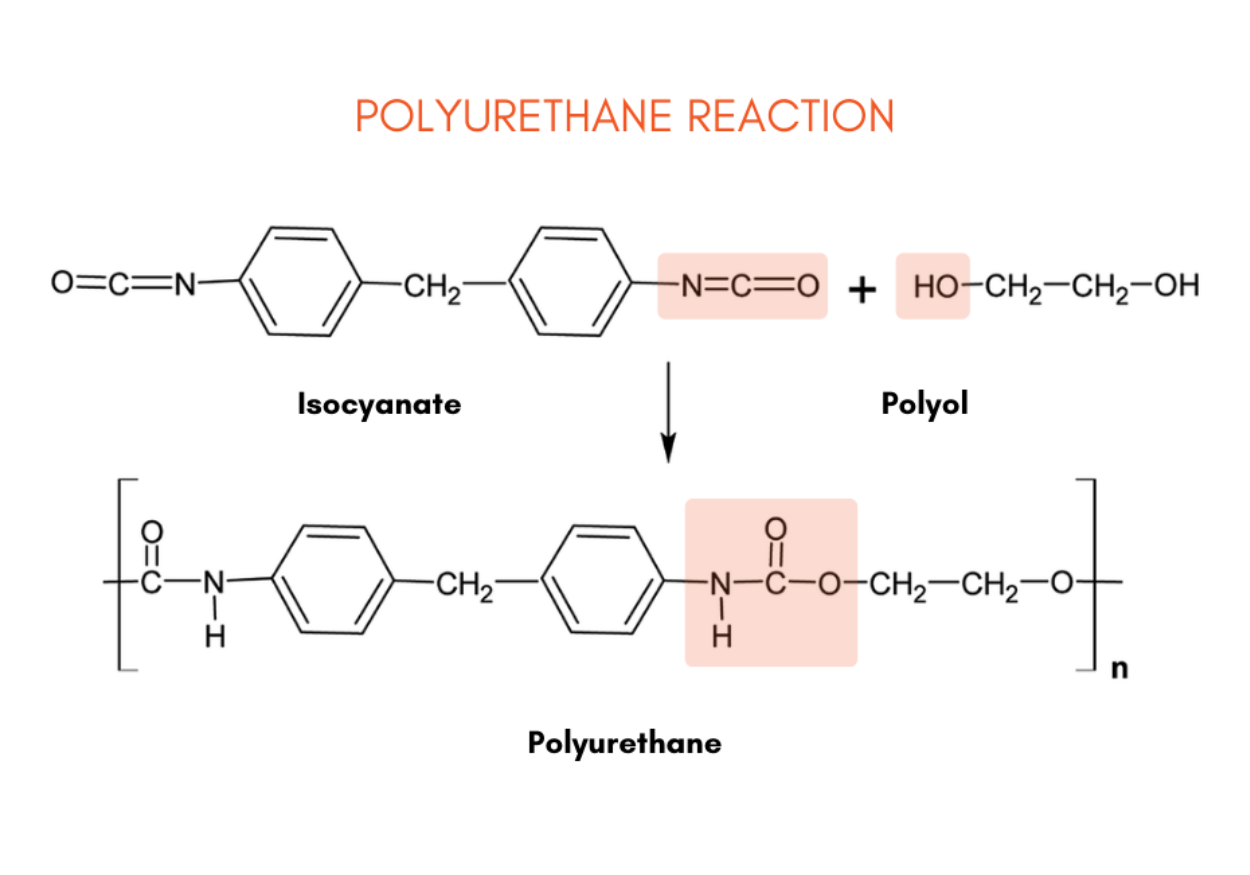
In polyurethane systems, OH value plays a particularly important role. Hydroxyl groups react with isocyanate groups to form urethane bonds. This reaction determines the final polymer structure.
The higher the OH value, the greater the density of hydroxyl groups. This increases reactivity during synthesis. Therefore, controlling this parameter is essential.
METHODS FOR DETERMINING OH VALUE
OH value is commonly determined using chemical titration methods. The sample reacts with a reagent to form an intermediate product. The resulting mixture is then titrated to calculate the hydroxyl value.
A common method involves acetylation of hydroxyl groups in the sample. After the reaction, the remaining acid is titrated with an alkaline solution. The results are used to calculate the OH value.
Modern laboratories may also use automated analytical instruments. These systems improve accuracy and reduce measurement errors. This is especially important in quality control.
ROLE OF OH VALUE IN POLYMER PRODUCTION
OH value is an important parameter in the production of polyol resins. Polyols contain multiple hydroxyl groups that participate in polymerization reactions. This index determines the reactivity of the material.
In polyurethane systems, OH value affects the crosslink density. A higher crosslink density produces harder polymers. Conversely, a lower density results in softer materials.
OH value also influences the viscosity of polyols. Polyols with higher OH values often have smaller molecular structures. This changes the physical properties of the polymer system.
APPLICATION OF OH VALUE IN COATINGS
The Hydroxyl Value plays an important role in polyurethane coating formulations. Hydroxyl groups react with isocyanates to form durable coating films. This reaction creates a stable polymer network.
Hydroxyl Value also affects coating hardness. A higher OH value usually produces harder and more durable films. This is especially important in industrial coatings.
In some coating systems, OH value also influences drying time. A higher hydroxyl group density can accelerate reactions. This speeds up the curing process.
OH VALUE IN ALKYD RESINS
OH value is an important parameter in alkyd resin production. Alkyd resins contain many hydroxyl groups within their molecular structure. These groups influence curing reactions.
During production, OH value is carefully controlled. This parameter helps determine the reaction level between oils and acids. As a result, the alkyd resin structure can be optimized.
The Hydroxyl Value also affects the performance of alkyd coating films. A suitable value helps create durable and stable coatings. This improves coating quality.
IMPORTANCE OF OH VALUE IN QUALITY CONTROL
Hydroxyl Value is a critical parameter in raw material quality control. It helps evaluate the activity of polyols. This ensures product consistency.
In industrial production, OH value helps control polymerization reactions. Deviations in this parameter may alter polymer structure. This affects final material properties.
Manufacturers usually test OH value for each batch of raw materials. Monitoring this parameter helps maintain stable product quality. This is an essential requirement in modern production.
CONCLUSION
The Hydroxyl Value is an important parameter in polymer chemistry and coating materials. This index reflects the amount of hydroxyl groups in a compound. It enables manufacturers to control chemical reactions more effectively.
In many industries, OH value directly affects material properties. Understanding this parameter helps design efficient formulations. This contributes to improved product performance.
Therefore, the Hydroxyl Value plays a crucial role in research and industrial production. Accurate control of this parameter ensures reliable material performance. It forms the foundation of many modern polymer applications.
VICHEM – OFFICIAL DISTRIBUTOR OF CHEMICAL ADDITIVES FROM MAJOR BRANDS SUCH AS COVESTRO, SINOPEC, AND BUHLER IN VIETNAM
Vichem is the official distributor of chemical additives from leading brands such as Covestro, Sinopec, and Buhler in the Vietnamese market. We provide high-quality products along with international-standard after-sales services.
- Technical consulting: Support customers in selecting products suitable for their application.
- Color-matching tests: Vichem specialists perform matching tests to ensure results meet design standards.
- On-site application support: Assist customers during integration into production lines to ensure optimal performance.
For more information, please contact us:
📞 Hotline: 08 1790 1790
📧 Email: contact@vichem.vn
🔎 LinkedIn: Vichem JSC
🌐 Website: www.vichem.vn
📌 Facebook: Vichem JSC