Azo pigments are a widely used group of synthetic colorants in industry. They stand out for their diverse color range and cost-effectiveness. Understanding their properties helps in selecting the right Azo pigment for each application.
WHAT ARE AZO PIGMENTS?
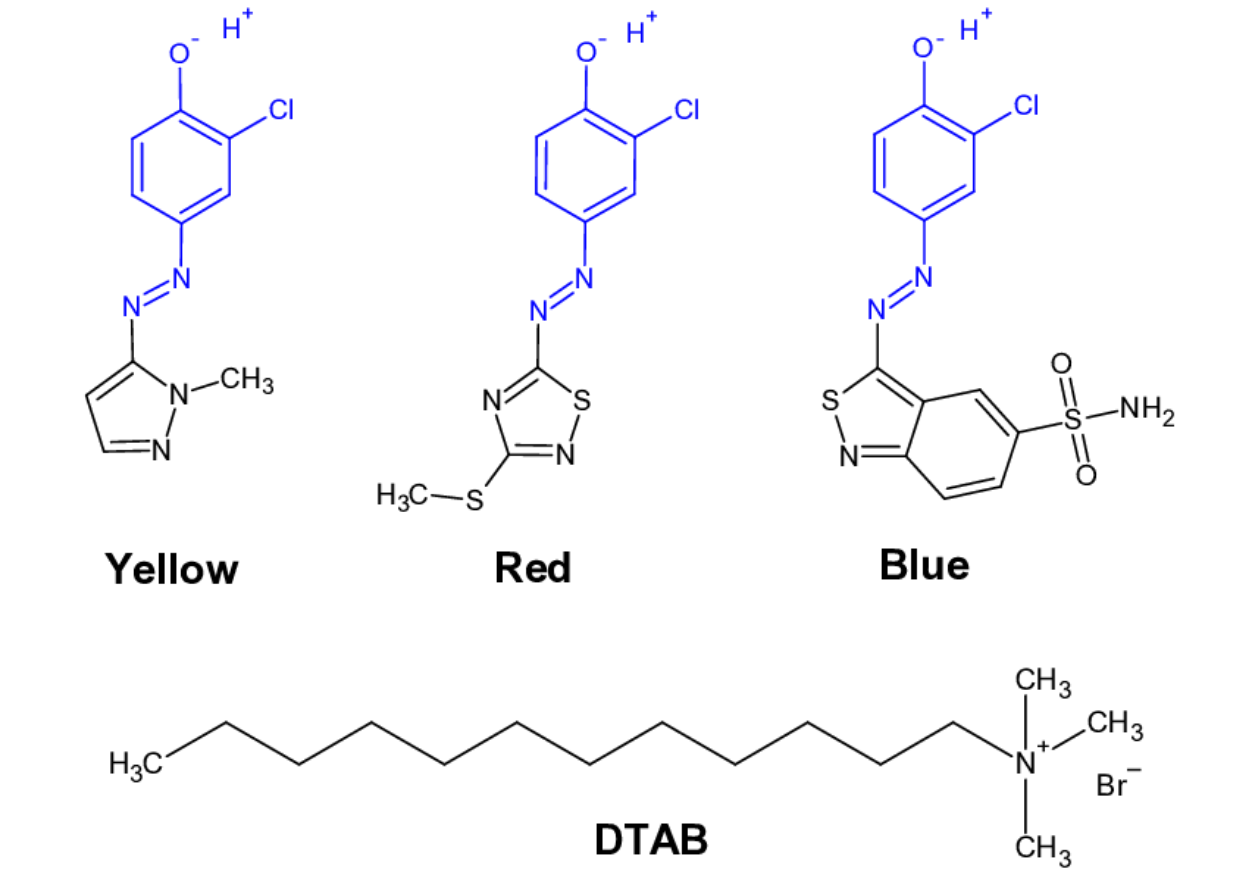
Azo pigments are organic compounds containing a characteristic azo linkage. This linkage has the form –N=N– connecting two aromatic rings. This structure enables strong light absorption.
This group accounts for a large share of synthetic colorants. They were first developed in the nineteenth century. Today, Azo pigments still play an important role.
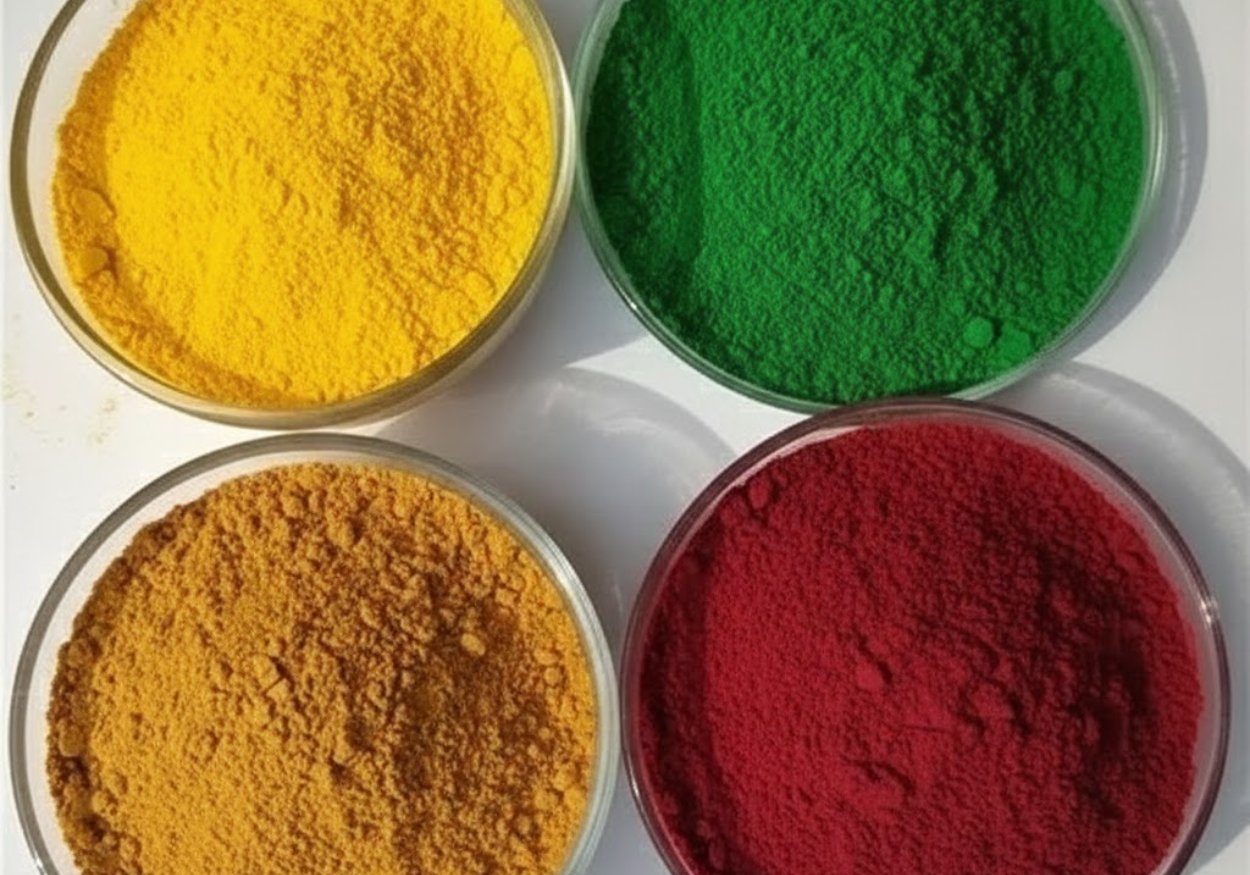
Depending on molecular structure, the color may vary. The color spectrum ranges from yellow to red and orange. This versatility makes Azo pigments suitable for many fields.
STRUCTURE AND CLASSIFICATION
Basic Chemical Structure
The azo linkage is the most important identifying feature. Two nitrogen atoms are double-bonded to form the –N=N– group. This group connects colored aromatic systems.
Substituents on the aromatic rings can alter the color. Electron-donating or withdrawing groups affect absorption wavelength. This is why Azo pigments offer a wide color range.
Molecular structure also influences durability and solubility. Some types are suitable for solvent-based systems. Others are designed for water-based systems.
Classification of Azo Pigments
Azo pigments are classified into monoazo and diazo types. Monoazo pigments contain one azo linkage. Diazo pigments contain two azo linkages in the molecule.
There are also polyazo pigments with multiple azo groups. The number of linkages affects color strength. This determines their specific application range.
Classification can also be based on solubility and physical form. Some are soluble in organic solvents. Others exist as insoluble pigment particles.
PROPERTIES OF AZO PIGMENTS
Azo pigments have high color strength. A small amount can produce vivid color. This is a major advantage in manufacturing.
Color durability depends on structure and environment. Some types have good lightfastness. However, not all can withstand strong UV exposure.
Dispersibility is another important factor. In plastic and coating systems, dispersion determines uniformity. This directly affects surface quality.
APPLICATIONS OF AZO PIGMENTS
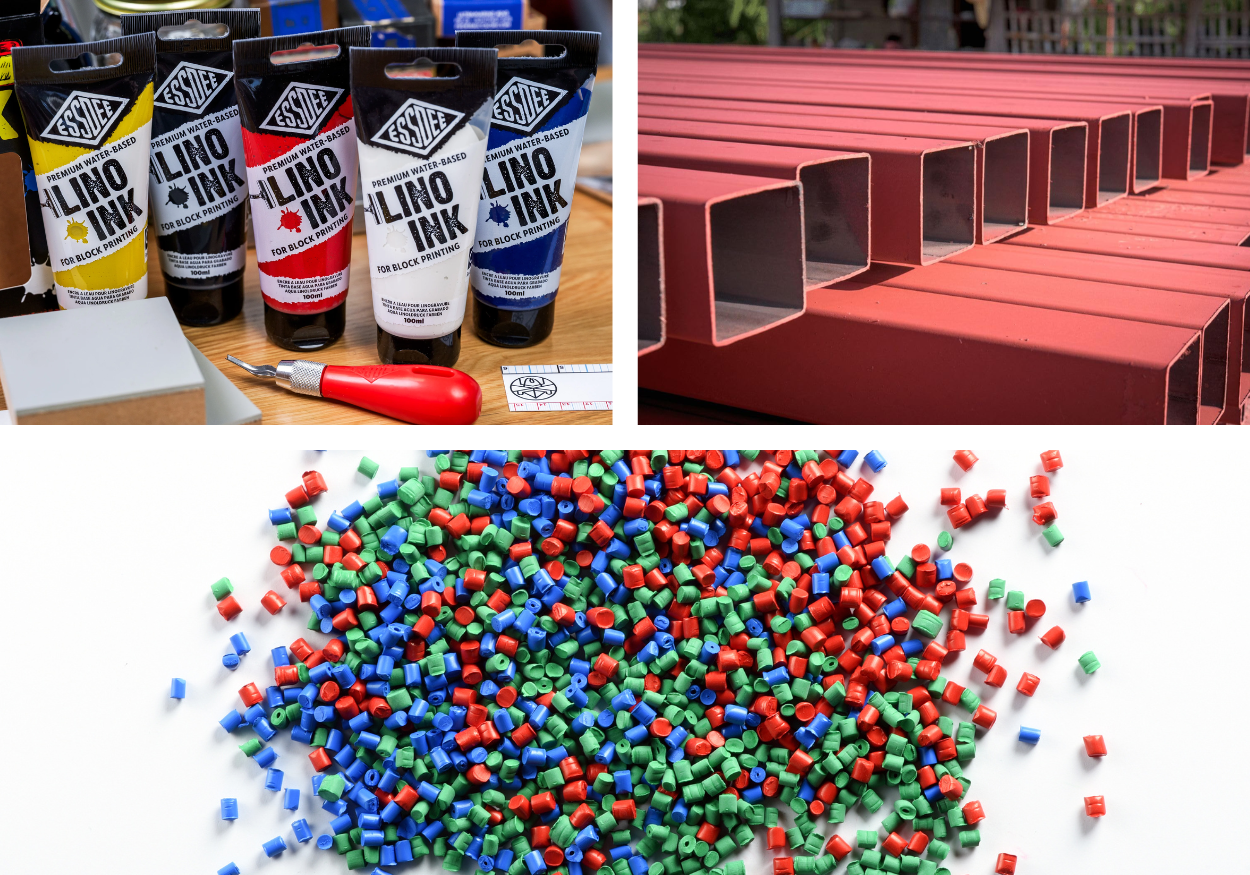
Azo pigments are widely used in the plastics industry. They color PVC, PE, and PP materials. Bright shades enhance product appearance.
In coatings, they provide red and yellow tones. These shades are difficult to replace with other pigments. Therefore, Azo pigments are highly valued.
Printing inks also use many azo compounds. They produce clear and sharp colors. This meets the requirements of packaging and labeling.
- Technical consulting: Support customers in selecting products suitable for their application.
- Color-matching tests: Vichem specialists perform matching tests to ensure results meet design standards.
- On-site application support: Assist customers during integration into production lines to ensure optimal performance.
For more information, please contact us:
📞 Hotline: 08 1790 1790
📧 Email: contact@vichem.vn
🔎 LinkedIn: Vichem JSC
🌐 Website: www.vichem.vn
📌 Facebook: Vichem JSC