Air pollution is becoming a major issue in many industrial zones. Emissions generated from production processes may contain various hazardous substances. If not properly treated, they can cause long-term damage to both the environment and human health.
However, not all businesses fully understand the causes of pollution. A lack of knowledge leads to inefficient treatment systems. This increases legal risks and operational costs.
Currently, emission treatment technologies are continuously advancing. Modern solutions enable more efficient and sustainable emission control.
WHAT IS INDUSTRIAL AIR EMISSIONS POLLUTION?
Industrial air emissions pollution refers to the contamination of air caused by production activities. Factories typically emit various types of gases. These gases may contain fine particulate matter, chemicals, or toxic compounds.
When these substances accumulate in the atmosphere, environmental quality declines. This directly affects ecosystems and human health.
SOURCES OF EMISSIONS
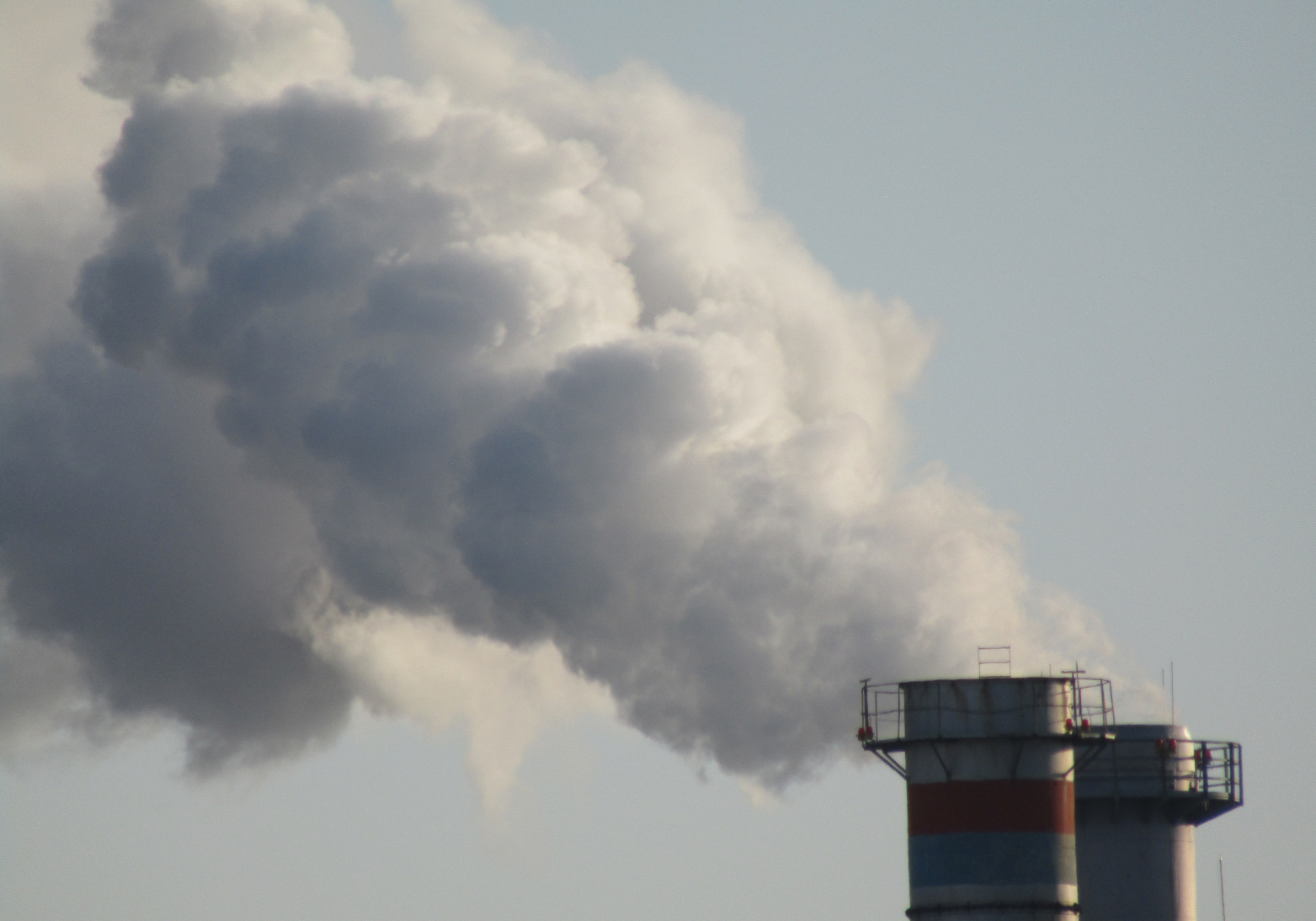
Industrial emissions originate from multiple sources. One of the main sources is fuel combustion. Factories use coal, oil, or gas for operation. This process generates toxic gases such as CO₂, SO₂, and NOx.
In addition, chemical production activities also generate emissions. Many volatile compounds can cause serious pollution. In processing industries, dust and fine particles are also key factors that need to be controlled.
Outdated machinery systems also contribute to increased emissions. When equipment is not well maintained, efficiency decreases and more pollutants are generated.
CAUSES OF INDUSTRIAL AIR POLLUTION
Production technology
One of the primary causes is outdated technology. Many factories still use obsolete equipment. These systems lack effective emission control capabilities.
When combustion efficiency is low, the volume of toxic gases increases. This leads to higher levels of air pollution.
Lack of emission treatment systems
Not all businesses invest in appropriate treatment systems. Some only apply simple solutions, which are insufficient to remove hazardous substances.
In addition, improper system design also causes issues. If gas flow is not properly controlled, treatment efficiency will decrease.
Poor operation and maintenance
Emission treatment systems require regular inspection. Without proper maintenance, performance declines over time.
Filters may become clogged or damaged. As a result, emissions are not fully treated, increasing the risk of pollution.
Lack of monitoring and gas analysis
Emission monitoring is a critical factor. Without measurement systems, businesses struggle to control air quality.
Solutions from Bühler Technologies enable accurate gas monitoring and analysis. This allows businesses to adjust their systems in a timely manner.
IMPACTS
Air emissions pollution causes many negative effects. First, it impacts human health. Toxic substances can lead to respiratory diseases and, in some cases, increase the risk of cancer.
Additionally, emissions affect the environment. They contribute to acid rain and climate change. Natural ecosystems are also degraded.
Moreover, pollution results in economic losses. Businesses may face penalties if they fail to comply with regulations. The cost of remediation can also be very high.
EMISSION TREATMENT METHODS
Dust filtration
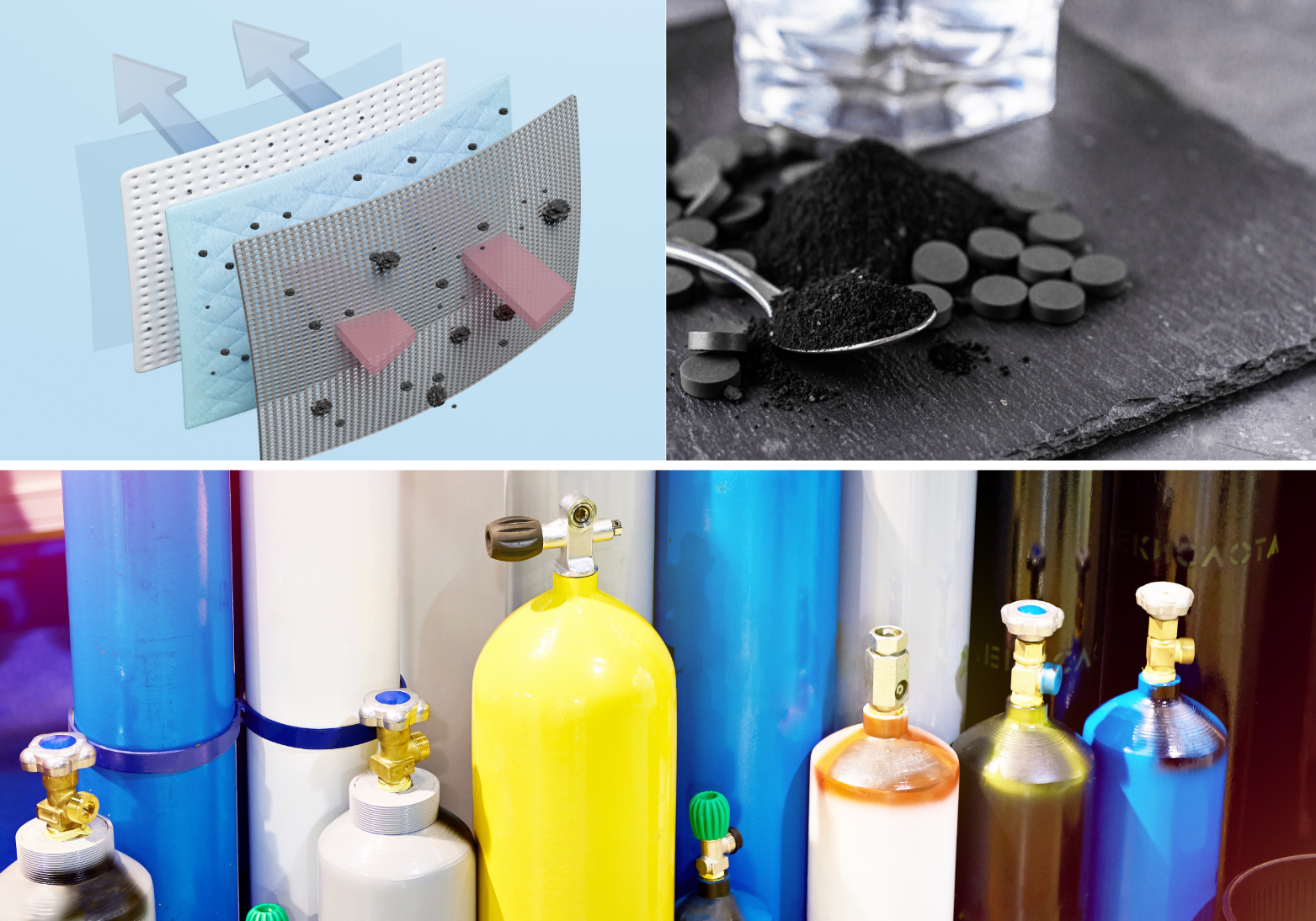
Dust filtration is a common solution in many industries. Systems use filters to capture solid particles. This method is suitable for gases containing fine dust.
The effectiveness of filtration depends on the filter material. Modern filters can capture extremely small particles.
Absorption method
Absorption involves passing gas through a liquid solution. Toxic substances are dissolved in the liquid.
This method is commonly used for chemical gases. It effectively removes hazardous compounds.
Adsorption method
Adsorption uses solid materials to capture toxic gases. Activated carbon is a commonly used material.
This method is suitable for low-concentration gases. It significantly improves air quality.
Thermal treatment
Thermal treatment involves burning toxic gases at high temperatures. Organic compounds are decomposed.
This method is highly effective; however, operational costs are relatively high.
THE ROLE OF GAS ANALYSIS SYSTEMS
In emission treatment systems, gas analysis is essential. It helps determine the composition and concentration of gases.
Equipment from Bühler Technologies supports accurate gas sampling and processing. As a result, systems can operate more efficiently.
Continuous monitoring enables businesses to effectively control emissions and meet environmental standards.
TRENDS
Emission treatment technology is undergoing significant advancements. Modern systems integrate smart sensors, enabling real-time air quality monitoring.
In addition, filter materials are continuously being improved. They offer greater durability and higher performance, helping to reduce operational costs.
Furthermore, sustainable development trends are gaining attention. Businesses are moving toward energy-efficient solutions, reducing environmental impact.

CONCLUSION
Industrial air emissions pollution is a serious issue. It affects the environment, human health, and the economy.
Understanding the causes helps businesses implement appropriate solutions. Modern treatment technologies enable more effective emission control.
Combined with analysis systems from Bühler Technologies, businesses can enhance treatment efficiency, ensuring safe and sustainable operations.
VICHEM – AUTHORIZED DISTRIBUTOR OF BUHLER INDUSTRIAL AND AGRICULTURAL MACHINERY AND EQUIPMENT IN VIETNAM
Vichem is the authorized distributor of Buhler industrial and agricultural machinery and equipment in the Vietnamese market. We not only provide high-quality products but also deliver international-standard after-sales services.
For more information about our products, please contact us via the following channels:
📞 Hotline: 08 1790 1790
📧 Email: contact@vichem.vn
🔎 LinkedIn: Vichem JSC
🌐 Website: www.vichem.vn
📌 Facebook: Vichem JSC