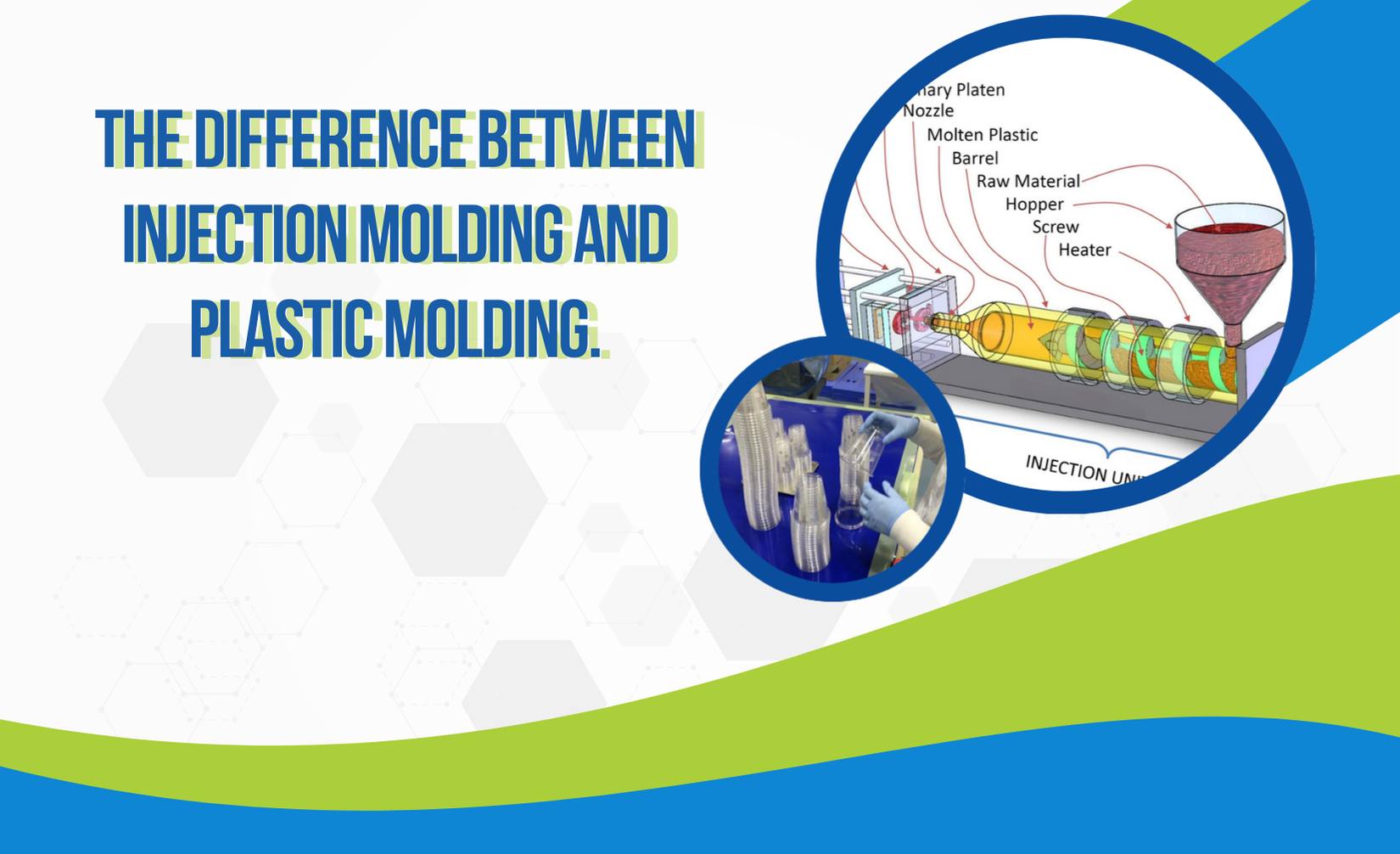
The plastics industry uses many processing methods to shape products. Among them, plastic injection molding and plastic casting are two common technologies in polymer material manufacturing. Both methods use molds to shape products.
However, the processing procedures and applications of each technology are different. Understanding the differences between plastic injection molding and plastic casting can help businesses choose the most suitable production method.
WHAT IS PLASTIC INJECTION MOLDING
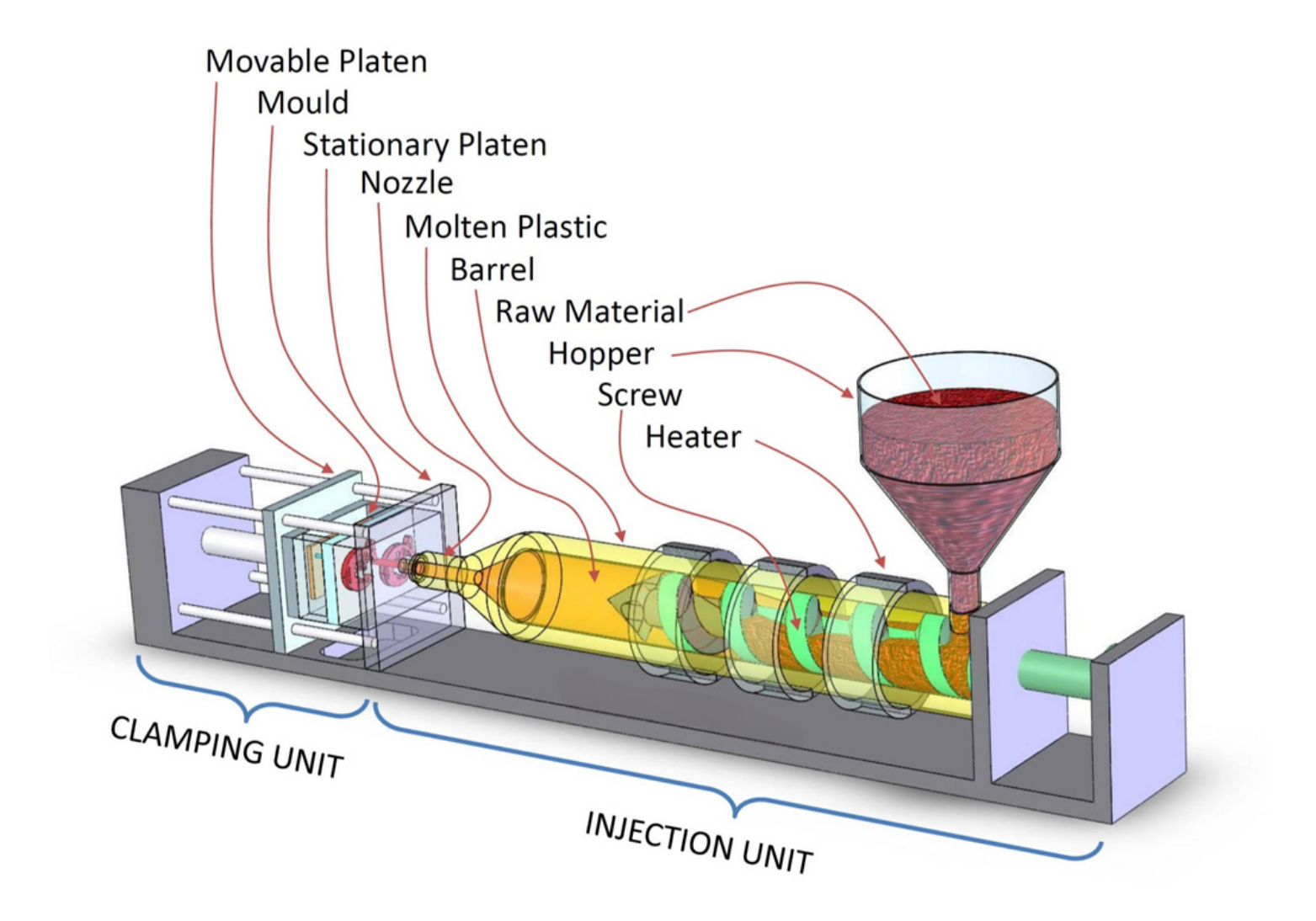
Plastic injection molding is a polymer processing method in which molten plastic is injected into a mold under high pressure. After the material is injected into the mold, the cooling system helps the plastic solidify and form the product.
This method is often referred to as plastic injection molding. This technology is widely used in industrial production because it can create products with high precision. Products made through injection molding usually have stable dimensions and smooth surfaces.
Injection molding is commonly used to produce small components or products with complex shapes. Electronic products, plastic components, and household items are often manufactured using this method.
WHAT IS PLASTIC CASTING
Plastic casting is a method of shaping polymers by pouring liquid or molten material into a mold. After the material is poured into the mold, the cooling process helps the material solidify and form the product.
Casting is often used in the production of products with large sizes or simple shapes. This technology is also used in the production of certain types of shoe soles and industrial polymer materials.
Plastic casting has a simpler production process compared to injection molding. However, the precision of the product may be lower if the mold is not optimally designed.
>>Learn more about plastic casting here

DIFFERENCES BETWEEN PLASTIC INJECTION MOLDING AND PLASTIC CASTING
Differences in Processing Methods
The biggest difference lies in how the material is introduced into the mold. In injection molding, polymer material is injected into the mold under high pressure. This process helps the material fill the mold quickly and accurately.
In contrast, plastic casting usually involves pouring material into the mold. The pressure used in casting is generally lower. As a result, the production speed may be slower than injection molding.
Differences in Product Precision
Injection molding usually produces products with high precision. This technology allows the production of small parts with low tolerance levels. Therefore, injection molding is widely used in the electronics and industrial equipment industries.
Plastic casting is suitable for products with large sizes or simple structures. This method is often used when very high precision is not required.
Differences in Production Costs
The investment cost for injection molding equipment is usually higher. Industrial injection molding machines have large capacities and require complex control systems.
In contrast, plastic casting has lower equipment costs. This method is suitable for small-scale manufacturers or for producing simple products.
MATERIALS USED IN PLASTIC INJECTION MOLDING AND PLASTIC CASTING
Polymers and Engineering Plastics
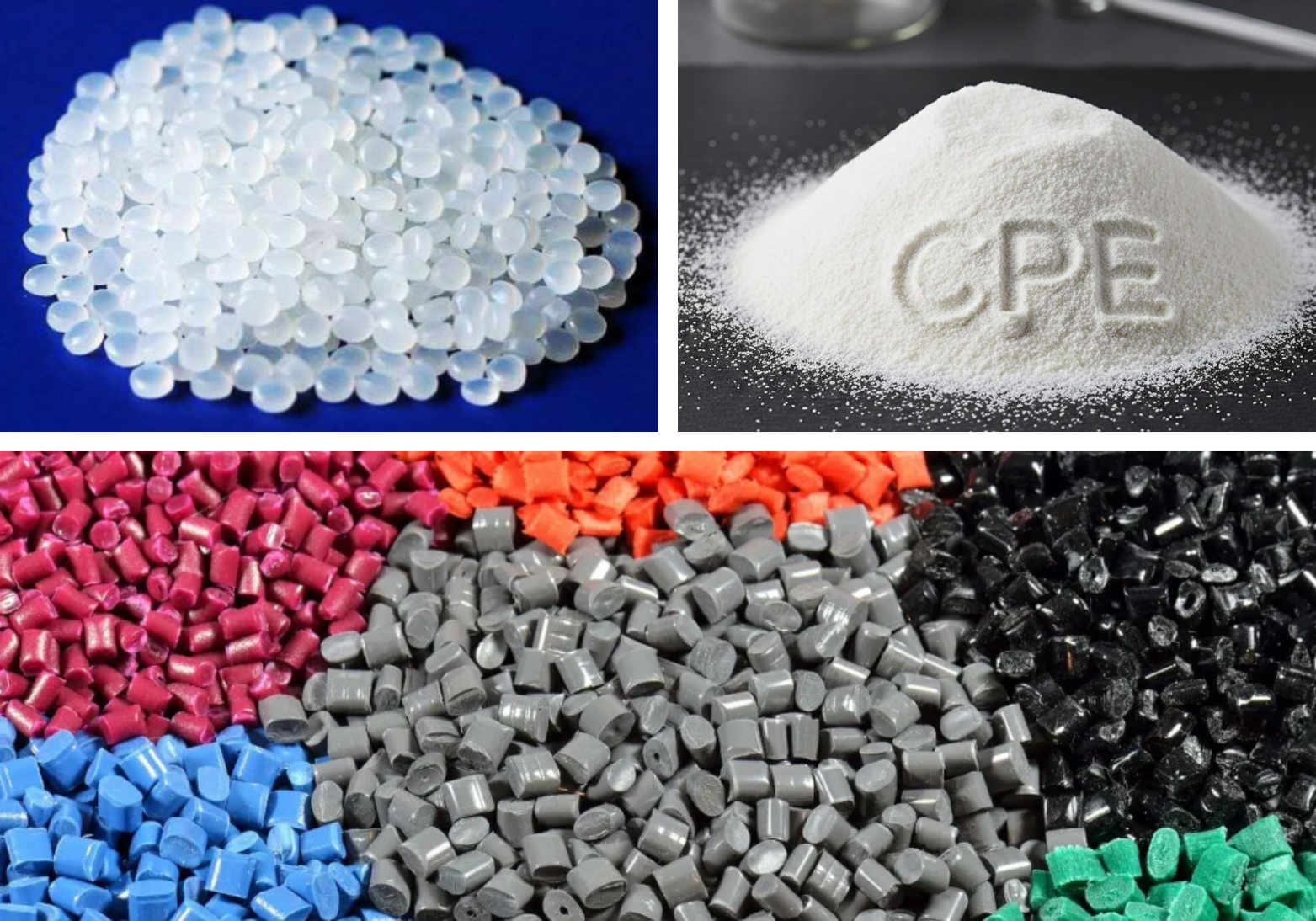
Many types of polymers are used in injection molding and plastic casting. Common materials include polyethylene, polypropylene, and ABS. These materials have good processability and are suitable for many industrial applications.
Some engineering plastics are also used to manufacture products that require high durability. These materials help improve the stiffness and mechanical strength of the product.
Additives
Processing aids help polymers flow more easily in the mold. This makes the production process more stable.
Some additives also help improve the durability and abrasion resistance of products. As a result, plastic products can be used for longer periods in various environments.
CONCLUSION
Plastic injection molding and plastic casting are two important methods in the polymer manufacturing industry. Each technology has its own advantages and is suitable for different types of products.
Injection molding is often used to manufacture components that require high precision. Meanwhile, plastic casting is suitable for products with large sizes or simple structures.
Choosing the appropriate production method helps businesses optimize costs and improve product quality.
VICHEM – OFFICIAL DISTRIBUTOR OF ENGINEERING PLASTICS, VIRGIN RESINS, AND ADDITIVES FROM POLYGRAM, TOTALENERGIES CORBION, AND TIANSHENG IN VIETNAM
Vichem is an authorized distributor of engineering plastics, virgin resins, and additives from Polygram, TotalEnergies Corbion, and Tiansheng in the Vietnamese market. We not only provide high-quality products but also deliver international-standard after-sales services.
For more information about our products, please contact us through the following channels:
📞 Hotline: 08 1790 1790
📧 Email: contact@vichem.vn
🔎 LinkedIn: Vichem JSC
🌐 Website: www.vichem.vn
📌 Facebook: Vichem JSC