The non-conversion film formation mechanism is the process of forming a paint film without any new chemical reactions. This process relies on solvent evaporation and the physical arrangement of polymer chains. Understanding this mechanism helps control coating quality and performance.
WHAT IS NON-CONVERSION FILM FORMATION?
Non-conversion film formation is a film-forming mechanism based on physical transformation. No new polymerization or crosslinking reactions occur. The polymer retains its original chemical structure.
This process commonly occurs in solvent-based or water-based coatings. As the solvent evaporates, polymer particles move closer together. They form physical bonds to create a continuous film.
The non-conversion mechanism differs from thermosetting systems. No chemical curing reaction takes place. This difference significantly affects the final film properties.
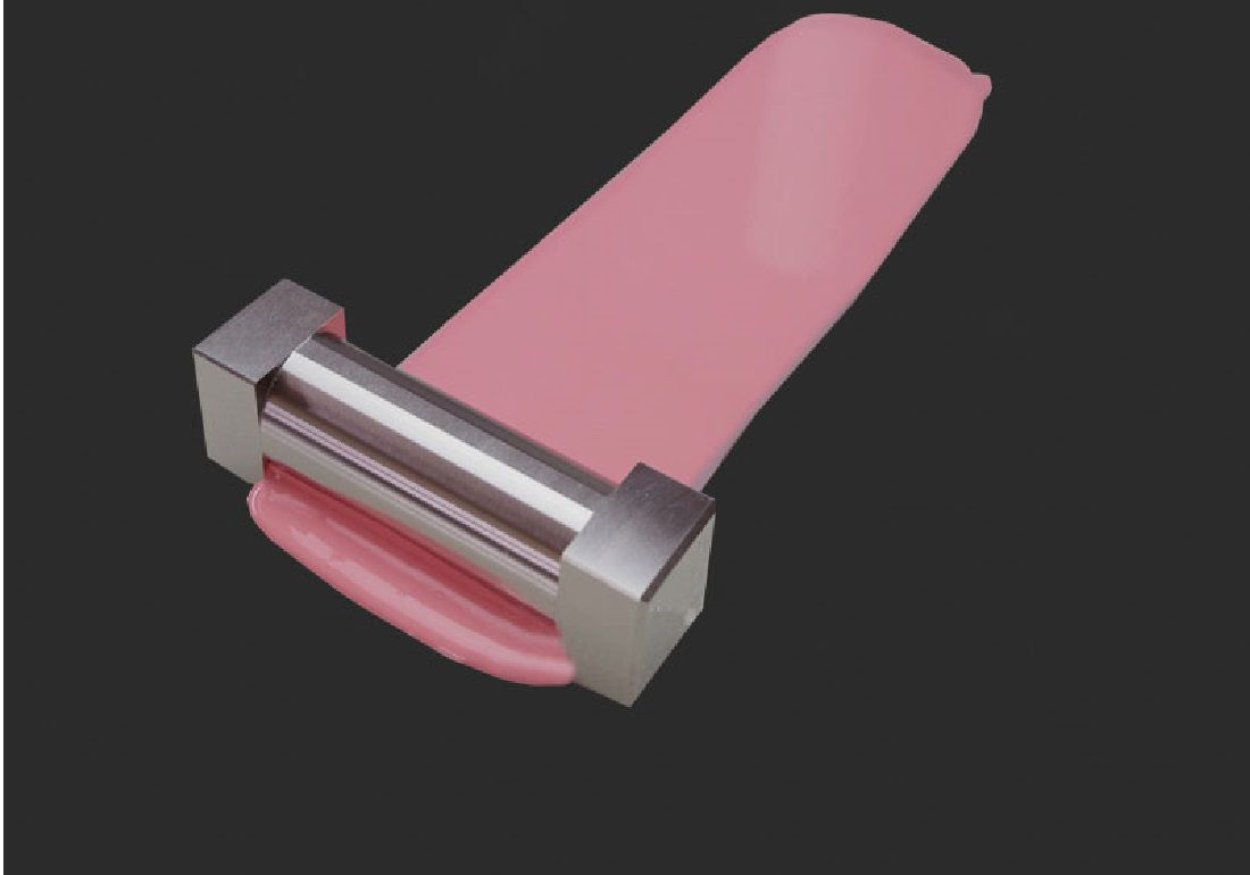
NATURE OF THE NON-CONVERSION FILM FORMATION MECHANISM
The mechanism depends primarily on solvent evaporation. As the solvent content decreases, polymer concentration increases. Polymer chains begin to come into contact.
Diffusion between polymer chains occurs at the molecular level. Chain interpenetration creates physical bonding. The film becomes continuous and stronger.
No new covalent bonds are formed. Therefore, the material can be redissolved in a suitable solvent. This characteristic defines non-conversion systems.
STAGES IN NON-CONVERSION FILM FORMATION
Solvent evaporation stage
The first stage is solvent evaporation. After application, the solvent gradually leaves the coating layer. The solid content increases over time.
The evaporation rate affects surface quality. Excessively fast evaporation may cause pinholes or cracking. Too slow evaporation prolongs drying time.
Environmental control is critical. Temperature and humidity directly influence this stage. Proper adjustment helps maintain stable film quality.
Coalescence and physical bonding stage
Once the solvent content significantly decreases, polymer particles come into contact. They begin to coalesce and deform. This process forms a continuous structure.
Polymer chain interpenetration enhances mechanical strength. The film becomes more flexible and stable. This is a key step in the non-conversion mechanism.
If coalescence is incomplete, the film may be weak. Adhesion and durability may decrease. Polymer formulation must be optimized.
FACTORS AFFECTING THE NON-CONVERSION FILM FORMATION MECHANISM
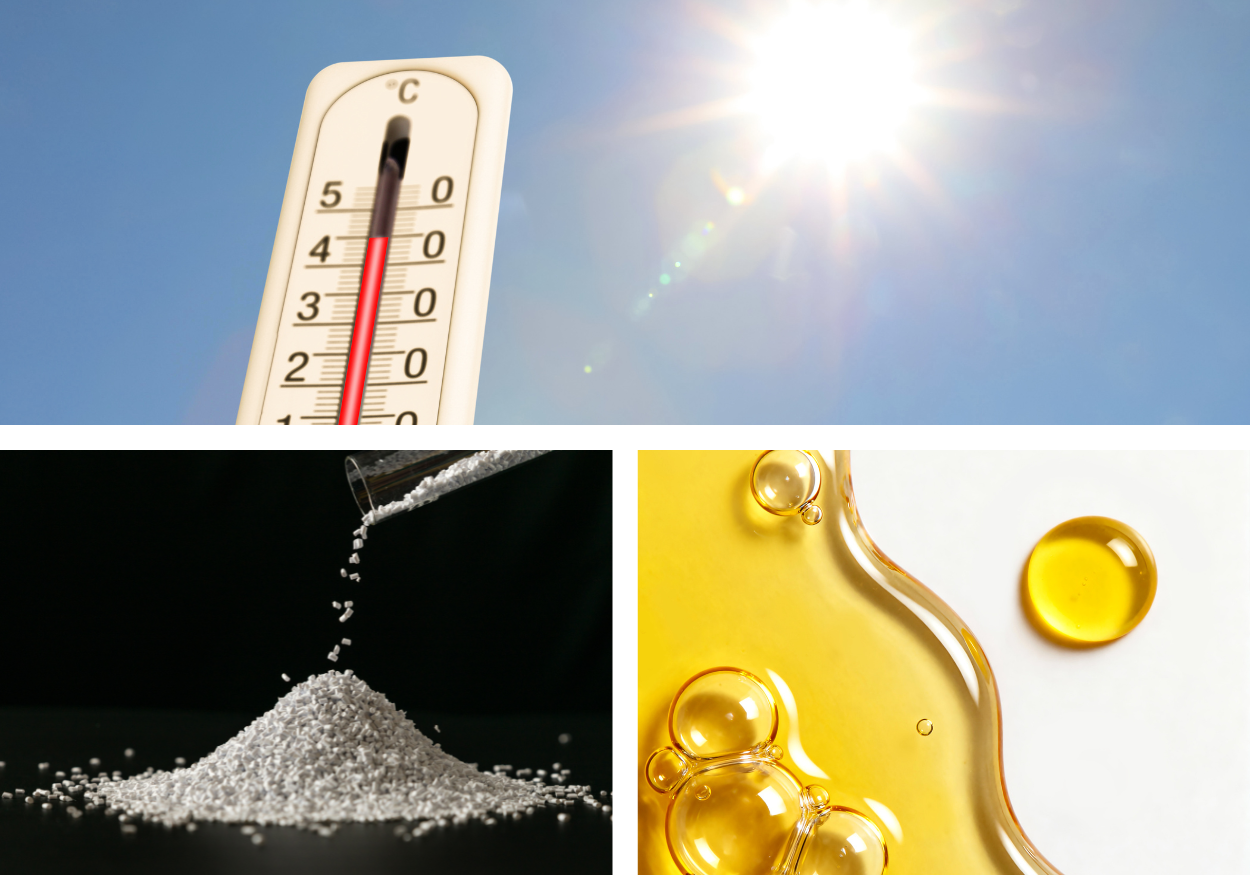
Effect of temperature
Ambient temperature determines the solvent evaporation rate. Higher temperatures accelerate evaporation. However, excessive speed may cause surface defects.
Low temperatures slow down film formation. Polymer chains may not reach sufficient mobility. The film may remain discontinuous.
The polymer’s glass transition temperature (Tg) is also critical. If ambient temperature is below Tg, chain interdiffusion is limited. The film may not achieve the desired strength.
Effect of polymer type
Polymer type determines chain mobility. Polymers with low Tg form films more easily. This is particularly important in water-based coatings.
Linear chain structures facilitate interpenetration. Bulky polymer structures hinder coalescence. This directly impacts the non-conversion film formation mechanism.
Molecular weight also influences film strength. Too low molecular weight weakens the film. Too high molecular weight reduces diffusion capability.
Effect of additives
Film-forming aids reduce the minimum film formation temperature. This supports polymer interdiffusion. Films can form under lower temperature conditions.
Plasticizers increase polymer chain mobility. Coalescence occurs more easily. Flexibility and strength improve.
However, excessive additive content may soften the film. Formulation balance is essential. Long-term performance must be considered.
COMPARISON WITH CONVERSION MECHANISMS
The non-conversion mechanism does not create chemical crosslinks. In contrast, conversion mechanisms involve curing reactions. This difference significantly affects properties.
Non-conversion systems can be redissolved. This is advantageous for repair and recycling. However, thermal resistance is usually lower.
Conversion systems form stable three-dimensional networks. The film cannot be remelted. Each mechanism has its own advantages.
APPLICATIONS OF NON-CONVERSION FILM FORMATION
The non-conversion mechanism is widely used in decorative coatings. Interior and exterior paints often rely on this process. Flexibility and ease of application are major advantages.
In the packaging industry, many coatings are based on this mechanism. Fast drying and recyclability are highly valued. Production costs are relatively low.
Thermoplastic polymer systems also use this mechanism. Materials can be reprocessed upon heating. This helps optimize product life cycles.

ADVANTAGES AND LIMITATIONS
The non-conversion mechanism offers flexibility advantages. Application and repair processes are simple. Recyclability is a major benefit.
However, thermal and chemical resistance are limited. Films may be affected by strong solvents. Proper environmental selection is necessary.
Long-term durability depends on polymer quality. Formulation and application conditions must be controlled. Balanced design ensures optimal performance.
CONCLUSION
Non-conversion film formation is a physical film-forming process. Solvent evaporation and polymer interpenetration are the core factors. No new chemical reactions occur.
Understanding this mechanism helps control coating quality. Factors such as temperature and polymer type must be optimized. This ensures reliable performance.
In many practical applications, this mechanism offers clear benefits. Flexibility and recyclability are key strengths. It represents an important direction in modern material development.
VICHEM – OFFICIAL DISTRIBUTOR OF CHEMICAL ADDITIVES FROM LEADING GLOBAL BRANDS SUCH AS COVESTRO, SINOPEC, BUHLER IN VIETNAM
Vichem is the official distributor of chemical additives from major brands such as Covestro, Sinopec, and Buhler in the Vietnamese market. We not only supply high-quality products but also provide international-standard after-sales services.
- Technical consulting: Support customers in selecting products suitable for their application.
- Color-matching tests: Vichem specialists perform matching tests to ensure results meet design standards.
- On-site application support: Assist customers during integration into production lines to ensure optimal performance.
For more information, please contact us:
📞 Hotline: 08 1790 1790
📧 Email: contact@vichem.vn
🔎 LinkedIn: Vichem JSC
🌐 Website: www.vichem.vn
📌 Facebook: Vichem JSC